How a laser turns glass into a data record
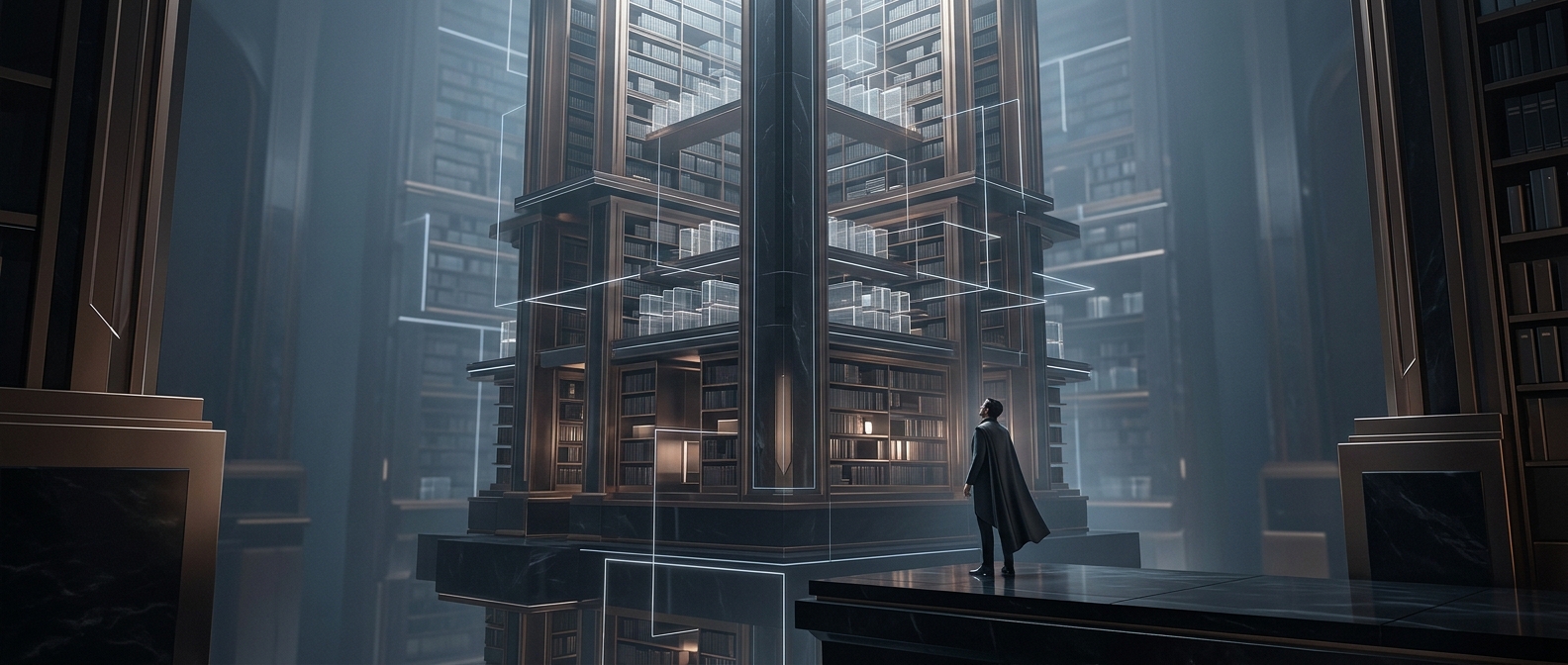
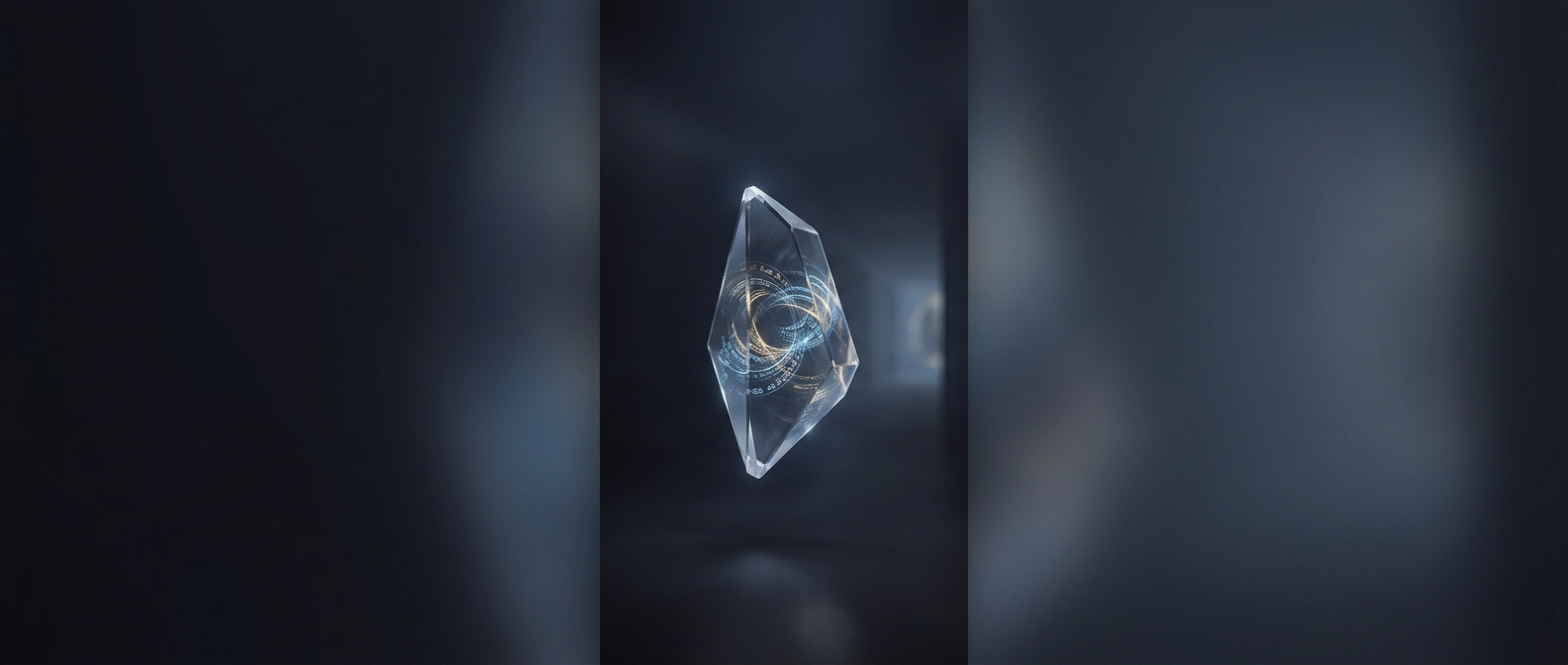
The marks are not ordinary scratches on a surface. An ultrashort laser pulse changes tiny regions inside fused silica, creating microscopic structures that alter how light passes through them. Because these structures sit at different depths and can be formed with different optical properties, information can be encoded in three dimensions rather than spread across a flat layer.
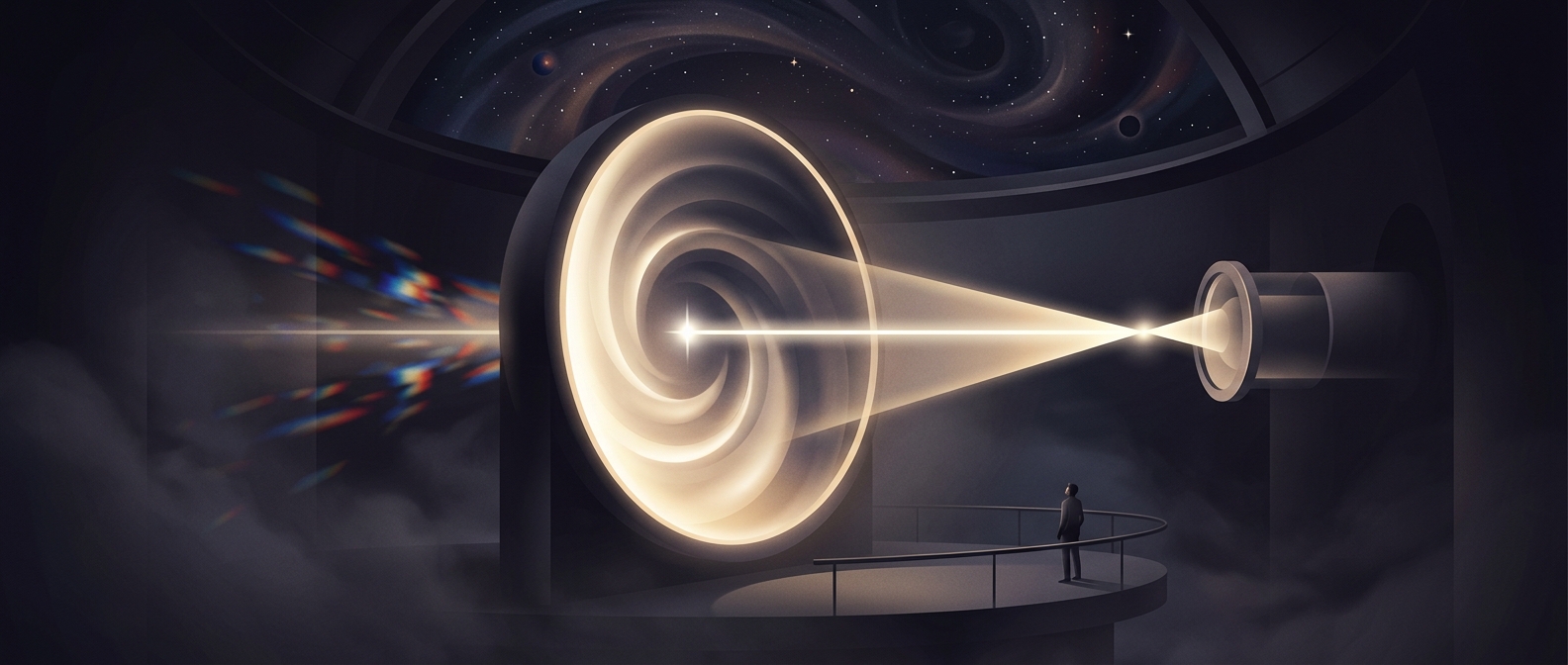
To retrieve it, a reader shines light through the glass and measures how the marked regions affect that light. Software interprets those measurements as data. The approach is sometimes called “5D” storage: the three spatial coordinates of a mark, plus optical properties used to encode additional information.
Built for archives, not everyday files
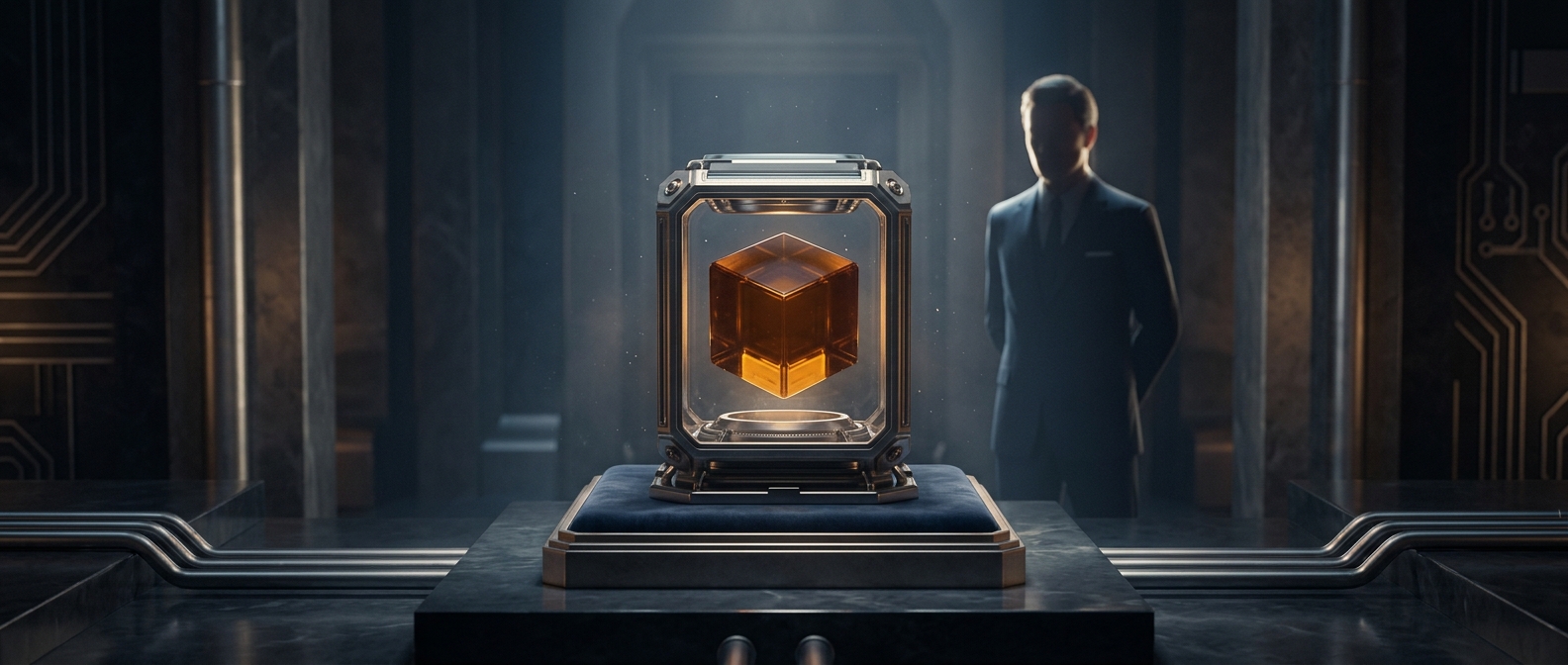
This medium’s appeal is its potential to keep information without the constant power, refreshing, or climate control that many digital storage systems require. Fused silica is a durable glass, so the record itself is less vulnerable to heat, moisture, and surface wear than many conventional storage materials.
That durability does not make the data automatically accessible. A future reader would still need suitable optics and decoding software, and writing or reading the material is not as convenient as using a standard hard drive. The practical use is therefore long-term archiving: storing records that may rarely be opened but should remain recoverable far into the future.
The million-year timescale is a projection based on the material’s resistance to degradation, not a guarantee that every recorded file will survive untouched. The striking idea is that an archive could outlast the computers that created it—provided someone in the future can still read the light patterns inside the glass.