Technology
Discover facts about technology. Small discoveries that change the way you see familiar things.
Technology

Steganography conceals secret messages in plain sight
Unlike standard encryption which scrambles a message into gibberish, steganography hides the message entirely. You could slightly alter the color pixels in a…
Discover more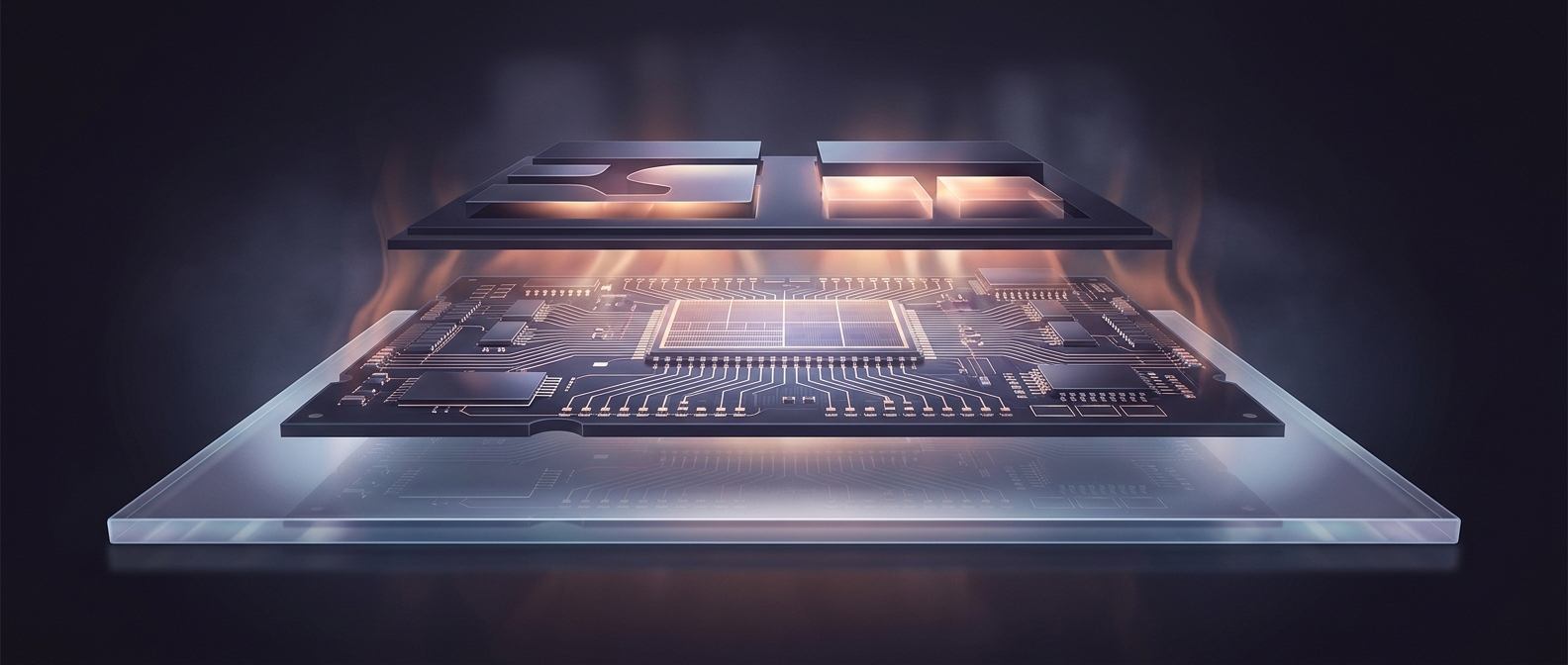
Why new chips are getting glass foundations
As chips grow more complex, the traditional organic plastic bases they sit on have started to severely buckle and warp under the extreme heat of modern…
Discover more
Why a computer can run underwater in mineral oil
Water will violently short-circuit your electronics, but totally submerging a running computer in an aquarium full of mineral oil works perfectly. Because the…
Discover more
Why computers can play chess but struggle to walk
According to Moravec's paradox, making a computer play championship chess is incredibly easy, but making a robot walk up stairs or fold a towel is insanely…
Discover more
Ball grid arrays rely on melting microscopic balls
Instead of using delicate pins, modern complex processors are attached to motherboards using hundreds of microscopic solder spheres glued to their underside.…
Discover more
When old magnetic tape turns into sticky goo
Old-school magnetic tape reels look incredibly nostalgic until they spontaneously dissolve into a horrifying adhesive mess. Known as 'sticky-shed syndrome',…
Discover more STACKY FOR IPHONE
A bigger world.
One discovery
at a time.
Keep discovering with Stacky. Interesting facts in an app that is always within reach.

Vapor chambers spread heat via micro condensation
A vapor chamber operates exactly like a standard copper heat pipe, but it is squashed completely flat. The inside is lined with a microscopic copper wick that…
Discover more
Why computer chips are hitting the size of atoms
Decades of shrinking transistors have finally run into an awkward brick wall: the literal size of an atom. Modern chip features are getting so unfathomably…
Discover more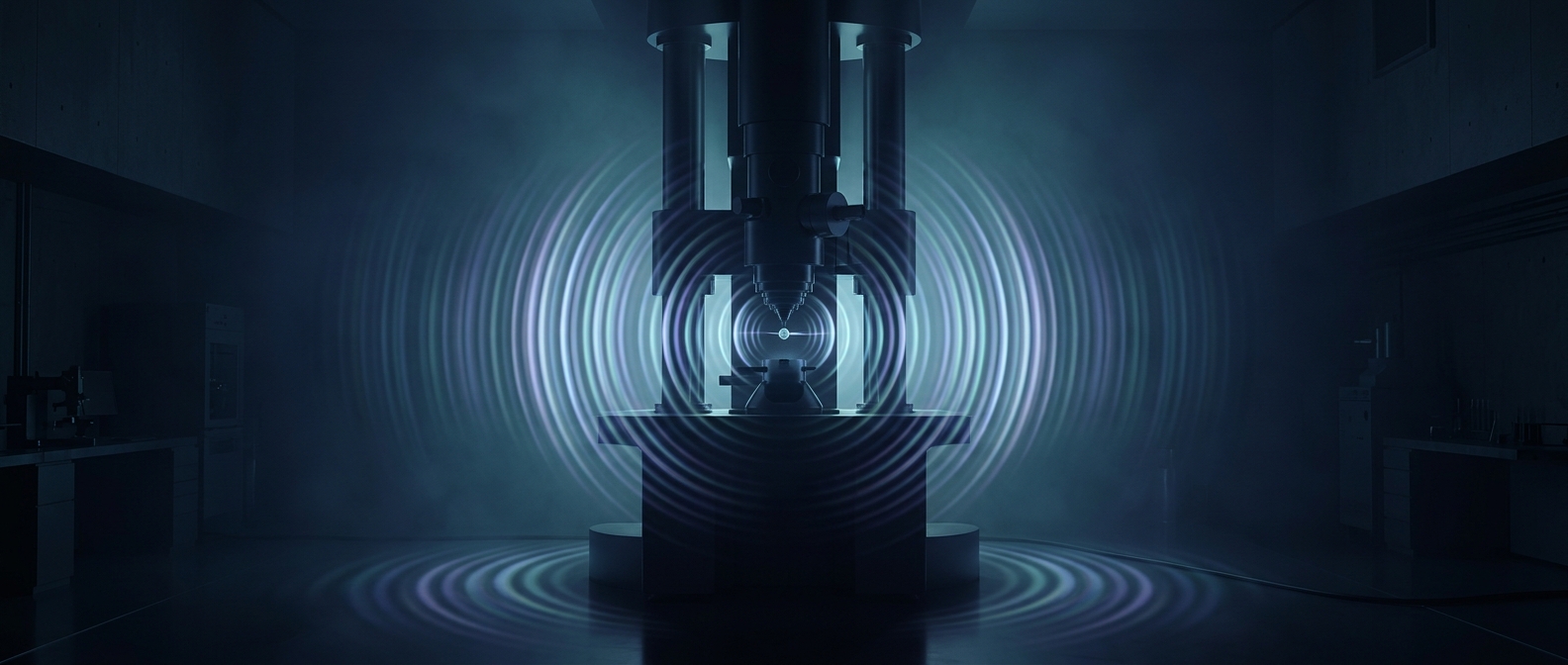
Why electron microscopes need a vibration-free room
To inspect the infinitesimally small flaws inside modern hardware, researchers blast the silicon with electron microscopes. Because these microscopes map…
Discover more
Radio waves travel at the exact same speed as visible light
Despite being used primarily to broadcast terrestrial pop music and sports commentary, radio waves are fundamentally the exact same thing as visible light,…
Discover more
Why hard drives are filled with helium
It turns out normal air is too thick and clunky for premium storage devices. High-capacity hard drives are hermetically sealed and filled with helium because…
Discover more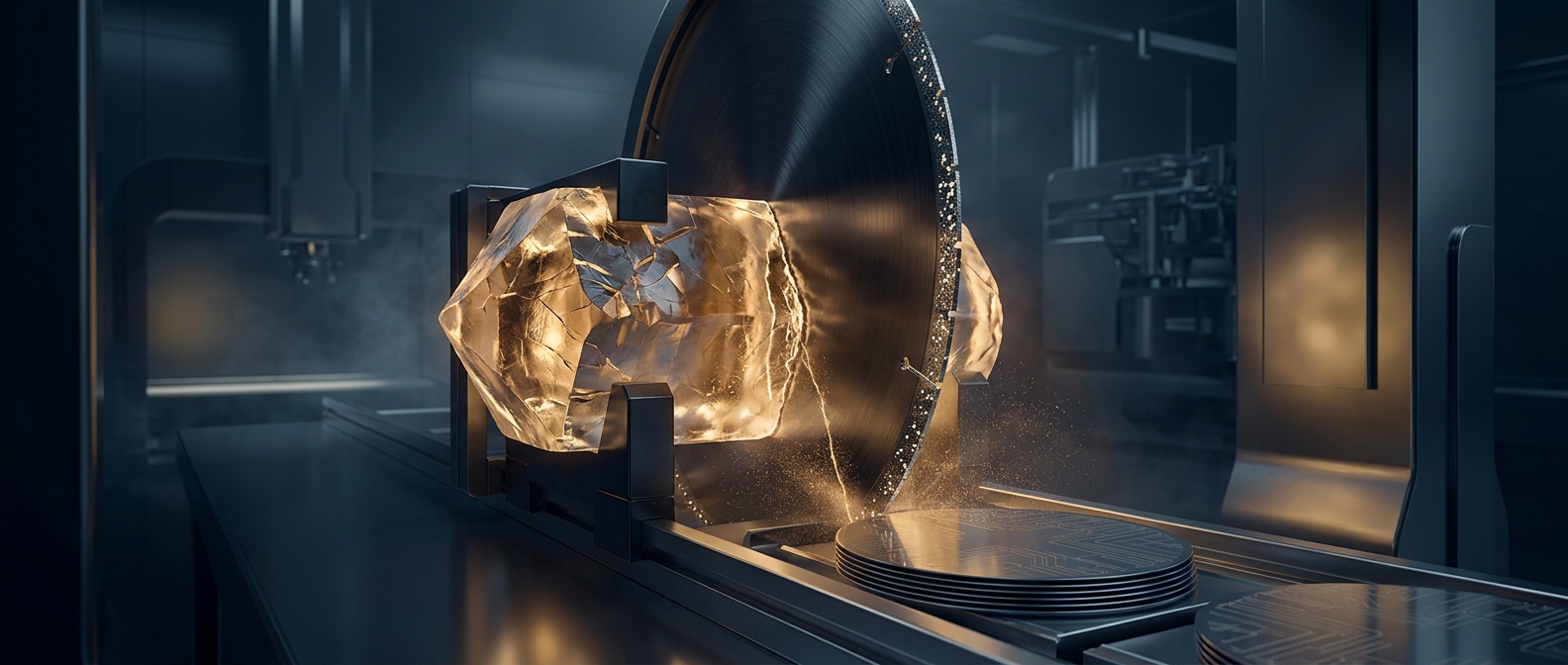
Why silicon wafers are cut with diamond
Once a perfectly pure crystal cylinder of silicon is grown, it has to be sliced into razor-thin wafers. Because silicon is incredibly hard and utterly…
Discover more
Williams tubes relied on firing electrons at glass
Another terrifying early memory solution involved shooting a beam of electrons at the face of a glass vacuum tube, creating a tiny grid of static electricity…
Discover more
Three laws of robotics are completely fictional concepts
People constantly cite Isaac Asimov's laws as if they are actual legislative bedrock for artificial intelligence. In reality, they are plot devices created by…
Discover more
Why computer connectors are gold-plated
Those shiny gold pins on your expensive computer parts are not there to flaunt wealth. Copper and silver are actually better conductors, but they eagerly…
Discover more
Mica sheets insulate high voltage without melting
In early high-power electronics, components needed to be tightly screwed to metal chassis to dump heat, but doing so would cause a catastrophic electrical…
Discover more
The unbreakable code with one impossible catch
If you use a truly random key that is as long as your message and never use it again, no amount of computing power can ever break the code. It is…
Discover more
How a microchip gets boiled in acid
If researchers want to look at the microscopic circuits hidden inside a standard black plastic microchip, they cannot just cut it open. They have to carve a…
Discover more
Magnetic bubble memory tried to ditch moving parts
In a desperate bid to replace fragile spinning hard drives, researchers created chips that formed microscopic circular magnetic bubbles in a thin metallic…
Discover more
Why your graphics card sometimes screams
That annoying, high-pitched screeching sound coming from your heavy-duty graphics card is not a failing fan. It is actually the internal copper coils inside…
Discover more
Industrial robots first started diecasting in the sixties
Long before anyone feared a highly intelligent android uprising, the very first industrial robot, Unimate, was just awkwardly moving hot metal parts in a…
Discover more
The tile that turns electricity into cold and heat
Thermoelectric coolers are magical flat ceramic tiles that, when given an electric current, force all the heat to one specific side. This makes the bottom…
Discover more
Candela measures luminous intensity based on wax candles
Despite living in an era of ultra-bright light-emitting diodes and lasers, our base unit for luminous intensity is still awkwardly tied to the brightness of a…
Discover more
Gallium arsenide moves electrons faster than silicon
Silicon gets all the fame, but gallium arsenide actually lets electrons zip through it significantly faster, making it perfect for hyper-fast radio frequency…
Discover more