Why a graphics card’s power components can make noise
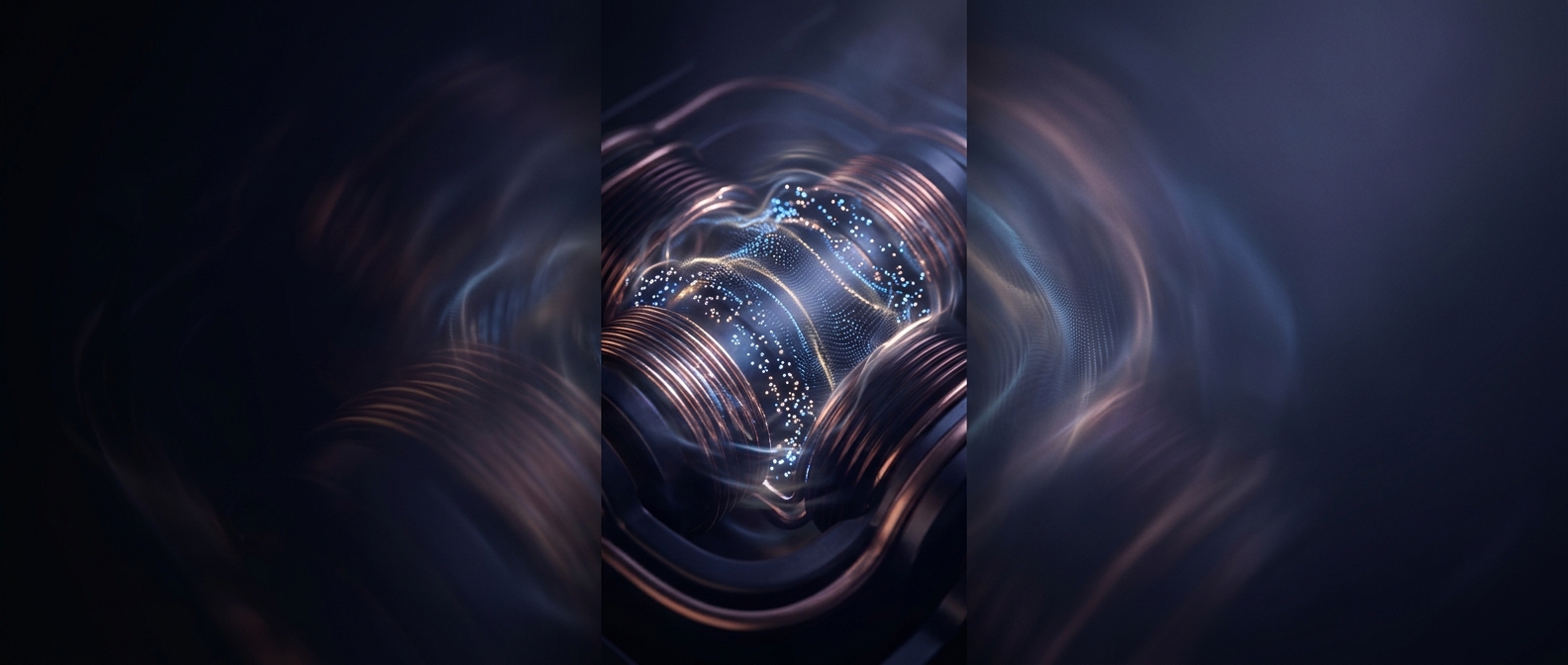
A graphics card does not draw perfectly steady power. Its power circuitry switches current rapidly to supply the GPU, and inductors—components that help smooth that current—respond to the changing magnetic field. The resulting forces can make parts of an inductor vibrate. If those vibrations fall within the range of human hearing, they can sound like a thin squeal or buzz.
Why the sound changes from one moment to the next
The pitch and loudness depend partly on how the card is being driven. A game menu running at a very high frame rate, for example, can create a different electrical workload from a demanding scene with a frame-rate limit. That can change the pattern of vibration. The inductor’s construction and the way nearby parts resonate also affect which sounds become noticeable; the card or computer case may amplify them.
This is why coil whine can appear only under certain workloads, or vary in pitch as a game changes scenes. It is a sound produced by vibration, not by air rushing past a fan, so changing fan speed may not change it.
A noise is not a diagnosis
Hearing coil whine by itself does not establish that a graphics card is failing. It does, however, help explain why two cards used in similar computers can sound different: tiny differences in components and resonance can make one card’s electrical vibration more audible than another’s.