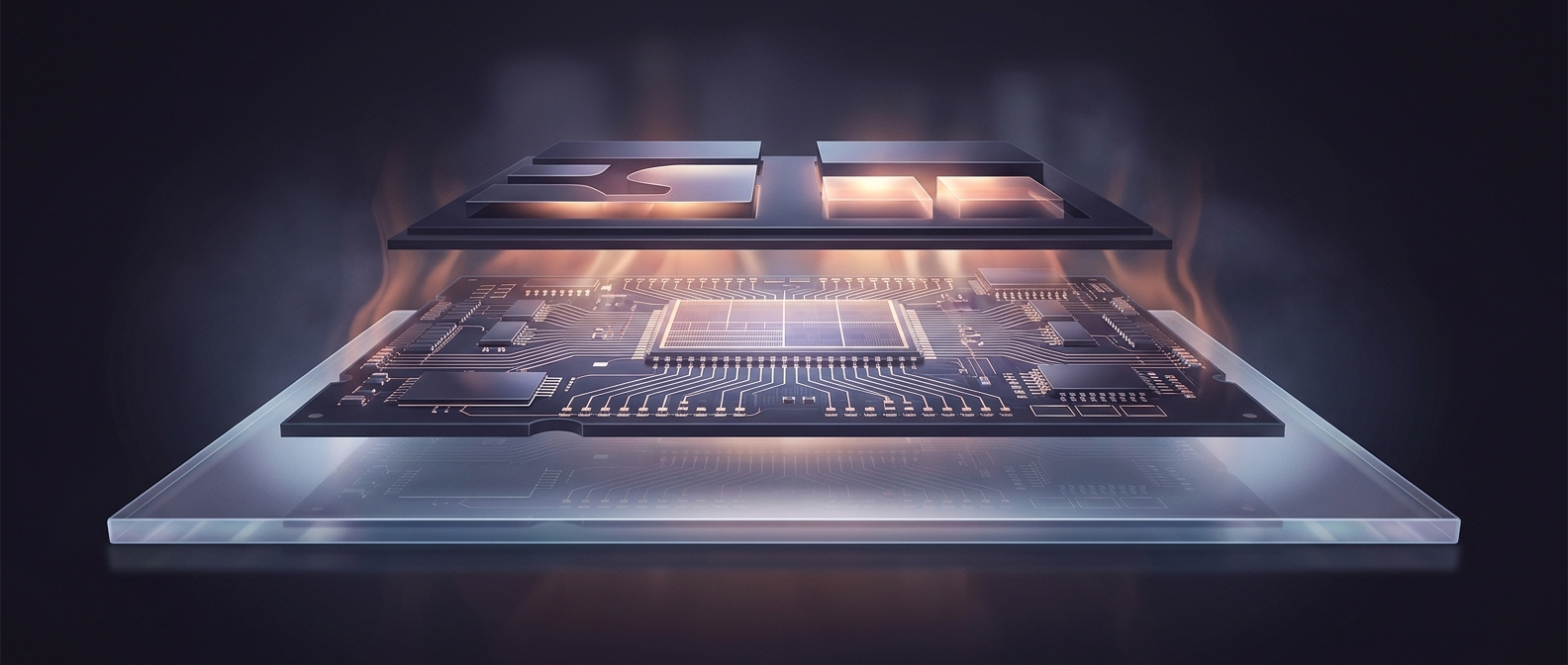
The chip’s foundation is part of the package
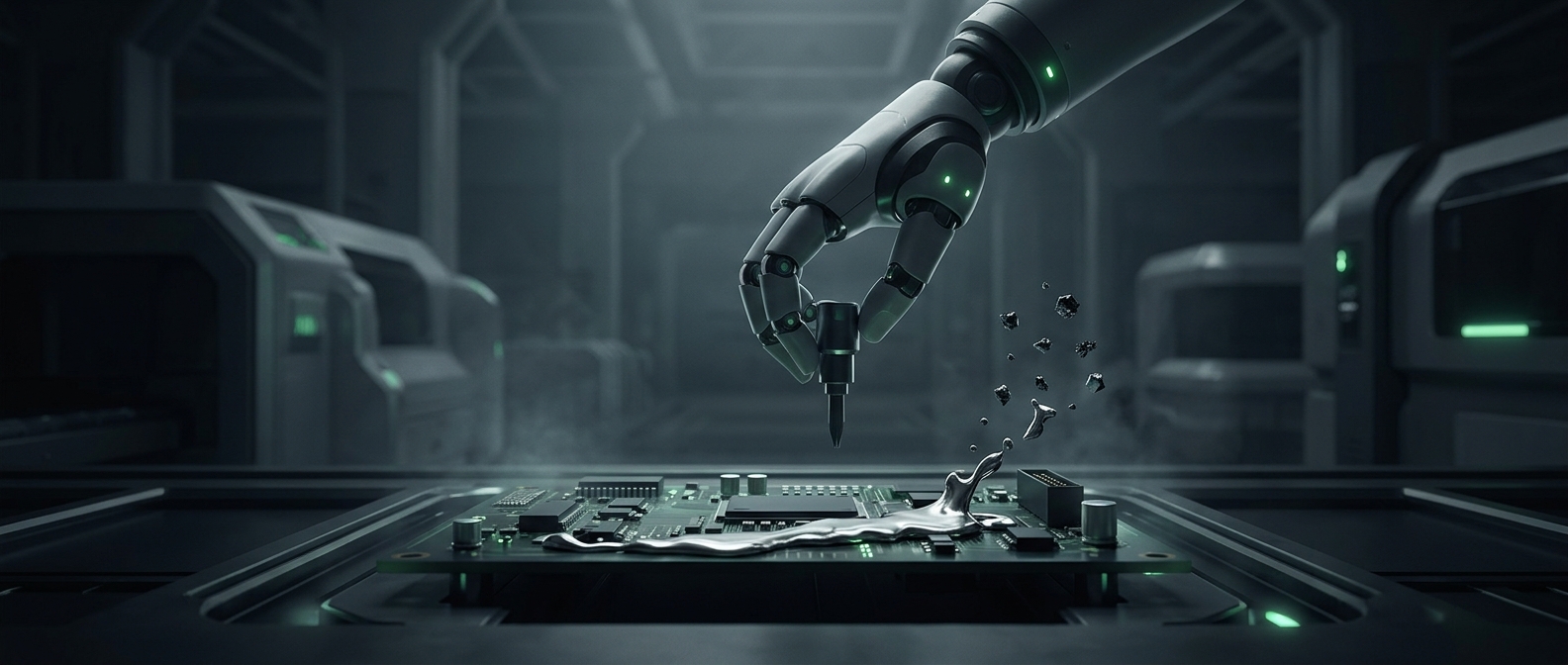
A processor does not sit directly on a circuit board. It is mounted on a package substrate: a thin, layered platform that connects the tiny contacts on the chip to the larger contacts below. As processors combine more components—sometimes several chiplets in one package—the substrate must carry more connections across a wider area.
That larger platform has to stay remarkably flat. Heat makes materials expand, and different layers can expand by different amounts. If the substrate bends or twists, the package can strain delicate connections or become harder to attach reliably to the board.
Why glass can help
Many substrates use organic, polymer-based materials. Glass expands relatively little with temperature and can be made very flat, so it offers a steadier base for fine wiring across a large package. Keeping the surface stable can make it easier to route dense connections between chiplets and reduce deformation during manufacturing and use.
The benefit is not that glass makes the processor itself run cooler. It helps manage a different problem: keeping the structure that connects the processor’s parts from shifting as the package grows and heats up.
A sturdier shape, a harder material to work with
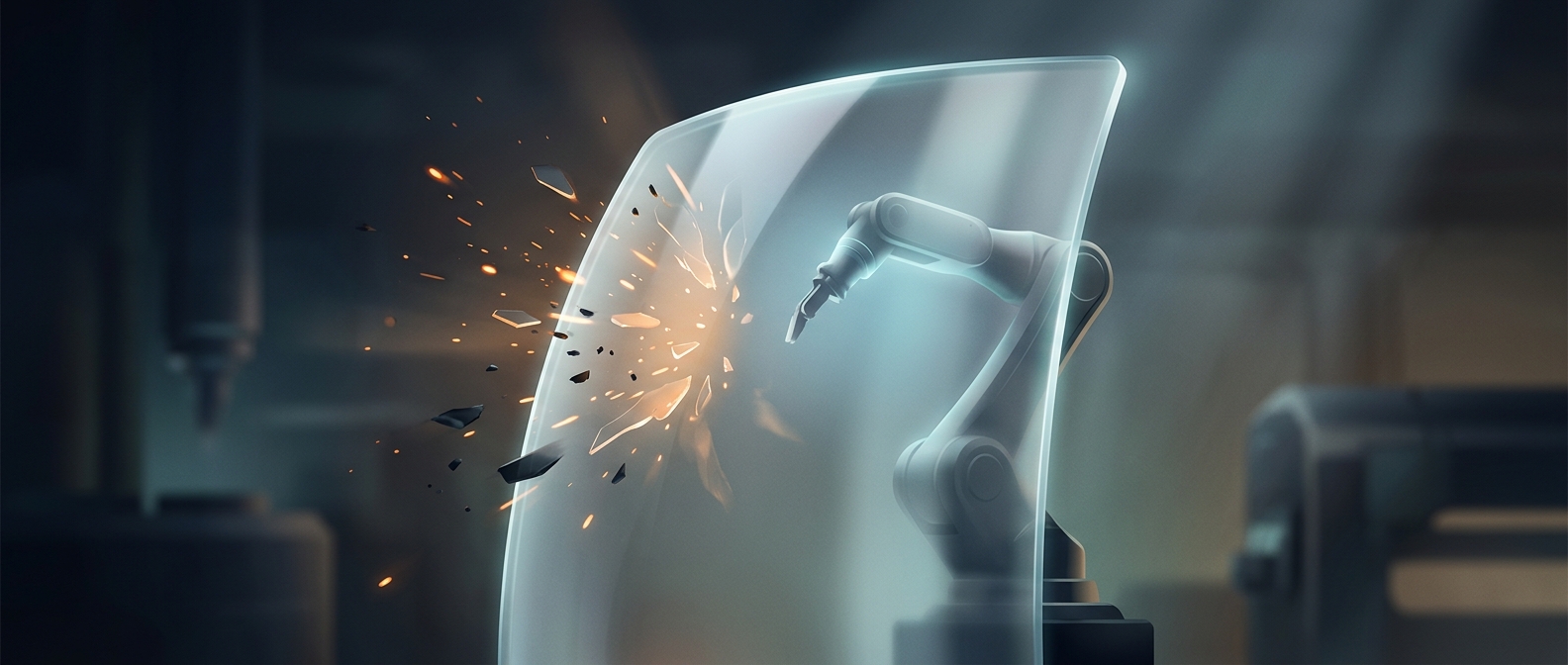
Glass brings its own engineering challenge: it is brittle. Making precise openings and forming reliable electrical connections through or across a glass substrate requires manufacturing methods suited to a material that can crack rather than flex. So the change is a tradeoff, not a simple replacement of one material with another.
As chip packages spread wider to fit more computing pieces, staying flat becomes increasingly important. A foundation that moves less can help preserve the tiny connections linking those pieces—connections that would be difficult to see, but essential for the whole processor to work.