How mica separates electricity from heat
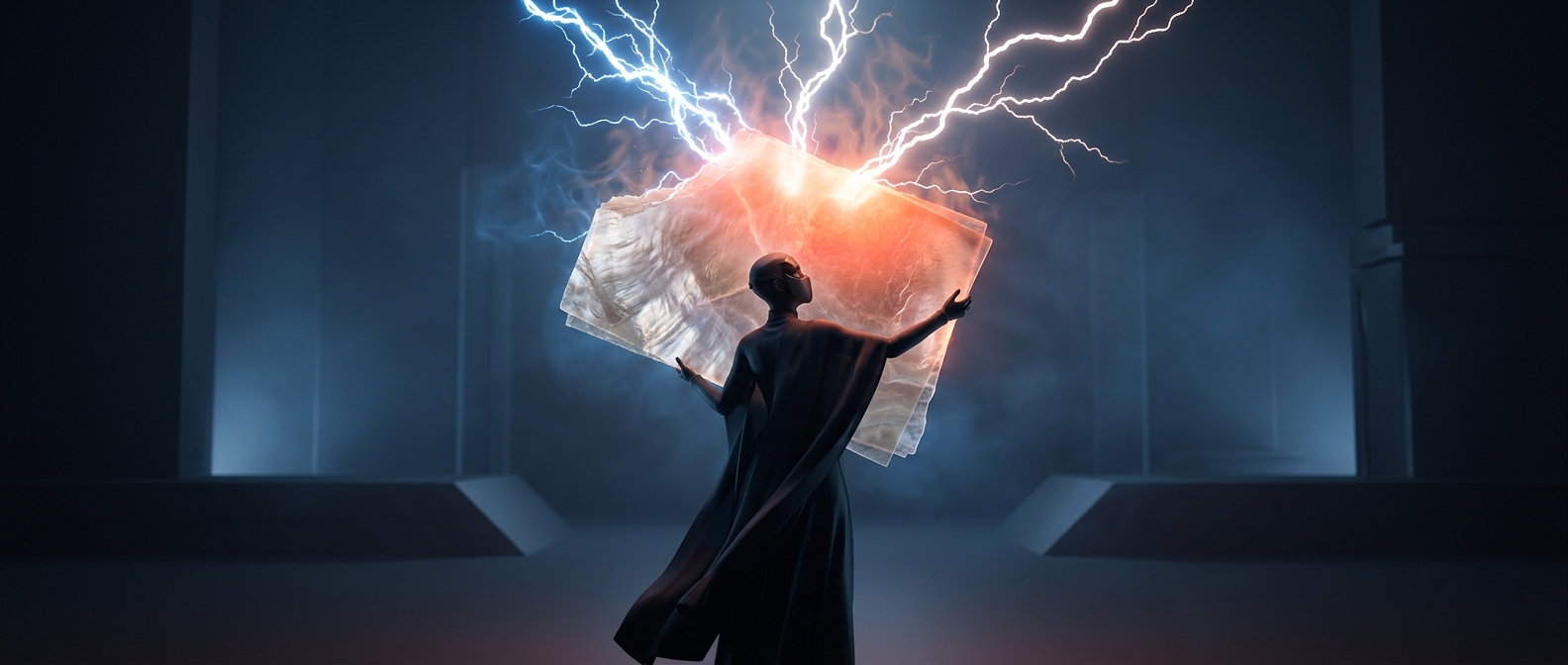
A component may need to pass heat into a metal chassis while staying electrically isolated from it. A thin mica sheet can do both: it blocks current across the gap, yet provides a path for heat to move from the component into the chassis.
Mica is a naturally layered mineral. It splits into thin, flat sheets, making it possible to place a small, even barrier between two surfaces. Its crystal structure resists electrical conduction, so the metal chassis does not simply become part of the component’s electrical circuit.
Why the sheet survives the job
Many insulating materials are polymers, which can soften or degrade when exposed to high temperatures. Mica is inorganic and can tolerate substantial heat without melting like a plastic sheet might. That combination—electrical resistance and heat tolerance—makes it useful where the insulating layer sits close to a hot component.
The sheet does not make heat disappear. Heat still has to cross the contact between the component, mica, and chassis, so a well-fitted layer matters: gaps can impede heat flow. The useful trick is that the barrier can interrupt the electrical path without forcing the heat to take the same route around it.
That is why a very thin mineral sheet can let a metal chassis act as a heat sink while remaining electrically separate from the component it cools.