How forging reshapes metal from the inside
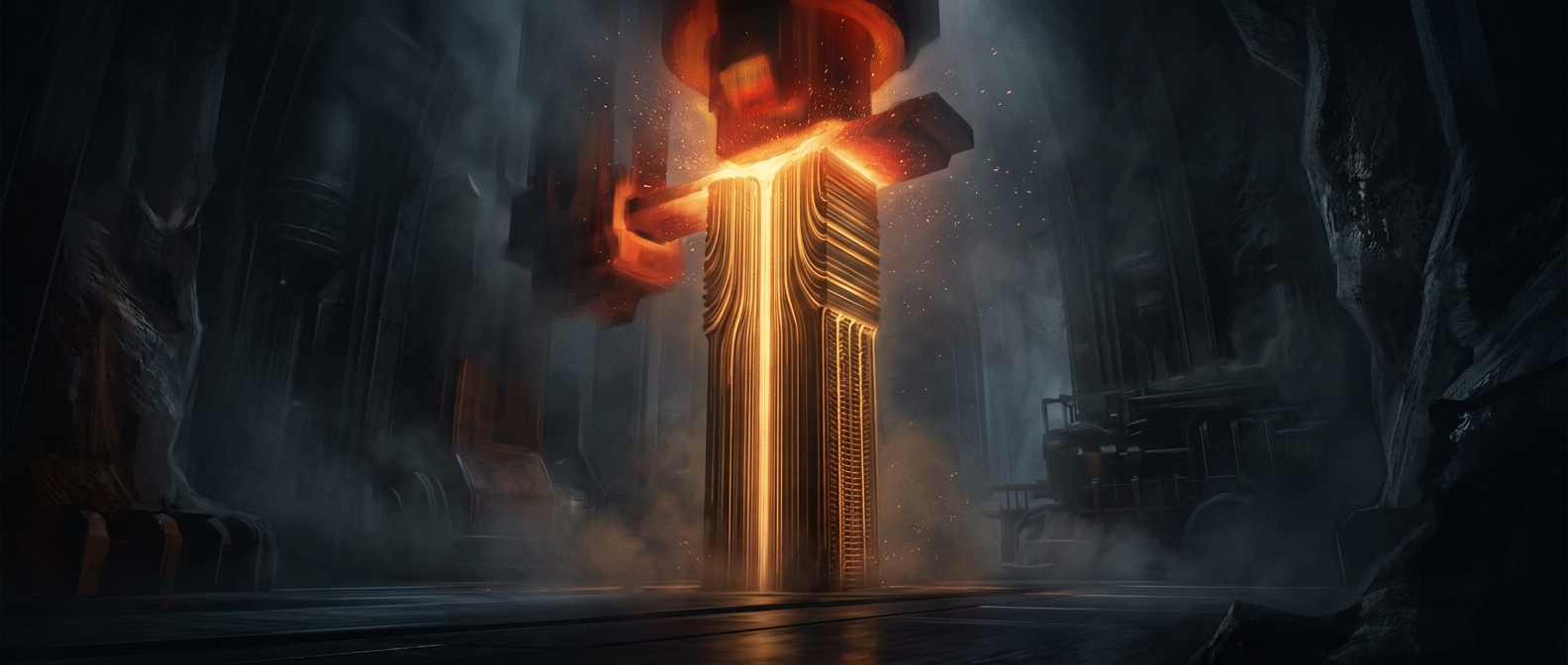
A metal part is made of tiny crystals, or grains, whose boundaries and orientations influence how the material responds to force. In forging, a workpiece is heated until it can be shaped and then squeezed or struck between tools. The metal flows under that pressure, and its grain structure changes along with its outer shape.
Why the direction of the grain matters
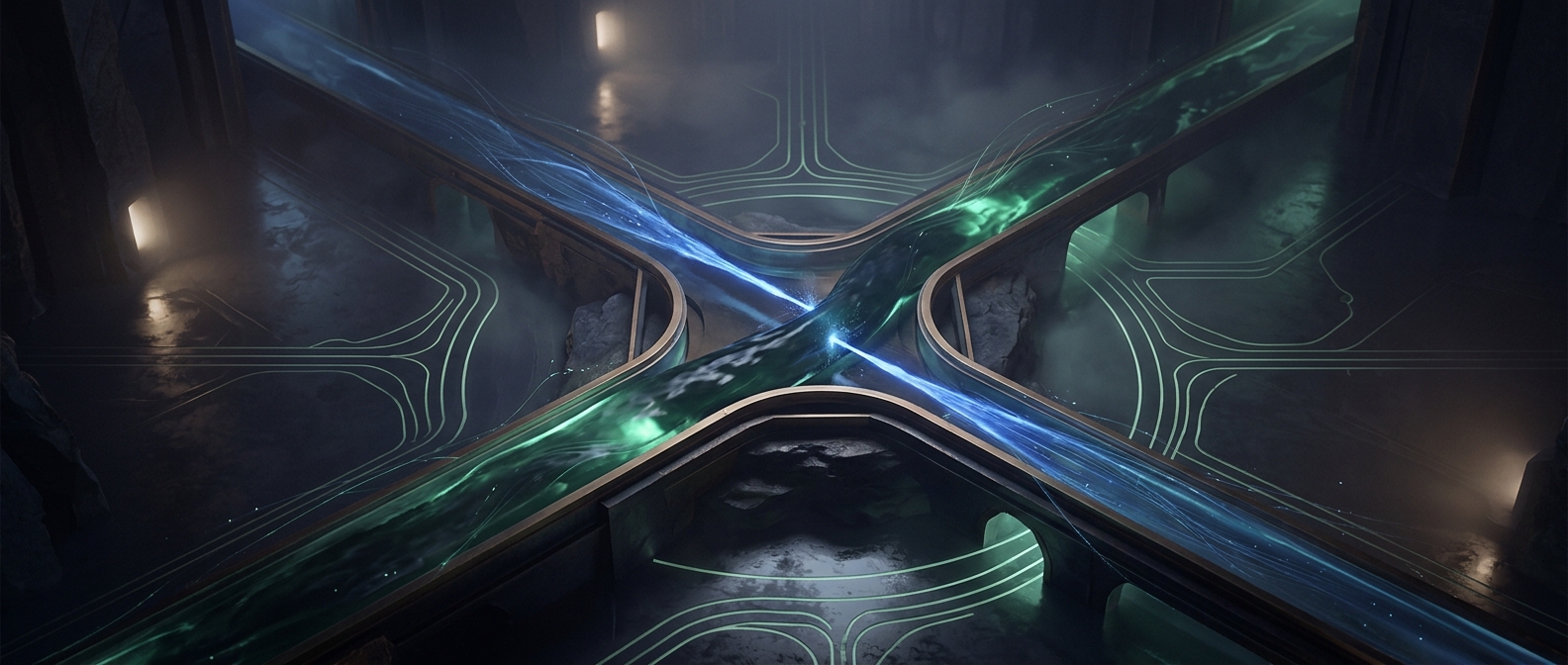
Think of the grain flow as an internal map of how the metal has been worked. When that flow follows the contours of a part, it can help the part resist loads that would otherwise pull across weaker paths. A forged component can therefore be more durable under repeated or changing stresses than a comparable cast component, in which molten metal solidifies inside a mold and the internal structure forms as it cools.
The benefit depends on the design: forging does not make every part stronger in every direction. The shape of the component, the way it will be loaded, and the forging process all matter. Engineers aim to make the internal flow suit the forces the finished part must withstand.
The tradeoff is in the shape
Because forging works by pressing solid metal into a form, it is especially useful for parts whose geometry can be produced by the tooling. Complex shapes may require several stages or additional machining, while casting can more readily fill intricate molds. The key advantage of forging is not simply that the metal is hot or compressed; it is that forming can organize its internal structure in a way that supports the finished part.