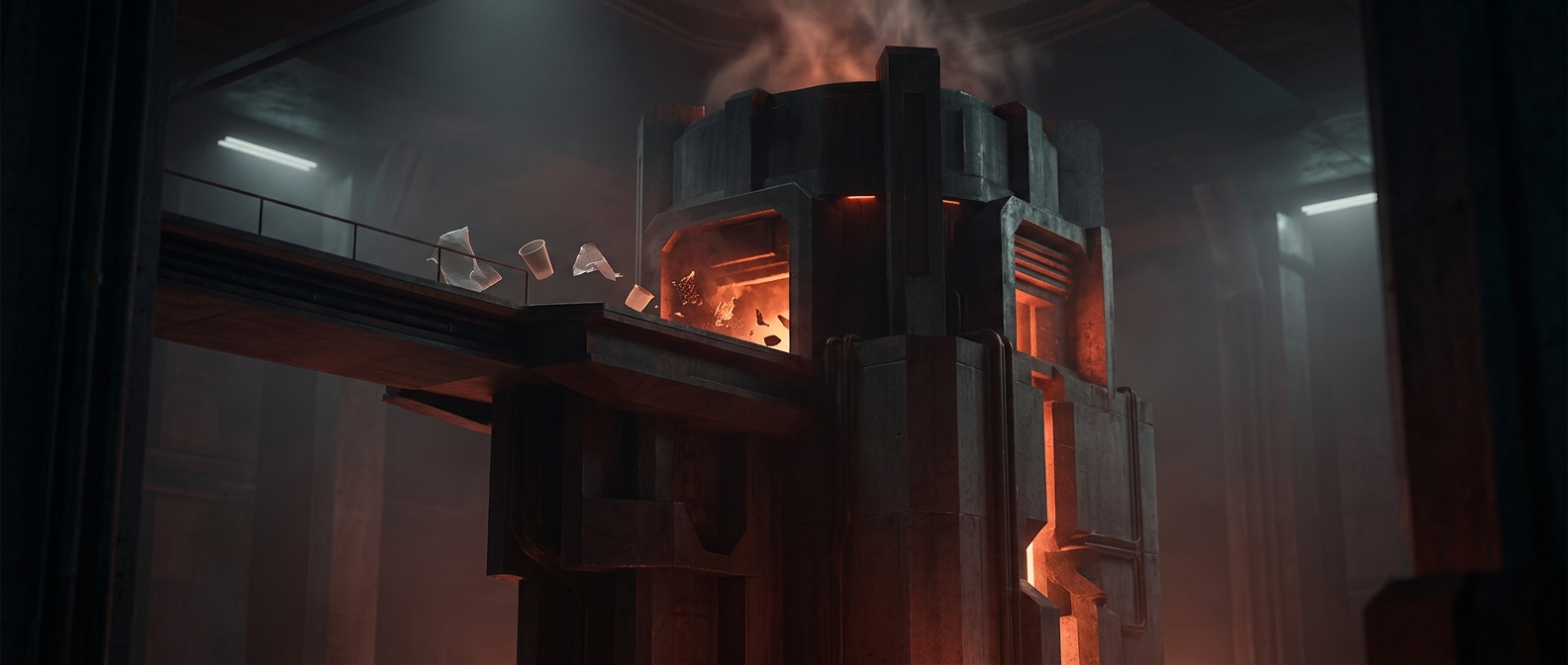
Why a plant-based cup may not break down outdoors
“Plant-based” describes where a material’s ingredients came from, not what happens to it after use. Many cups use a plant-derived plastic lining, often designed to break down under the controlled conditions of industrial composting. In a yard or roadside, the same cup may encounter neither the sustained heat nor the community of microbes needed to decompose it efficiently. It can therefore remain for years—potentially around a decade—rather than quickly returning to the soil.
Heat and microbes do the work
Industrial composting is more than a warm pile of leaves. Facilities manage temperature, moisture, airflow, and the mix of organisms in the compost. Temperatures above 130°F help create conditions in which microbes can break the cup’s material into simpler substances. Without that combination, the process slows sharply; being made from plants does not make a cup behave like a banana peel.
The bin matters as much as the label
A cup labeled compostable is useful only if it reaches a facility that can process it. Some composters accept certain cups, while others do not, so local collection rules matter. Putting a compostable cup in recycling can also cause problems if it is not compatible with the recycling stream.
The practical consequence is easy to miss: a cup’s end-of-life depends on the disposal system it was designed for. If no suitable industrial composter collects it, the label alone cannot make it disappear.