Why a Sledgehammer Hits Differently
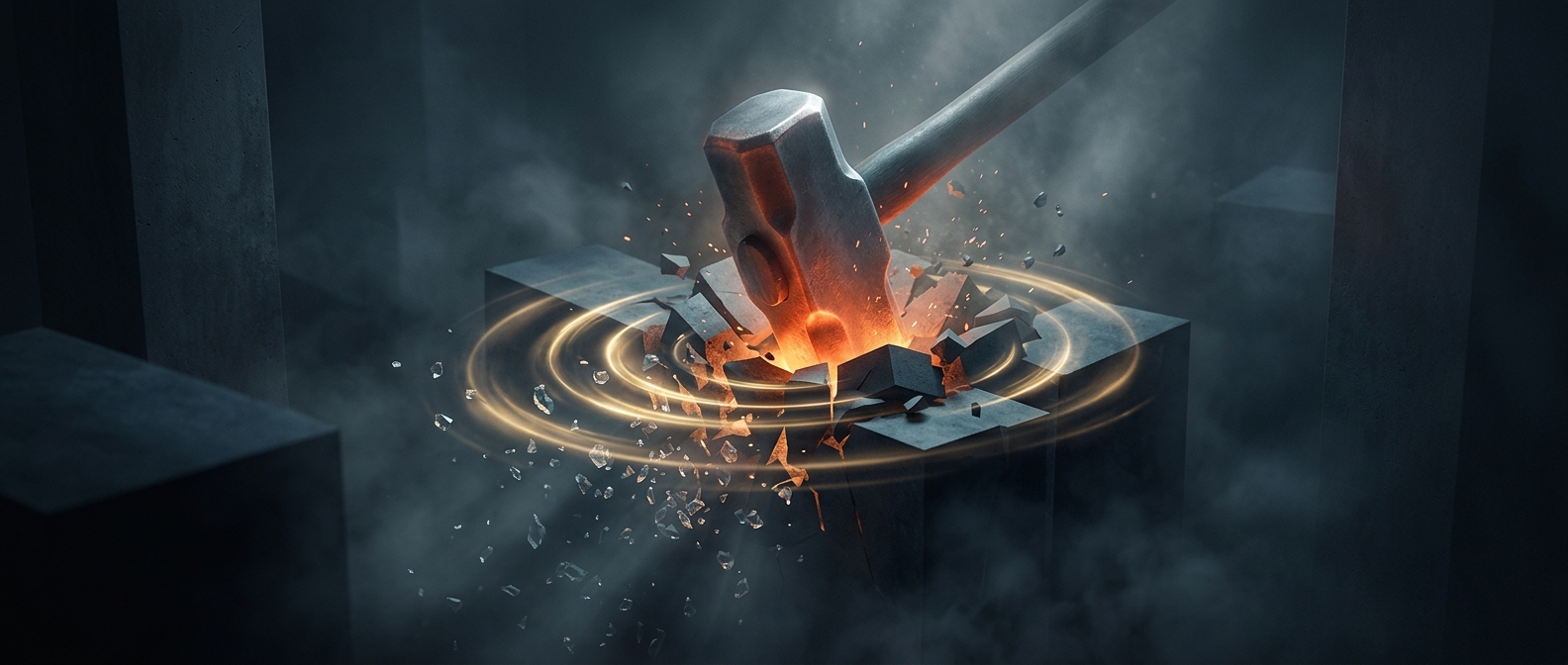
A sledgehammer’s job is to transfer a large amount of motion into a target in one blow. Its long handle lets the user build up speed through a wide swing, while its heavy head carries that motion into the impact. The result is a tool suited to breaking masonry, driving stakes, or demolishing material—not to the small, controlled taps used for ordinary fastening.
Weight, Reach, and Control
The long handle acts as a lever: it gives the hands room to accelerate the head before it reaches the target. But the same design makes the tool harder to aim precisely and tiring to use repeatedly. A sledgehammer therefore trades delicate control for force, and works best when the target can take a broad, forceful strike.
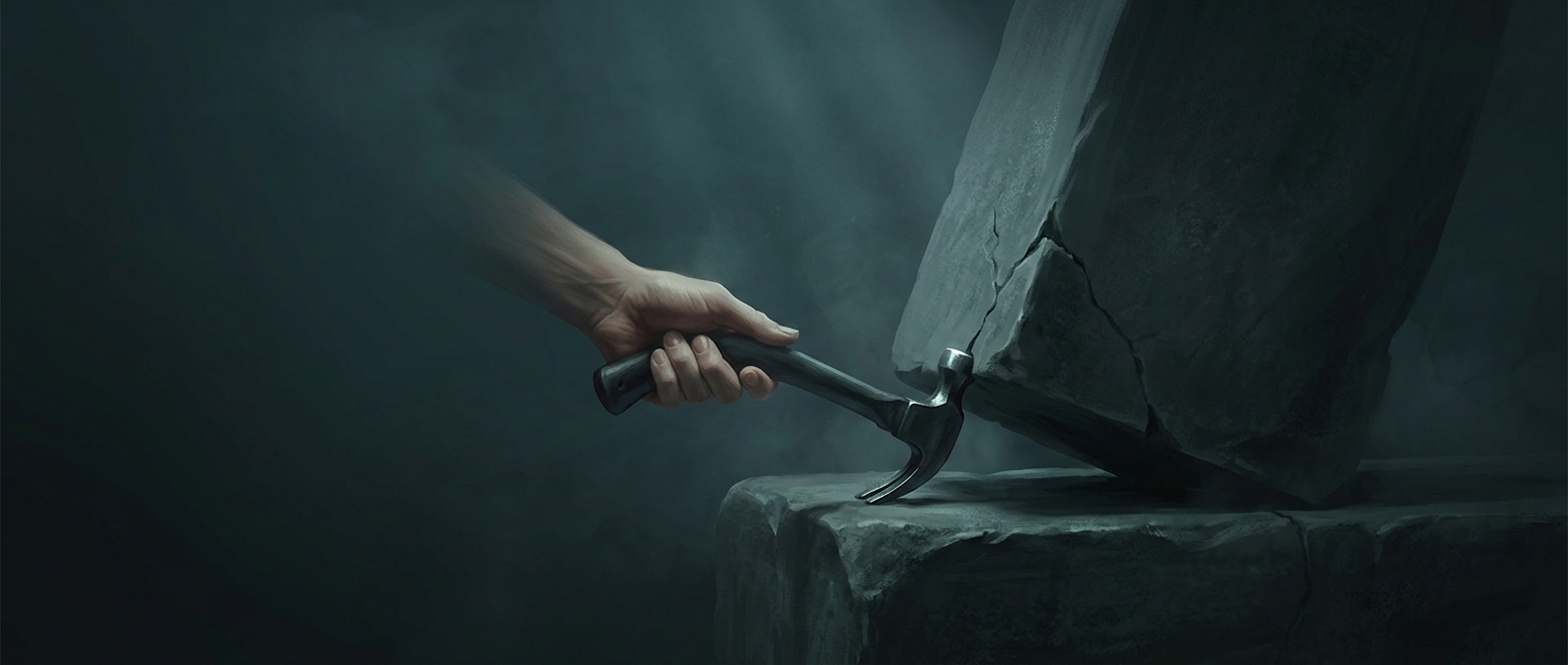
Its head is also shaped for impact rather than nail-pulling. A claw hammer has a curved claw that can hook under a nail and use leverage to draw it out. A sledgehammer typically has blunt striking faces, so its mass is delivered to the surface instead of being redirected into a pulling action.
The Tool Has to Match the Job
That difference matters in demolition: a heavy blow can crack a brittle surface, but striking the wrong place—or a material that flexes rather than breaks—may waste effort or send fragments flying. The sledgehammer’s power comes from the whole system: a heavy head, a long swing, and a target that yields under impact. It is built to break things, but not to do so with fine precision.