A Defibrillator Interrupts a Dangerous Rhythm
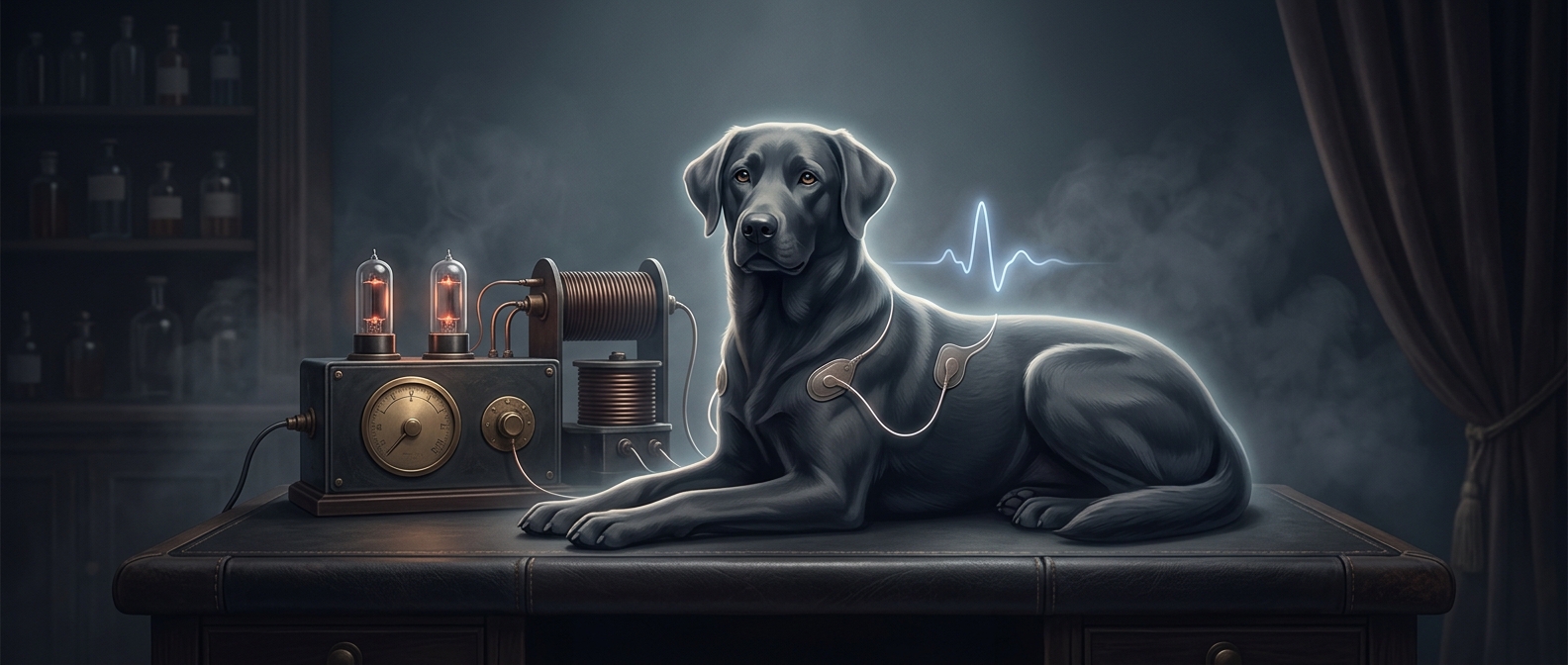
In ventricular fibrillation, the heart’s lower chambers do not squeeze in a coordinated way. Their muscle cells twitch chaotically, so little blood reaches the brain or the rest of the body. A defibrillator sends a brief electrical shock through the heart, disrupting that disorganized activity. If the heart can recover, its natural electrical pacemaker may then guide a coordinated beat.
The shock is not a motor that starts a stopped heart. It is more like a reset: it can help end certain abnormal rhythms, but it cannot make heart muscle contract when there is no usable electrical activity to interrupt.
Why a Flatline Calls for a Different Response
A true flatline, called asystole, means there is no detectable electrical rhythm for a shock to reset. Defibrillators are therefore not used to treat it; emergency care instead focuses on measures such as CPR, which circulates blood while rescuers try to address the cause.
The distinction matters because a person who collapses may need immediate resuscitation, but not every cardiac arrest has the same rhythm. A defibrillator helps only when the heart’s electrical pattern is one that a shock can interrupt.