A motor turned medical massage into an electrical appliance
Early electric vibrators emerged in the late 19th century, when electricity was beginning to move from laboratories and workshops into homes and medical offices. Their compact motors produced rapid, repetitive motion; fitted with different attachments, they could be used to massage muscles and other parts of the body. That made them part of a broader wave of electrical devices sold as tools for health and bodily comfort—not just the personal products associated with the word “vibrator” today.
What “hysteria” meant in the clinic
“Hysteria” was a broad and often gendered diagnosis applied to an assortment of women’s emotional and physical complaints. It could encompass symptoms that would now be understood in very different ways, and it reflected the limits and assumptions of medicine at the time. Some physicians used mechanical massage as a treatment for conditions they labeled hysteria, though accounts of precisely how commonly vibrators were used—and for what purpose—are debated by historians.
The devices’ early medical setting matters: their story is not simply that doctors invented a sex toy. They were among the new machines that promised to make repetitive physical treatment faster and less tiring for practitioners.
Why they arrived before vacuum cleaners
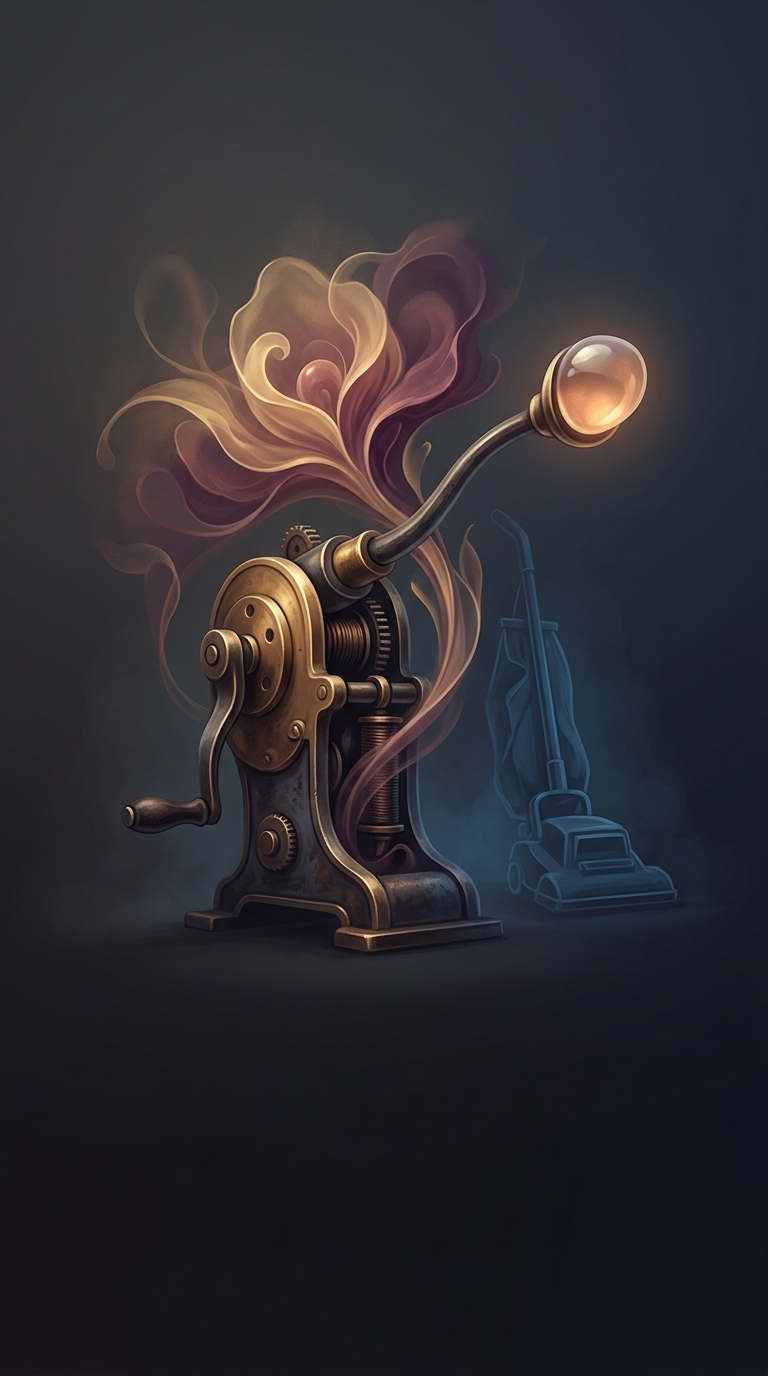
An appliance did not need to perform a difficult household chore to become useful early. A small motor could power a handheld massager, while a vacuum cleaner had to move enough air to lift dirt and carry it into a container—a more demanding engineering problem. Early electric vibrators could therefore reach the market while domestic vacuum cleaners were still developing.
That timing makes the vibrator a revealing artifact of electrification: household technology first arrived not only as labor-saving machinery, but also as a portable device for applying motion directly to the body.