How France built a nuclear-heavy grid
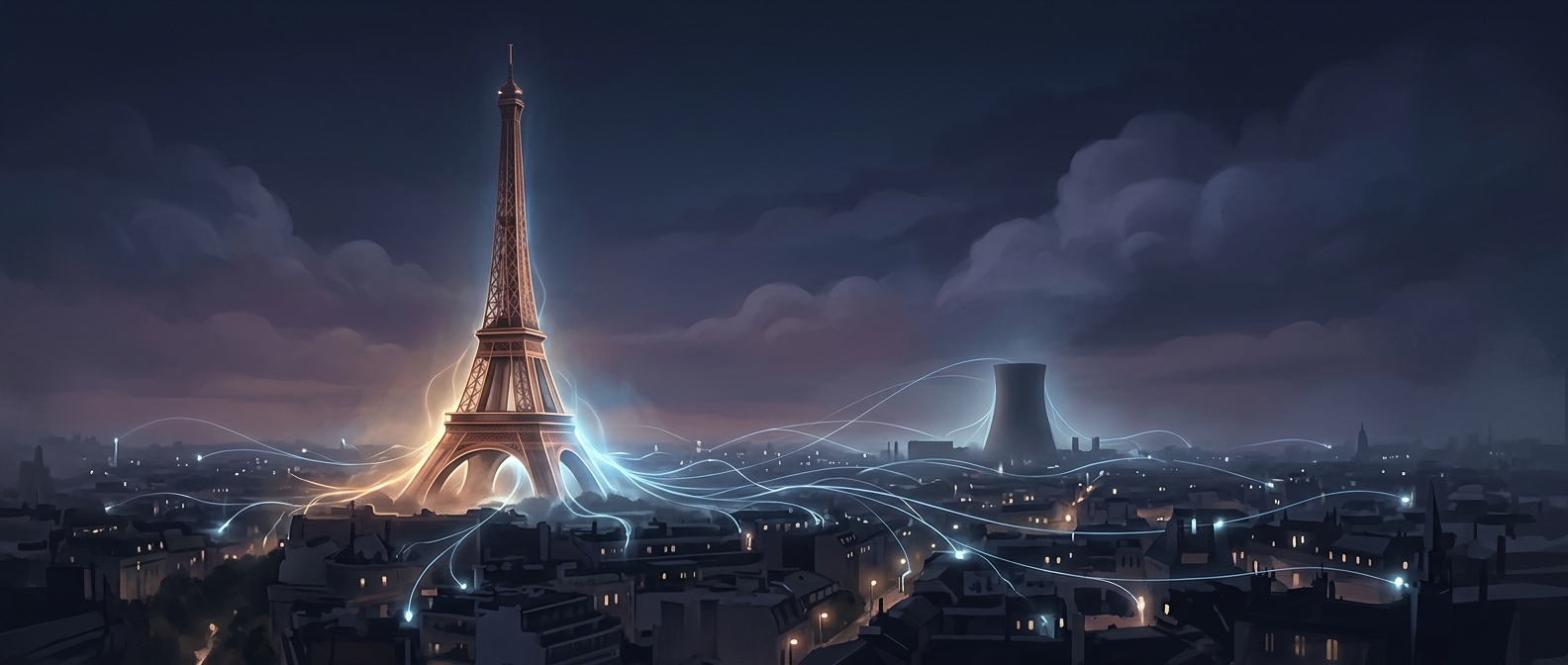
France’s reliance on nuclear power grew from a practical vulnerability: in the 1970s, oil-price shocks made imported fuel a costly and uncertain foundation for electricity. The government responded with a large, coordinated reactor-building program. Standardizing designs helped utilities and builders repeat projects rather than start from scratch each time, making nuclear power the backbone of the national grid.
From uranium to electricity
A reactor produces heat when uranium atoms split in a controlled chain reaction. That heat boils water; steam spins a turbine connected to a generator. The process resembles other steam power plants, but the reactor supplies the heat without burning coal or gas. Because reactors can run steadily for long periods, they provide a dependable supply that can be paired with more variable sources such as wind and solar.
The tradeoffs behind the share
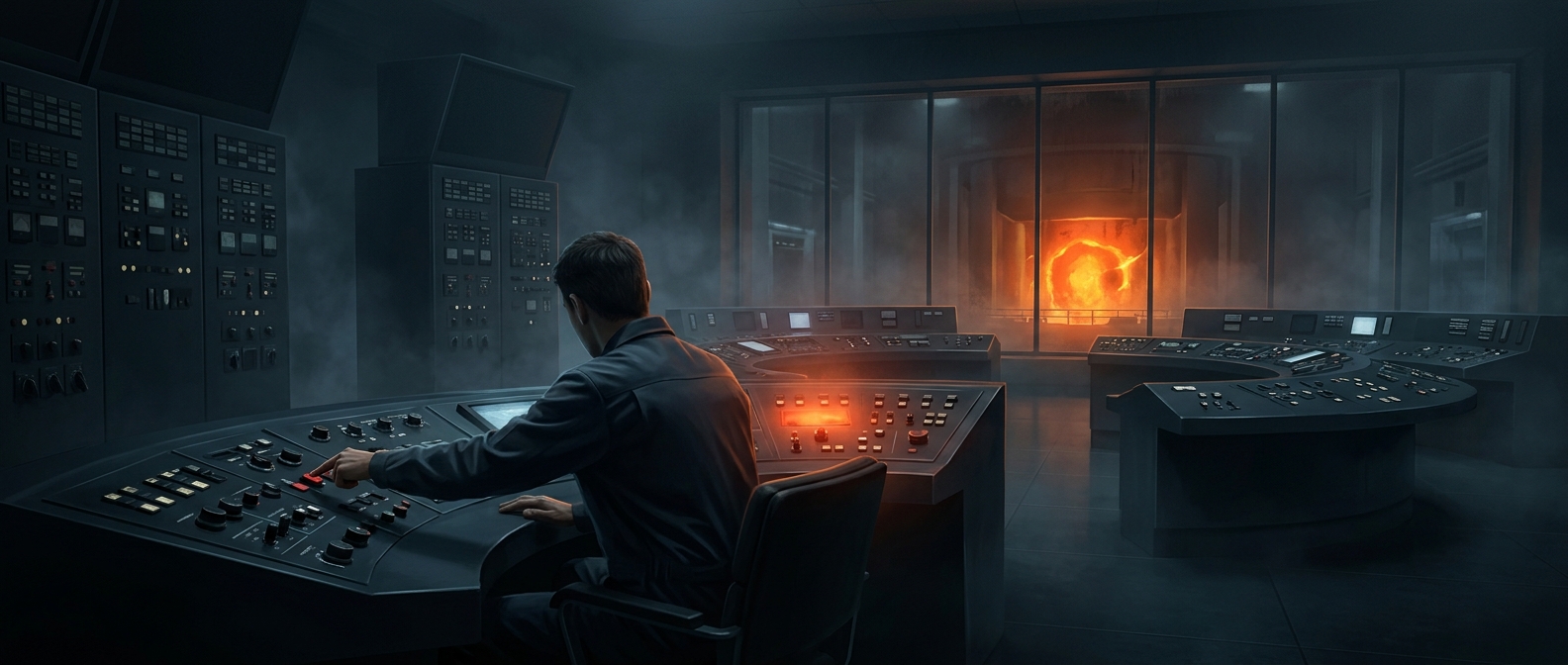
Nuclear plants require enormous upfront investment, careful safety systems, and plans for radioactive waste. They are also complex to maintain, and outages can remove large blocks of power at once. France’s system therefore depends not just on reactors, but on keeping them available and balancing their output with other generation and cross-border electricity trade.
The result is a grid shaped by a decision made decades ago: when fuel security became urgent, France invested in infrastructure that would produce electricity at home for generations. That choice reduced the role of imported fossil fuels in power generation, while leaving the country with the long-term task of operating, maintaining, and eventually replacing a large reactor fleet.