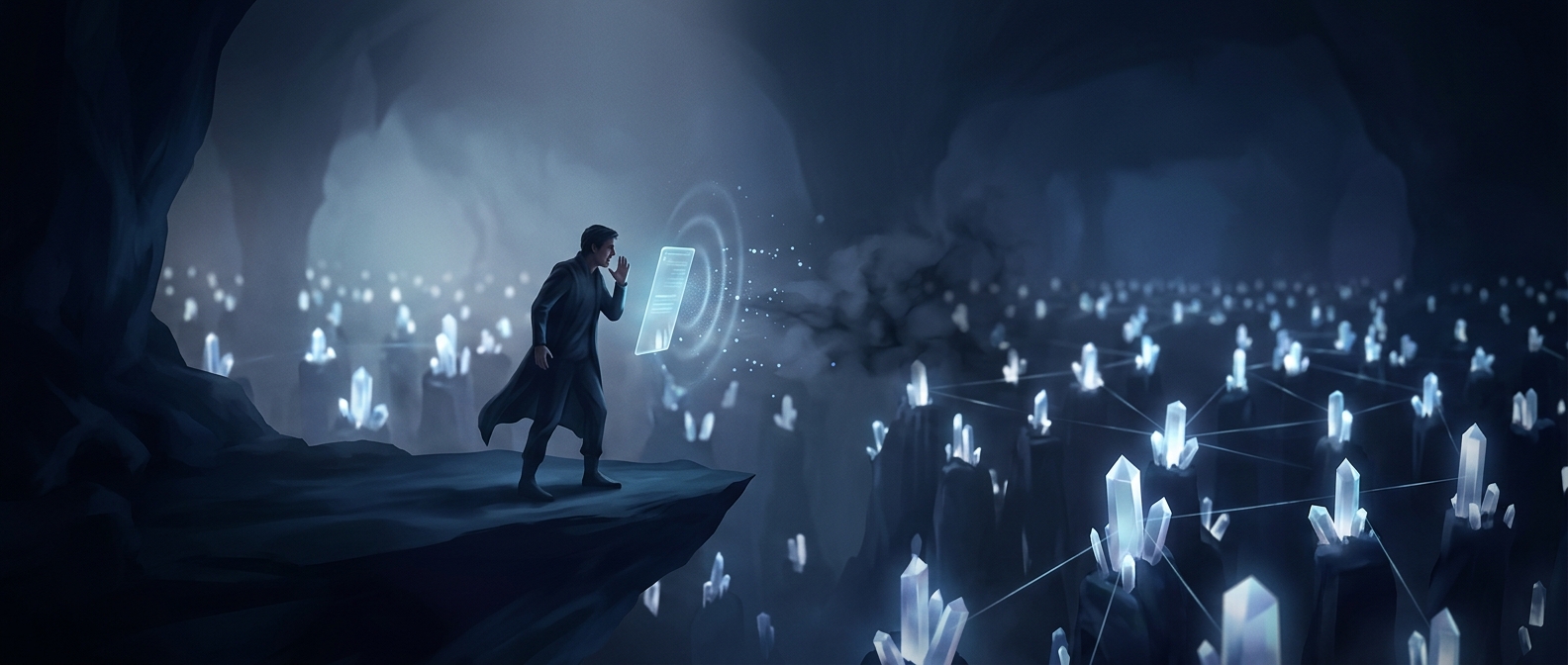
How a post can disappear without being deleted
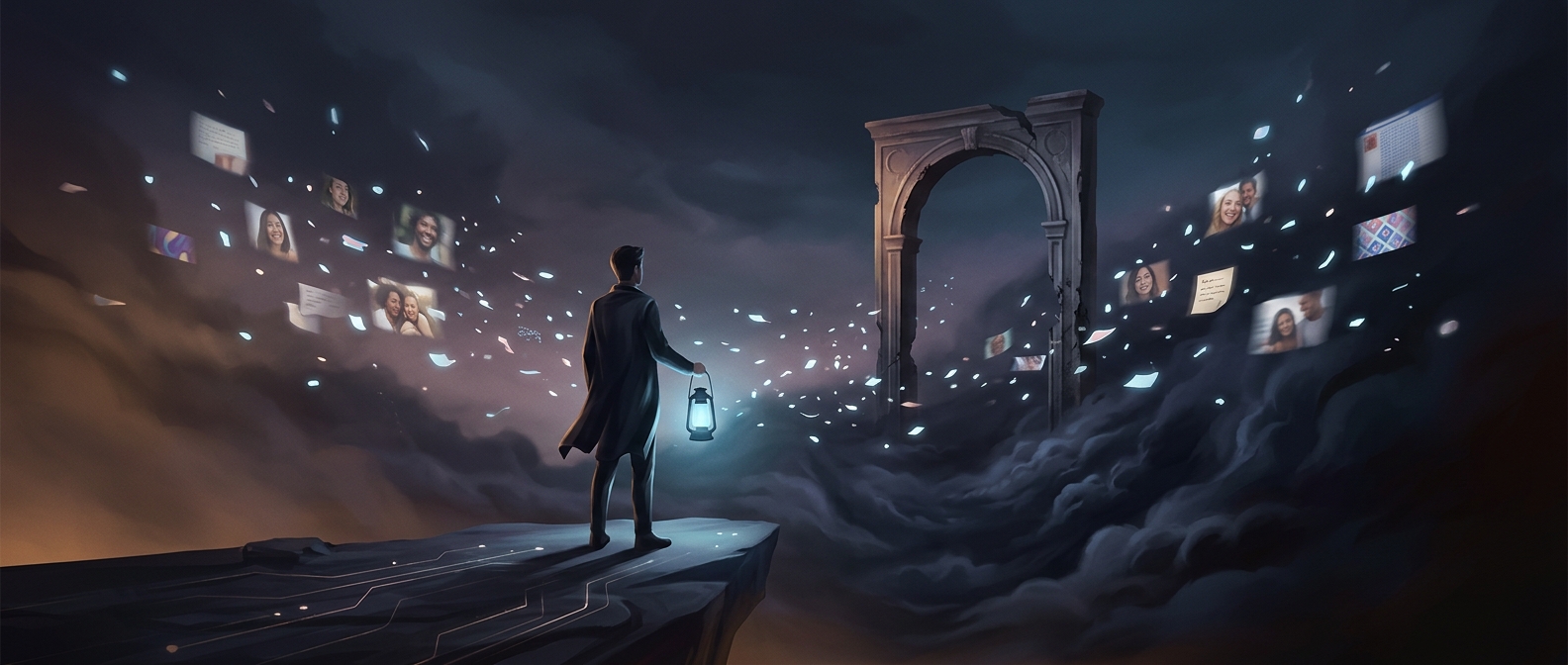
A platform does not have to remove a post to make it hard to find. It can leave the post visible to its author while limiting where it appears to other people: for example, excluding it from search, recommendations, or hashtag pages. The account still works, but its content has a smaller path to an audience.
That can happen through automated moderation and ranking systems. These systems sort enormous volumes of posts and may reduce the reach of content they flag as spammy, abusive, or otherwise unsuitable for broad distribution. The precise rules and effects vary by platform; “shadowban” is a common label for the experience, not a single standardized technical feature.
Why the silence is part of the effect
If a platform does not tell someone that distribution has been restricted, the person may interpret a sudden drop in replies or views as ordinary bad luck. They may keep posting, change their behavior, or try to diagnose the problem without knowing that visibility—not account access—is what changed.
That uncertainty can make the restriction difficult to verify. A post may still appear to its author, while another user cannot find it in a particular feed or search. But a weak response by itself does not prove that a platform has hidden the post; audience activity and recommendation systems also affect reach.
The tradeoff behind limited visibility
Reducing distribution lets a platform limit the spread of material without deleting it or suspending the account. That can be a less drastic intervention, but it also leaves users with little clarity about what happened or how to respond. The practical consequence is a mismatch: the account holder sees a functioning profile, while the audience may see far less of what it publishes.