From Physics Lessons to Player-Built Worlds
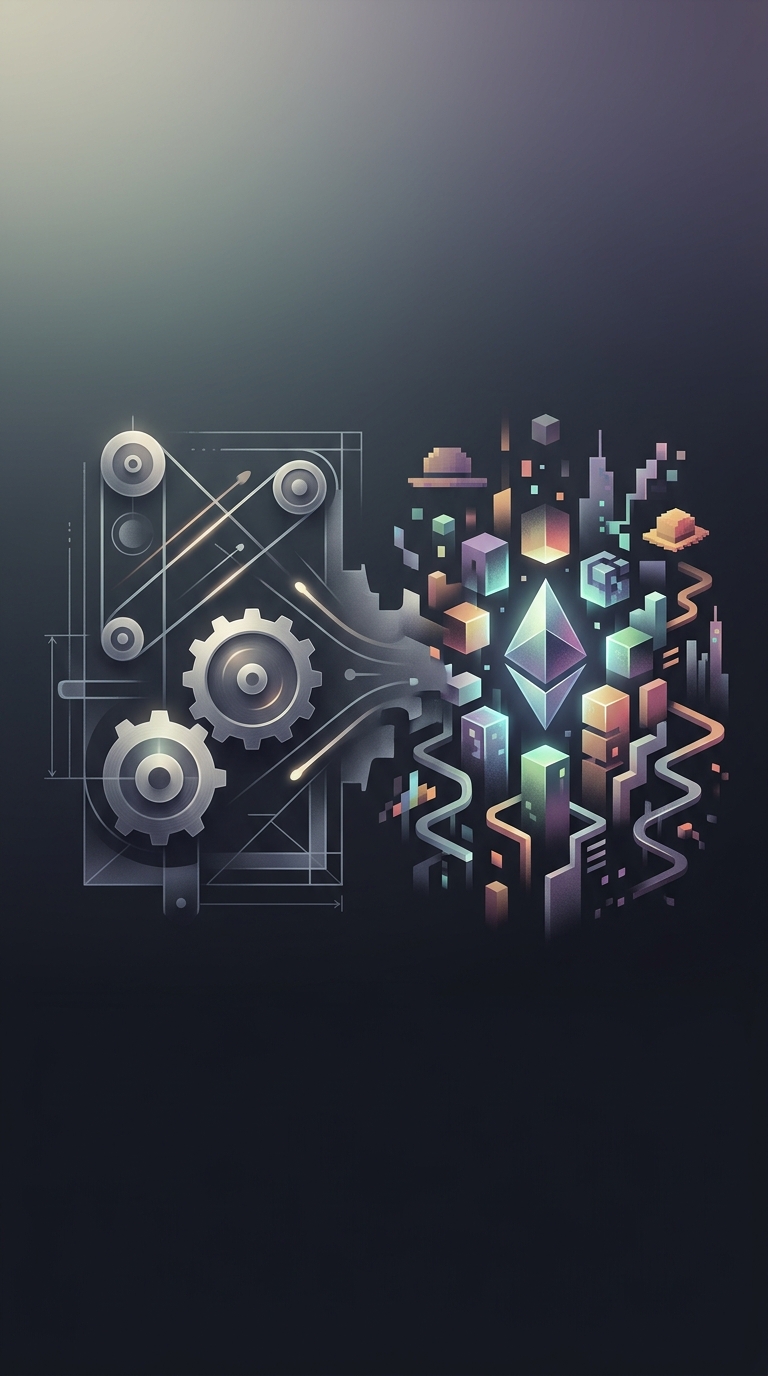
Roblox’s roots lie in a different kind of software: Interactive Physics, an educational program that let students experiment with forces and machines on a computer screen. Its creator, David Baszucki, saw how compelling it could be to manipulate objects and watch physical rules play out. That hands-on idea later informed a new project, first developed under the name DynaBlocks and eventually renamed Roblox.
The shift was more than a change of subject. A physics lesson has a defined goal; a building platform gives users the tools and lets them decide what to make. Roblox’s virtual objects could obey simulated physical rules, but players were not limited to demonstrating gravity or pulleys. They could assemble structures, invent games, and test what happened when their creations collided.
When the Sandbox Became the Point
That open-ended design changed what users did with the technology. A blocky vehicle crashing into another might look like chaos, but it is also a simple experiment: build something, set it moving, and see how the world responds. The same tools that could illustrate a mechanical principle could support a race, an obstacle course, or an improvised spectacle.
A sandbox is a digital environment where people can build and experiment rather than follow one fixed sequence of tasks. Roblox’s development moved toward that model because the appeal was no longer just the physics being taught; it was the variety of things users could create with those physics-based building blocks. The platform’s name and purpose changed, but the core loop remained recognizable: make something, set it in motion, and invite others to try it.
That transformation helps explain why Roblox became a platform for user-made experiences rather than a single educational simulator. The original educational impulse supplied a useful starting point; giving users room to play turned the tools into a world-building system.