Why low-frequency sound was hard to weaponize
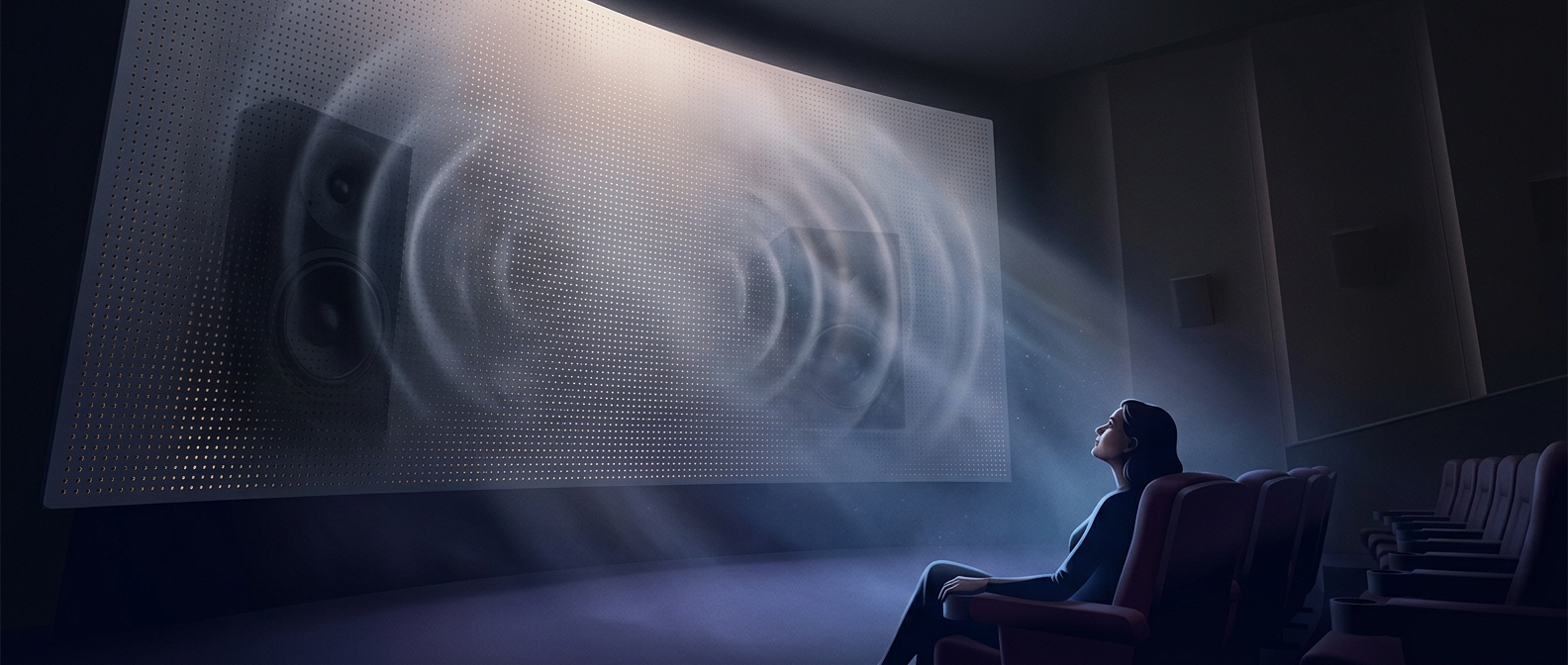
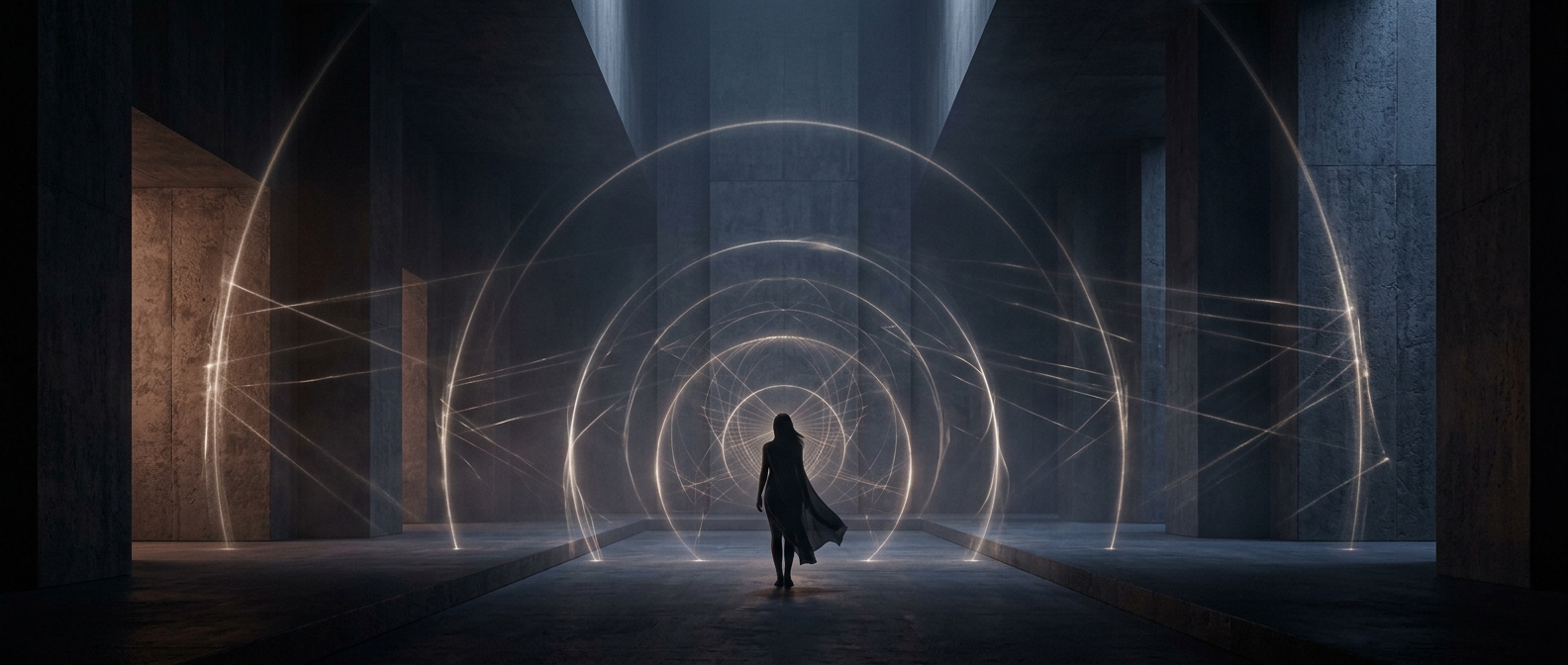
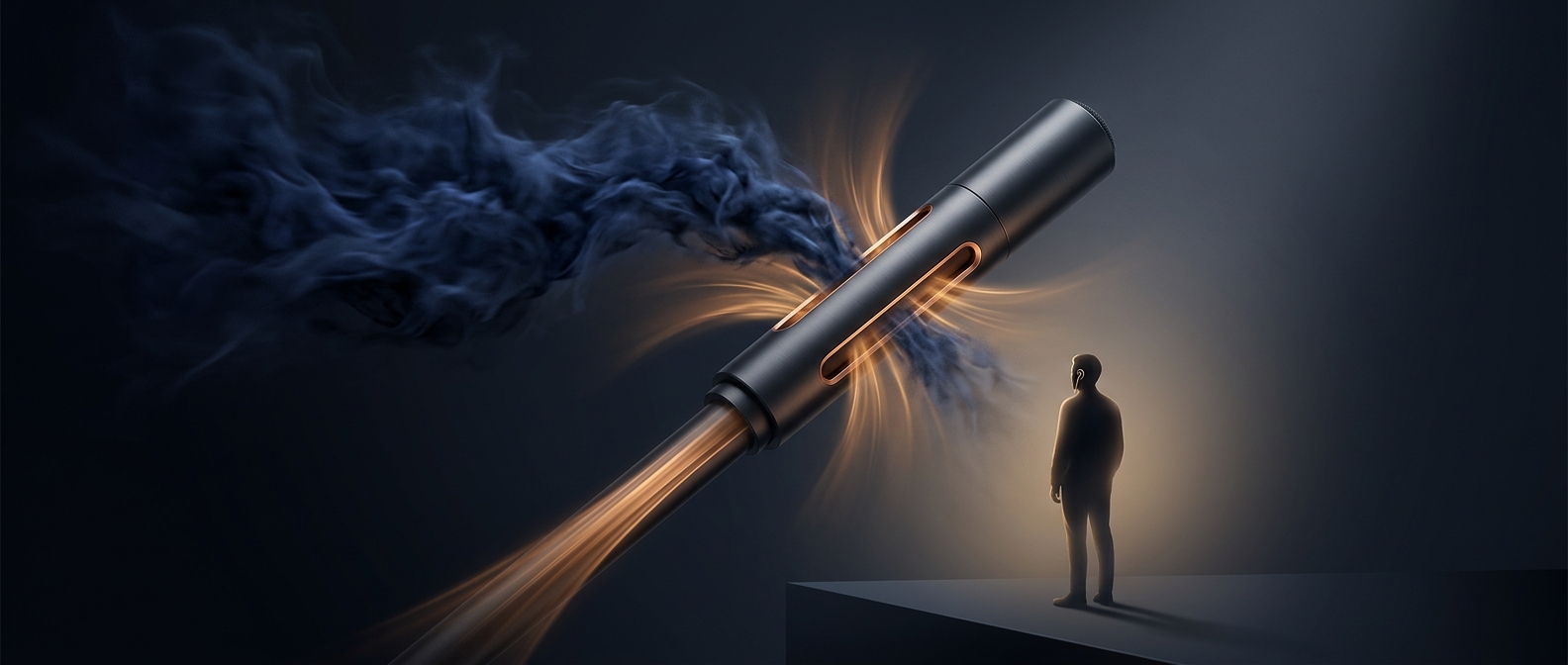
Low-frequency sound has a long wavelength: the lower the pitch, the farther apart the wave’s peaks are. That matters because a source cannot easily focus a wave into a narrow beam when the wave is much longer than the device producing it. Instead of striking one person, the sound tends to spread through a room or around obstacles.
That made the proposed weapon difficult to use like a spotlight. A device might fill an area with vibration, but it could not reliably direct a precise dose at a chosen target while sparing nearby people. Walls, room dimensions, and the placement of the sound source could also change how the waves behaved.
From a physical effect to a practical weapon
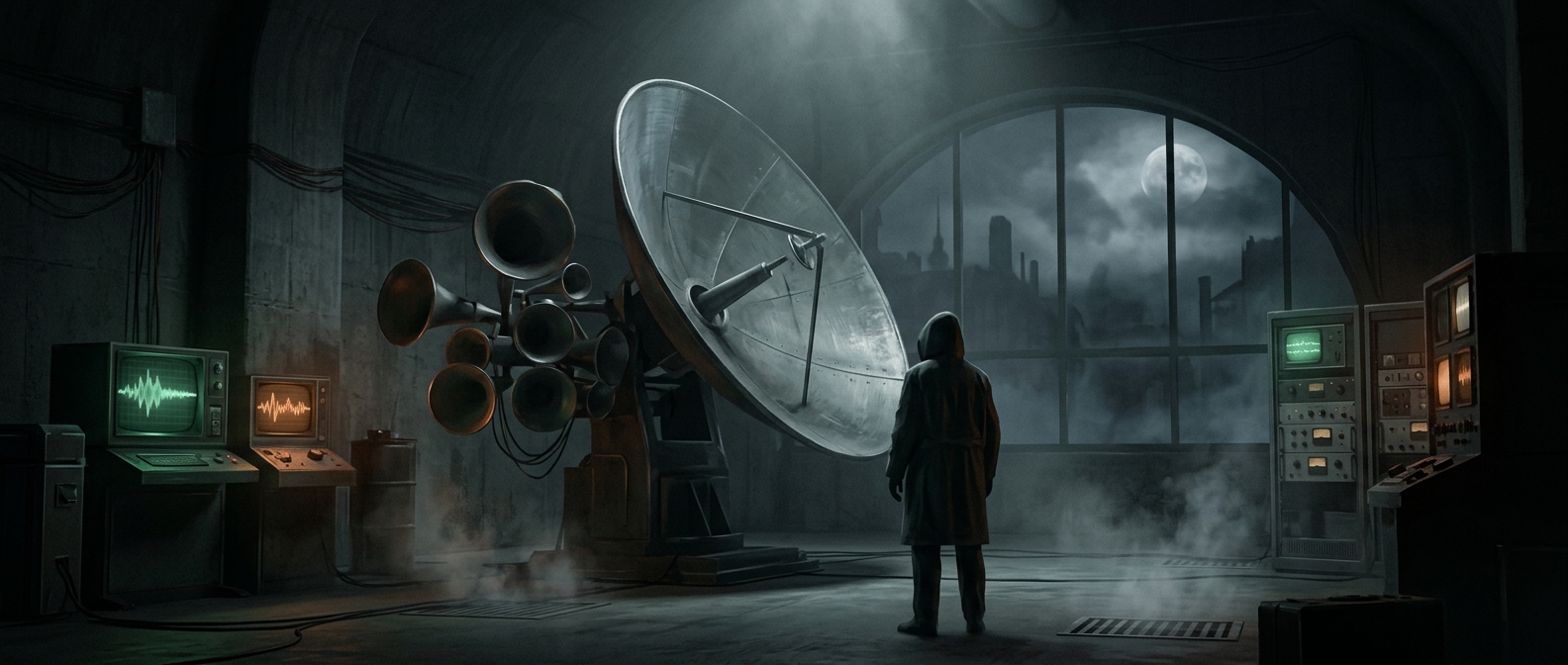
The experiments drew on a real bodily response: intense sound and vibration can disturb balance and cause discomfort. Researchers hoped low-frequency waves might trigger nausea or vertigo without the obvious marks left by a conventional attack. More dramatic effects, such as hallucinations, were part of the aspiration, not a dependable result that could be switched on at will.
The central obstacle was control. A useful device would need to deliver a strong, predictable effect to a particular person, at a distance, under changing conditions. Low-frequency waves were poorly suited to that kind of precision, and simply increasing their intensity would expose a wider area rather than solve the aiming problem. The weapon’s defining advantage—an effect that was hard to see—came with a practical drawback: it was hard to keep the sound on one target.