How Acoustic Foam Turns Sound Into Heat
Sound travels through a room as tiny, repeated changes in air pressure. When those waves meet a hard wall, much of their energy bounces back, creating reflections that can make speech or music sound muddy.
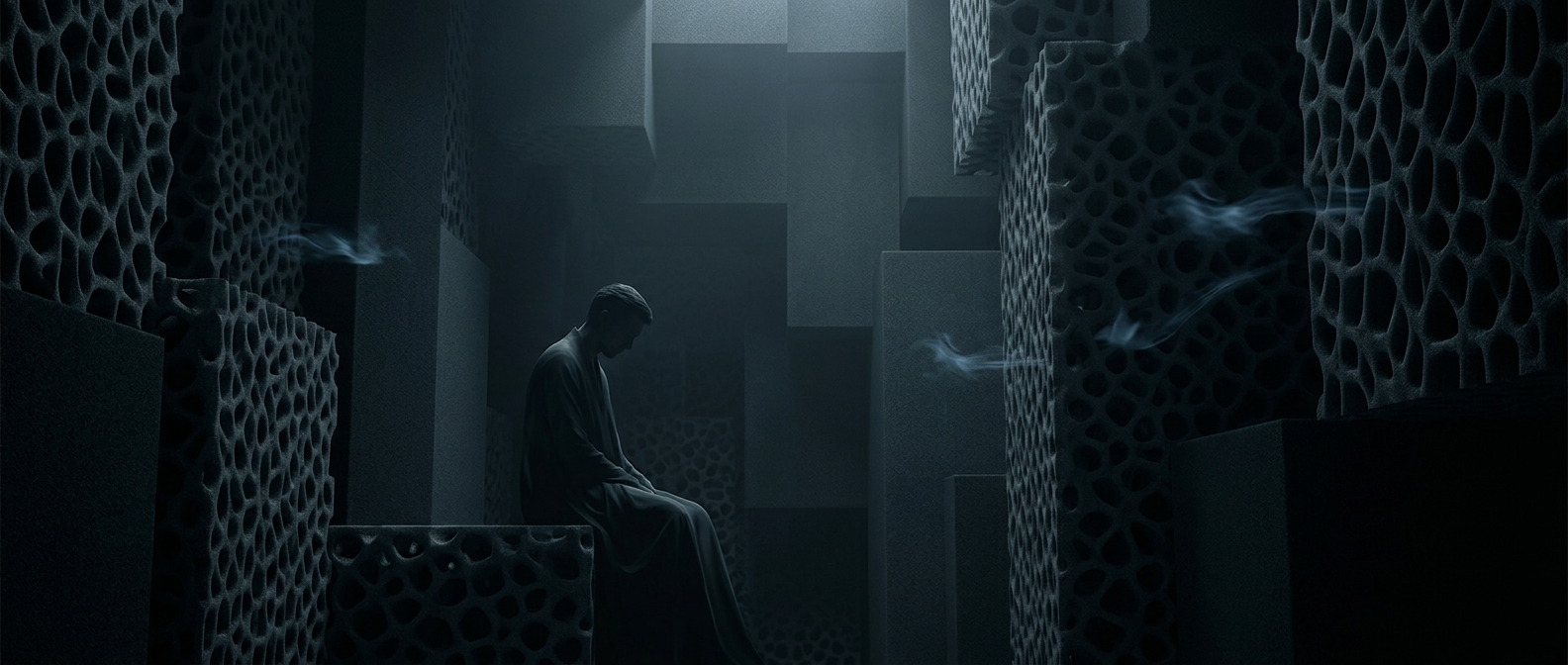
Acoustic foam has an open, porous structure. As sound enters it, the air inside the pores vibrates back and forth. That movement rubs against the pore walls, while small temperature changes in the moving air also dissipate energy. The losses are slight for any one vibration, but together they convert some of the sound energy into heat rather than letting it return to the room.
What Foam Can—and Can’t—Do
By weakening reflections, foam can reduce echo and reverberation, the lingering sound that builds up when reflections overlap. It does not usually block sound from passing through a wall: that takes substantial mass and airtight construction, not just a soft surface.
Foam also works best on sound whose wavelengths are suited to its depth. High-pitched sounds have short wavelengths and are easier for a thin layer to absorb; low bass has much longer wavelengths and can pass through or around it more readily. That is why covering a room in thin foam may make it sound less bright without solving a booming bass problem.
The practical effect is a change in the room’s reflections, not silence. A voice recorded near treated surfaces can sound clearer because fewer delayed copies of it reach the microphone.