Why the layers work together
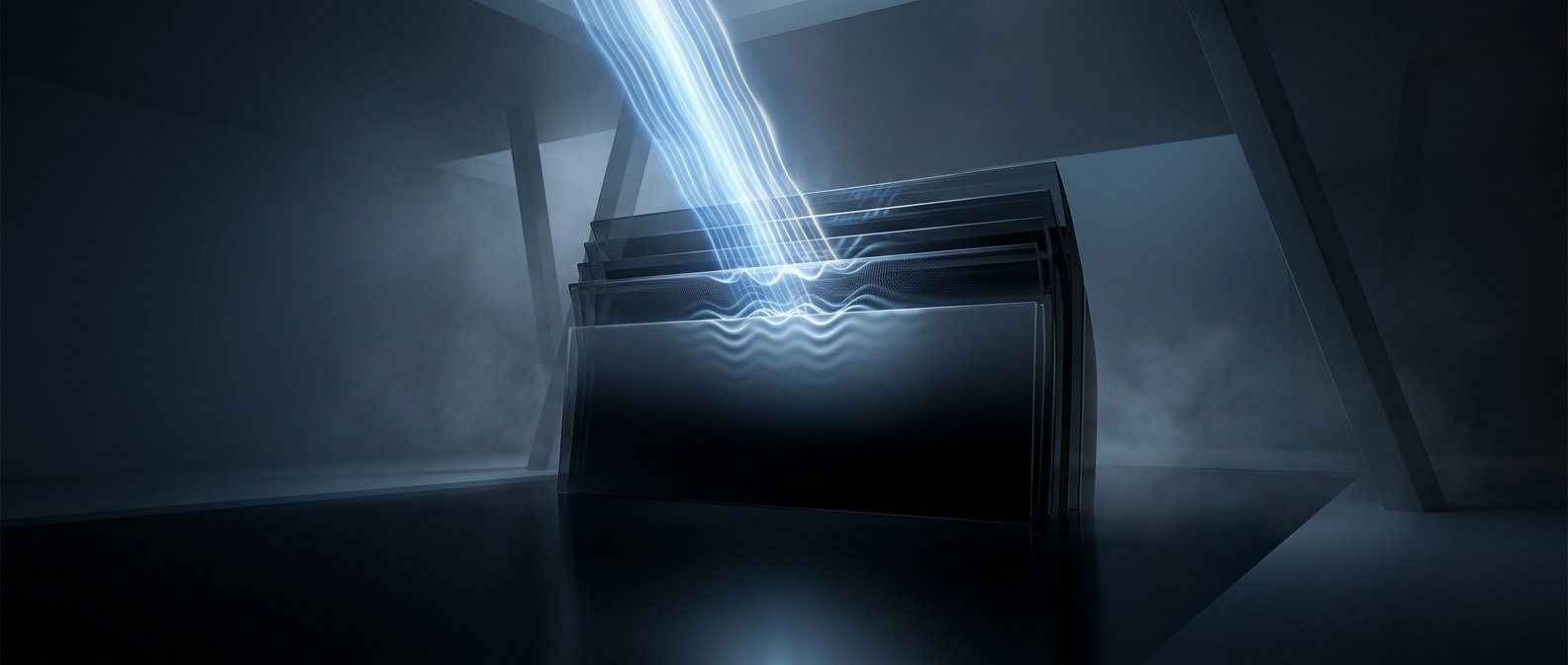
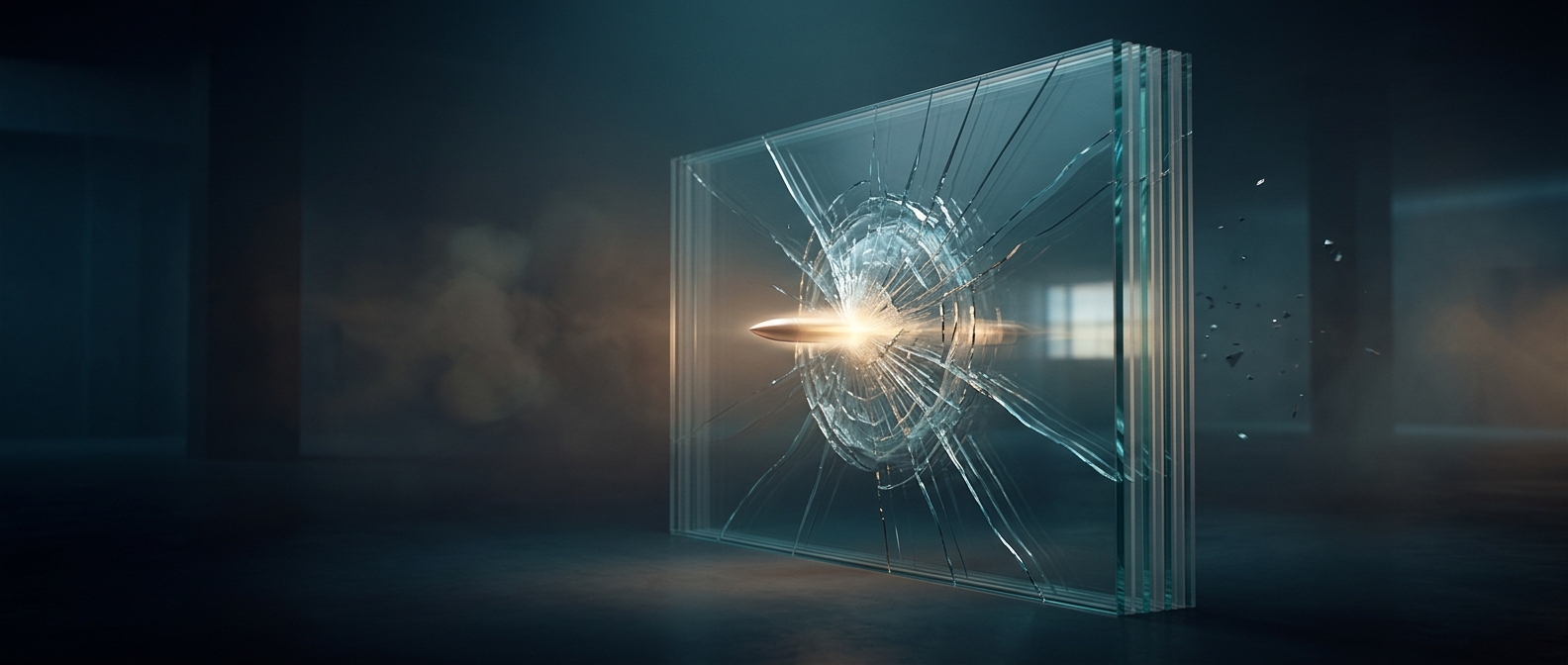
Bullet-resistant glass is better understood as a layered energy-management system than as an exceptionally hard pane. The glass layers resist and disrupt the projectile; the tough plastic layers can flex without shattering in the same way. Bonding the layers keeps them working as one panel, spreading the impact instead of letting a crack or fragment travel freely through it.
As the projectile breaks up or changes shape, and the glass fractures, some of its energy is spent damaging and moving the materials. The polycarbonate backing then stretches and helps hold the bullet and glass fragments in place. It also reduces the chance that shards will fly from the protected side—a hazard called spall.
Protection has limits
The panel does not make a window invulnerable. Its performance depends on the particular construction and the threat it was designed to resist. A more demanding protection level generally calls for a thicker, heavier assembly, which can make installation and operation more difficult.
That tradeoff is why ballistic glazing is specified as a complete system, not simply chosen by how thick or clear a single sheet looks. In a successful impact, the bullet may be stopped, but the damaged layers still need inspection or replacement: the window has absorbed the hit by sacrificing part of its structure.