How Reverb Makes a Small Recording Space Feel Large
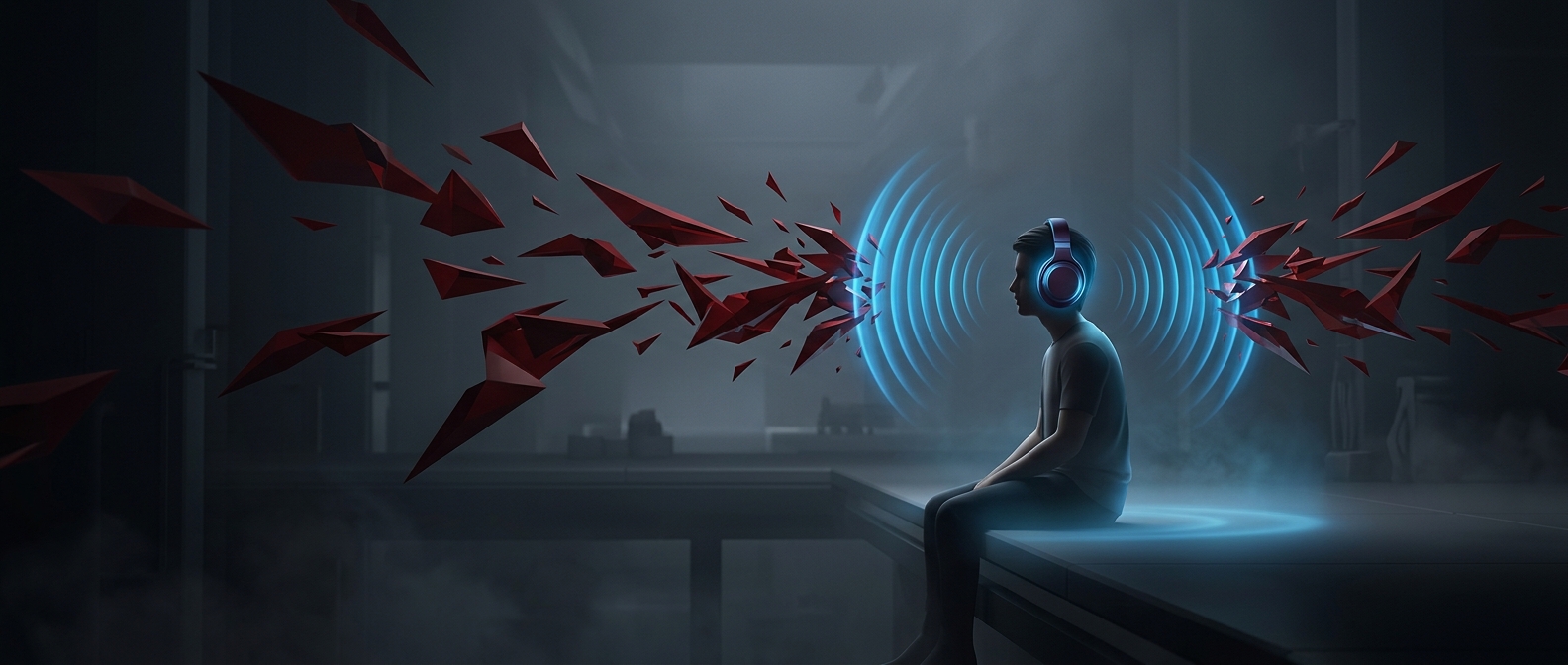
A microphone captures sound at one spot, but in a real room, listeners hear more than the sound that travels straight from its source. Sound also bounces off walls, floors, and ceilings. Those reflections arrive a little later, overlap with the original sound, and gradually grow quieter as they lose energy. Together, they create reverberation—the lingering sense of a space after a sound begins or stops.
Building a Room From Delays
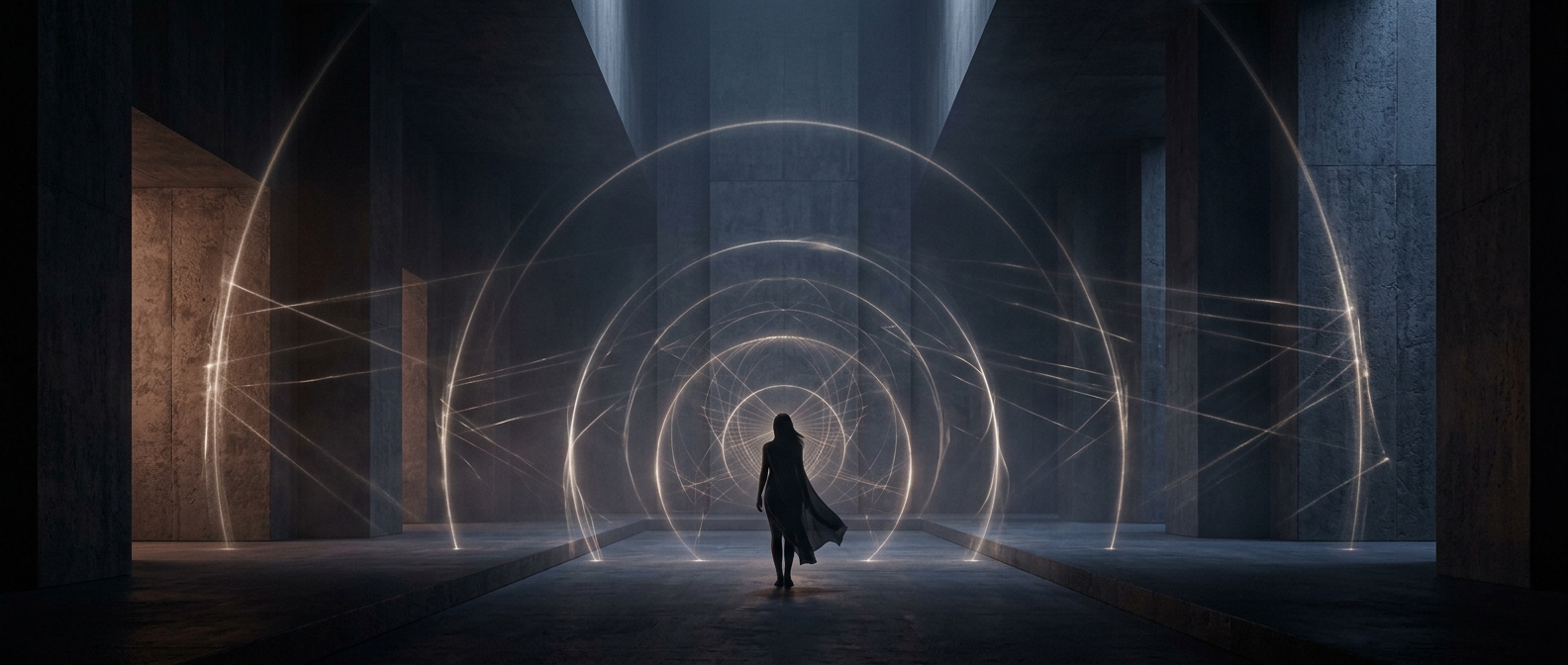
Audio reverb recreates that pattern electronically. A processor makes copies of the dry recording, delays them by tiny amounts, and lowers their volume. The copies may be arranged into a dense, changing wash rather than heard as distinct echoes. Because the reflections overlap, the ear interprets them as a room’s acoustic response, not as separate repetitions.
The timing and decay shape the impression. Closely spaced reflections can suggest a compact room; a longer, slower fade can imply a more expansive space. Reverb also varies by frequency: high sounds tend to lose energy differently from low ones, so adjusting that balance can make the imagined room seem brighter, darker, or more distant.
Why the Effect Changes a Recording
A dry voice or instrument can sound unusually close and isolated, as though it were recorded beside the listener. Reverb supplies cues about the surrounding space, placing that same performance farther away or giving it a sense of scale. Producers can therefore make separate recordings feel as if they belong in one environment—or deliberately set a voice apart from the rest of a mix.
The tradeoff is clarity. Long, heavy reflections can blur quick notes and speech because each new sound overlaps with the fading tail of the last. A short, restrained reverb can add depth while keeping words crisp; a long tail makes the room itself part of what the listener hears. No walls need to move: the apparent space is built from the reflections added to the recording.