A social world needs people in the same place at the same time
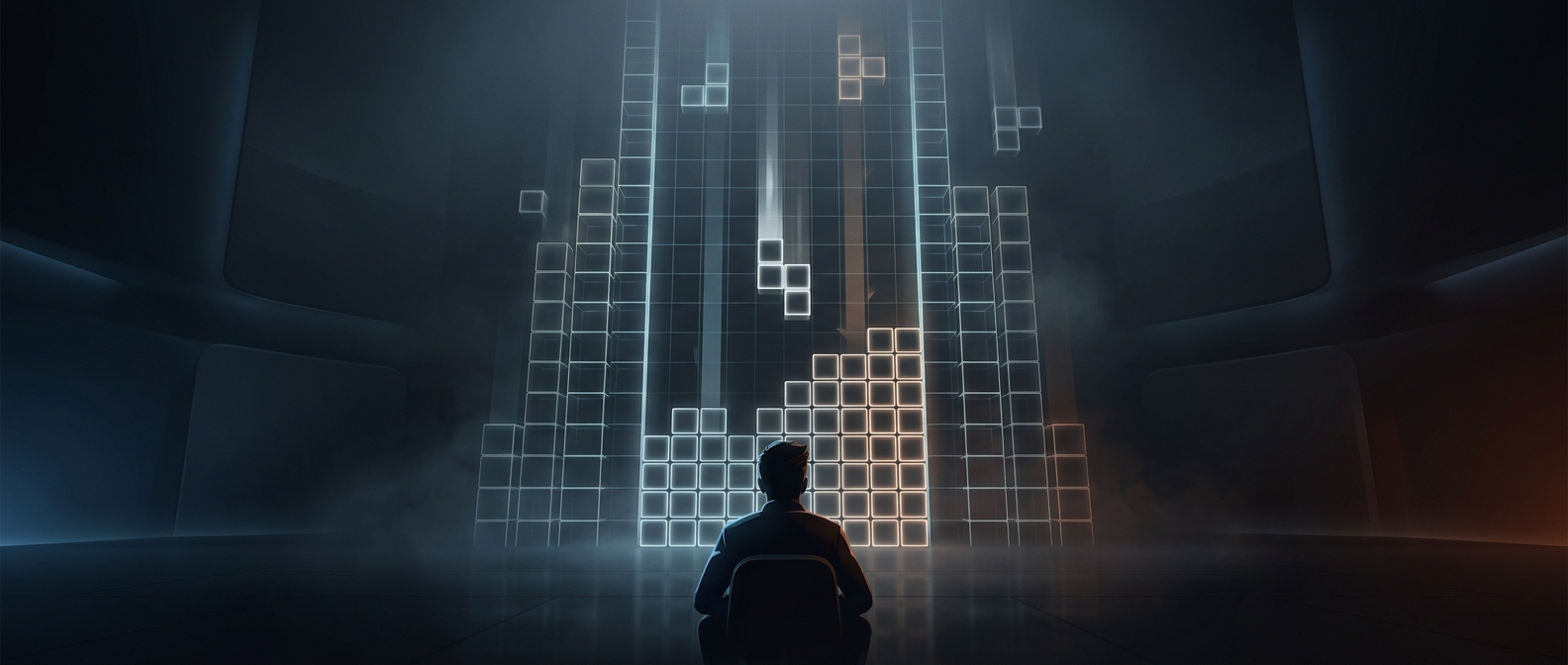
A virtual plaza can be beautifully rendered and still feel vacant if few people are there when you arrive. Social spaces depend on synchronous presence: the sense that other people are available now, not merely represented by accounts or recorded activity. When visitors are scattered across different worlds, rooms, or time slots, even a large user base can produce quiet spaces. Quiet, in turn, gives newcomers little reason to stay or return, making it harder for a gathering place to build momentum.
That creates a coordination problem. Each person is more likely to join when friends or interesting events are already present, while those friends and events are more likely to appear when enough people show up. A conventional social app can keep conversations going through messages and notifications between visits. A virtual world often asks users to enter a particular environment and spend time there together.
The headset adds steps to an ordinary meetup
Joining a room in a headset is not as frictionless as opening a chat. Users may need to put on and adjust the device, launch software, choose a destination, and navigate with unfamiliar controls. Glitches or awkward movement can interrupt conversation; discomfort or fatigue can make a long visit less appealing. These small costs matter most when a person is deciding whether to drop in for a casual, unplanned moment.
The technology also has to make interaction feel legible. Avatars, voice chat, and spatial audio can help people understand who is nearby and where a voice is coming from, but they do not automatically create rapport. If movement feels unnatural or the room offers little to do together, presence can feel more like being alone inside a simulation than being with other people.
Empty rooms can reinforce themselves
Designers therefore face more than a graphics challenge: they need reliable ways to bring people together, give them a reason to linger, and make participation easy. Scheduled events can concentrate visitors; shared activities can give strangers something to do besides stand and talk. But those solutions work only if the practical effort of joining does not outweigh the appeal.
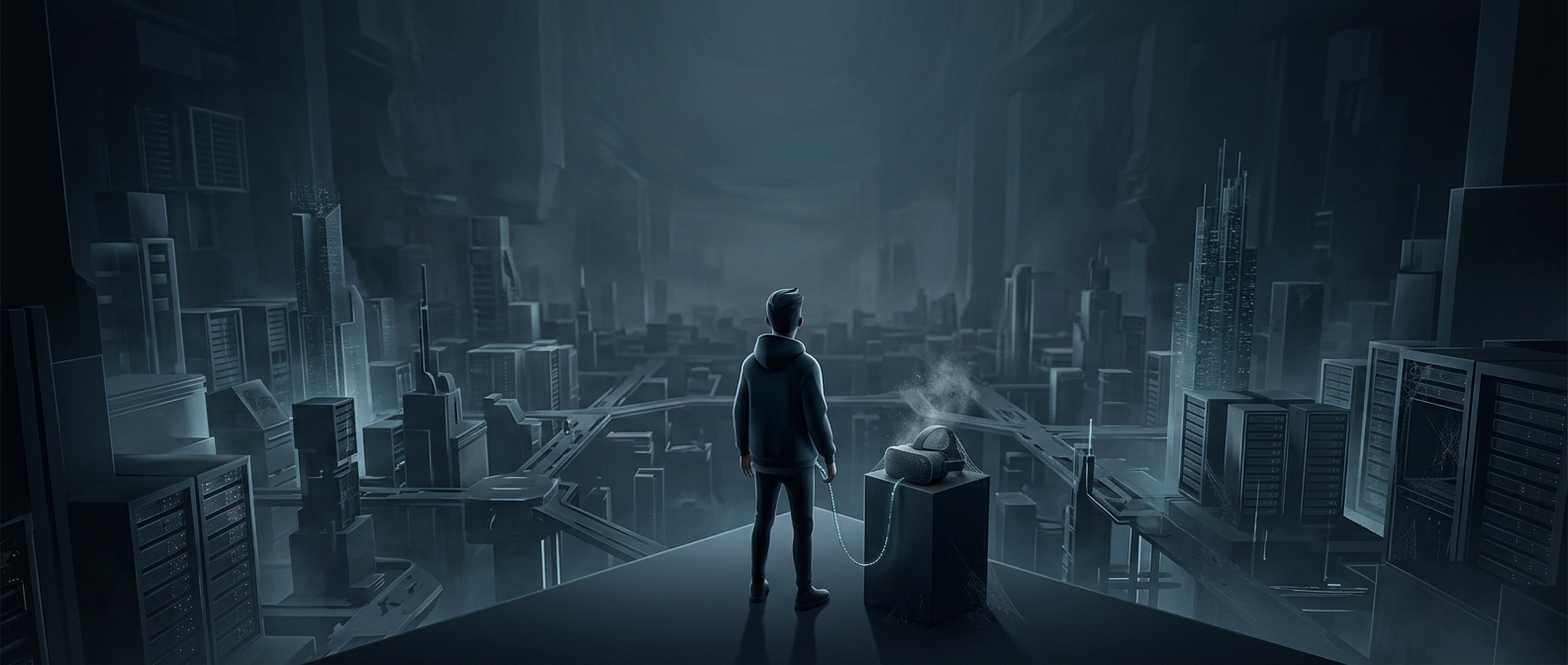
That is why a sparsely populated virtual world can feel emptier than a quiet website: its promise is not just access to content, but a place to meet. When the meeting never quite happens, the most polished room still reads as abandoned.