The game was losing its electrical connection
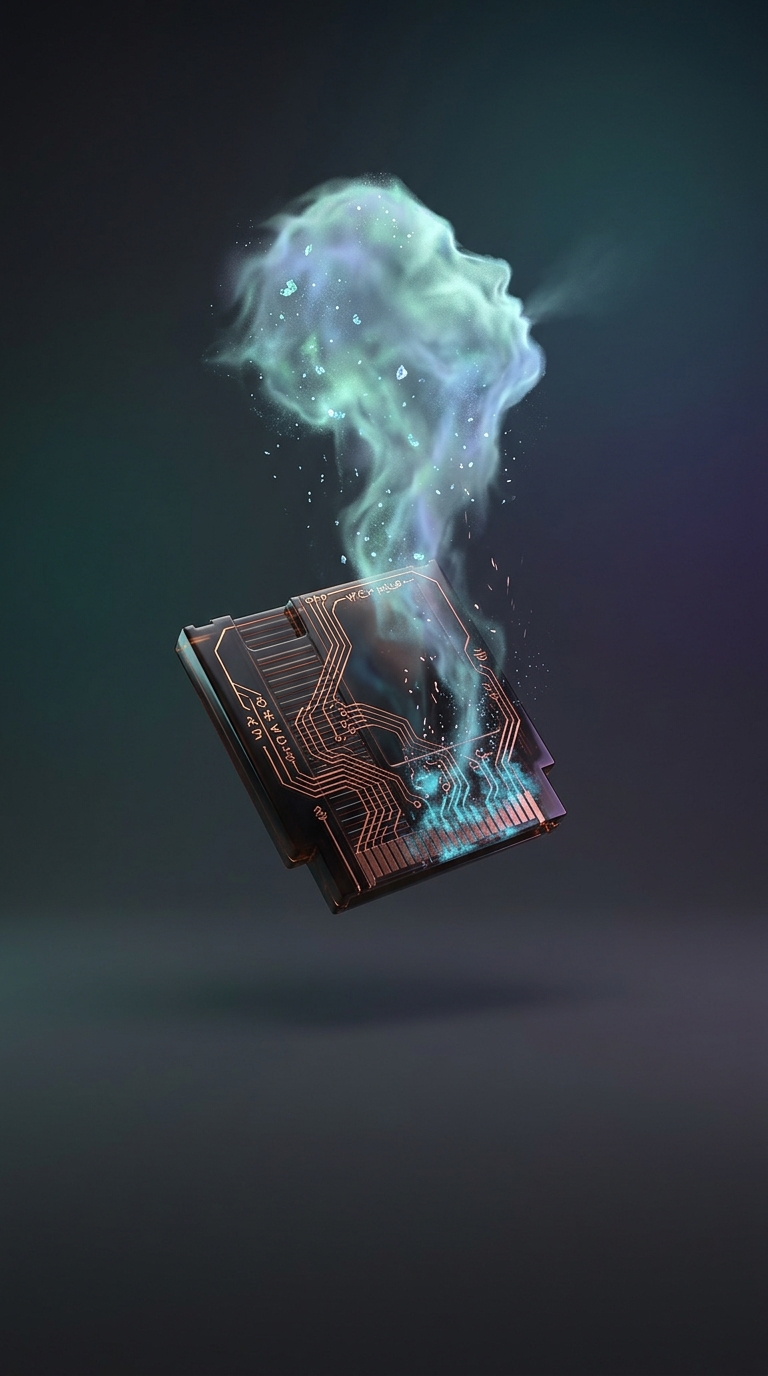
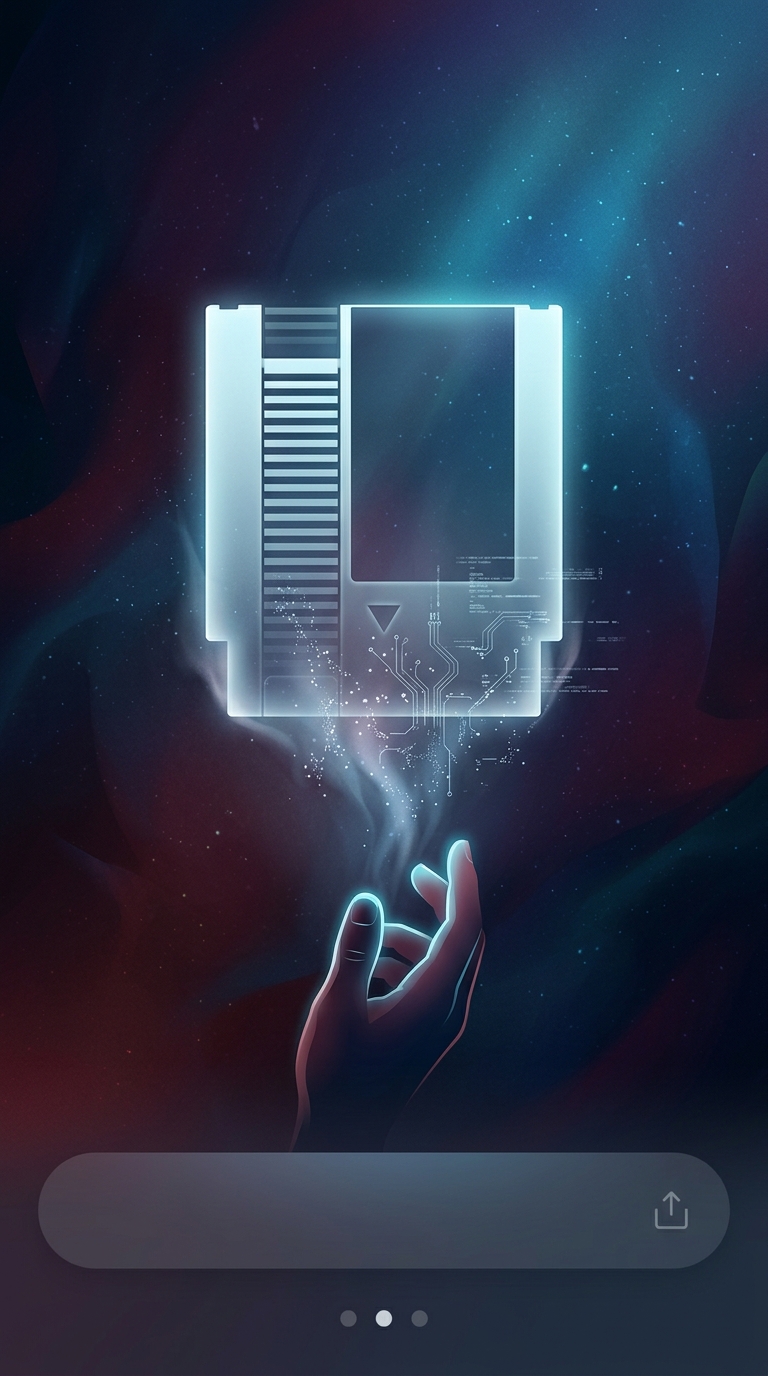
A cartridge works only when the metal strips along its edge make reliable contact with matching spring contacts inside the console. Those contacts carry the electrical signals the system needs to read the game. If dirt, wear, or a thin layer of oxidation interferes, the connection can become unreliable—and the console may fail to start the game correctly.
Blowing seemed to fix the problem because it often happened as part of a small ritual: remove the cartridge, blow on it, and push it back in. The removal and reinsertion could matter more than the breath. Sliding the metal strips past the console’s contacts could shift loose debris or briefly improve a poor connection.
Why the breath was a risky “repair”
Air from your mouth can move some loose dust, but it also carries moisture and tiny droplets of saliva. That moisture can leave residue on the contacts; over time, contamination and corrosion can make electrical contact worse. So blowing was not a dependable way to clean the cartridge, even when the game worked afterward.
The console’s connector could also be part of the problem. If its contacts were worn, dirty, or no longer pressing firmly against the cartridge, breathing on the cartridge would not fix the underlying issue. Taking it out and putting it back might still change the connection enough for the game to load on that attempt.
A convincing cure by coincidence
When the game worked after the ritual, it was easy to credit the breath. But the restart, the movement of the cartridge, or a connection that happened to improve temporarily could explain the change. The memorable lesson is that a tiny shift at the metal contacts could decide whether a cartridge game started—while the supposed remedy risked adding the very moisture those contacts did not need.