Why a Cartridge Seemed to Need a Breath
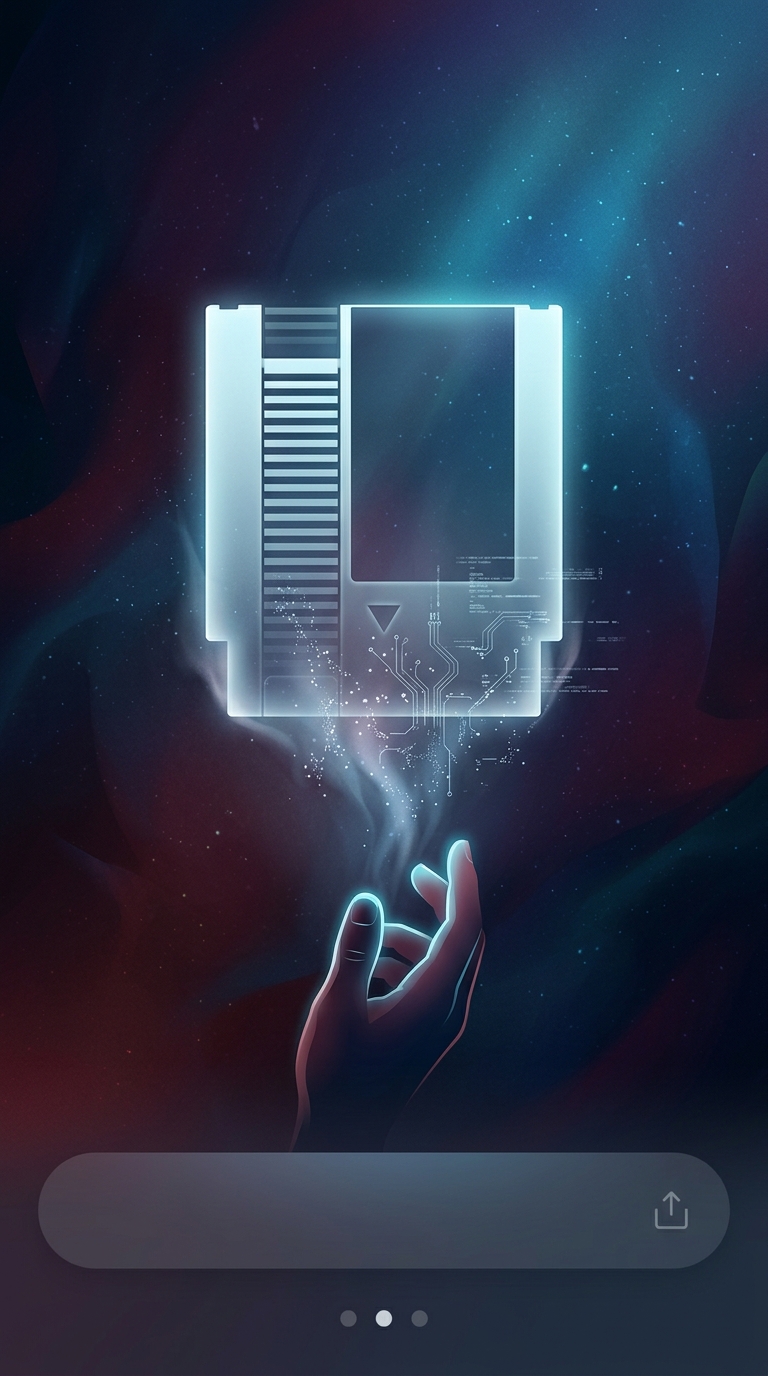
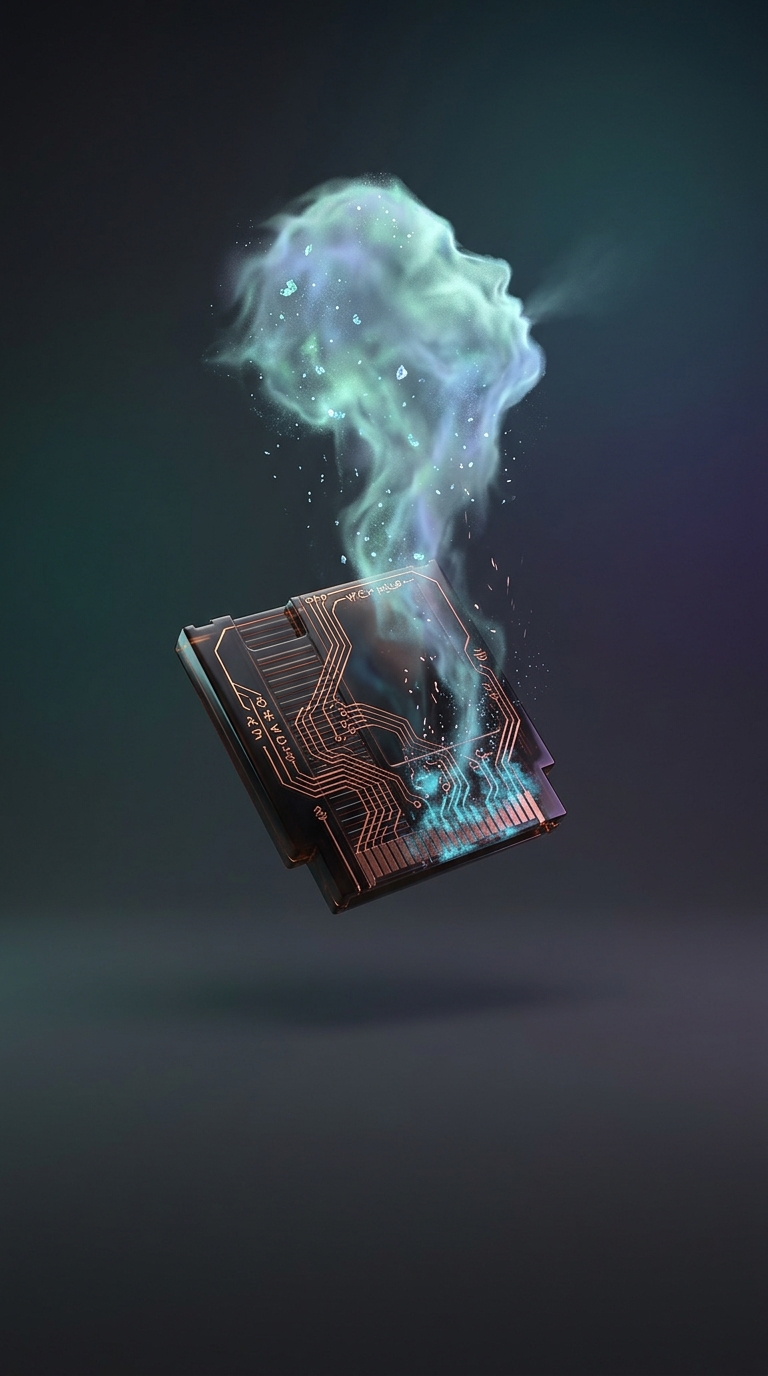
When an old game failed to start, the problem was often a poor electrical connection. Inside the cartridge, metal contacts had to meet corresponding contacts in the console. Dust, grime, oxidation, or a slightly imperfect fit could interrupt that connection, leaving the screen blank or the game behaving unpredictably.
Pulling the cartridge out and putting it back in could help because the movement disturbed debris and changed how the contacts met. It was a small, practical reset—not a repair performed by breath.
What Blowing Could—and Couldn’t—Do
A puff of air might dislodge loose dust, but breath also carries moisture. Saliva droplets and humidity can leave a thin film on metal contacts; over time, moisture can encourage corrosion, which damages the conductive surface rather than restoring it. So blowing directly into a cartridge was not a reliable cleaning method and could make the contacts worse.
The cartridge’s contacts were meant to make a clean electrical connection, not withstand repeated dampening. That mattered especially for games handled often and stored without protective cases, where dirt and wear already made contact less dependable.
How the Ritual Became Convincing
The trick had a memorable sequence: the game failed, someone blew into the cartridge, then pushed it back into the console. Since reinserting it was often the step that changed the connection, the game might work on the next try. The breath got credit because it was the most dramatic part—and because success after a ritual is easy to remember, while the times it did nothing are less memorable.
That accidental lesson spread from one player to another until blowing felt like part of the startup procedure. The irony is that the most effective part was usually taking the cartridge out and reseating it; the celebrated puff could leave the contacts a little wetter than before.