The crash came after the part players cared about
A game can finish its final level, show a victory screen, and still fail moments later. That is because displaying an ending and shutting down are separate jobs: the game first presents its final message, then has to release memory, close files, and hand control back to the operating system. A bug in that cleanup can crash the program even when the play session itself has gone normally.
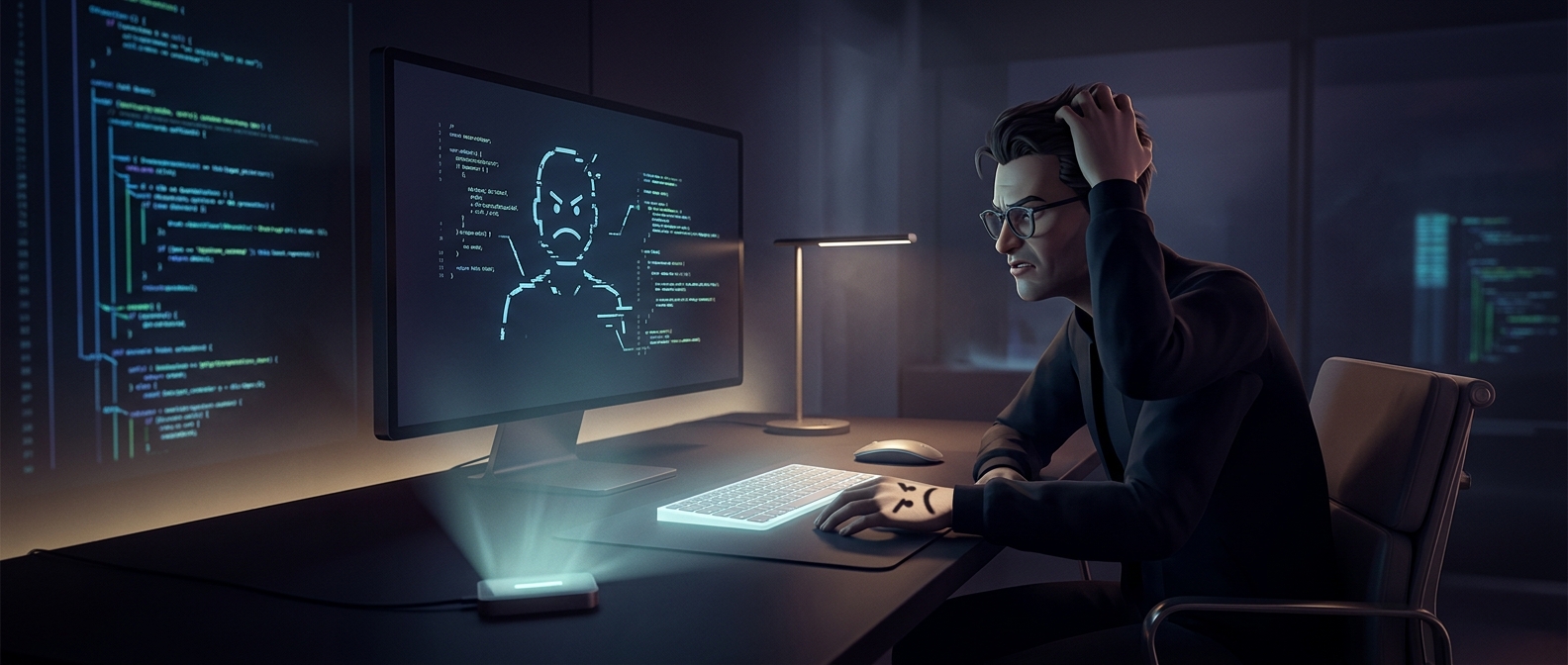
The programmer in this case changed the visible message instead of repairing the shutdown bug. “Thank you for playing!” reframes the moment as a proper ending, even though the game still crashes when it exits. The change addresses what players see, not what the software does.
A smoother ending, not a safer program
That distinction matters. A friendly message can make a failure feel less abrupt, but it cannot prevent lost progress, corrupted data, or other consequences if those are involved. Nor does it tell the operating system that the game closed cleanly. It is a presentation-level workaround: the ending looks intentional while the underlying defect remains.
As a short-term patch, this kind of change may reduce confusion when the crash happens only after play is over. But it also risks hiding a problem that deserves a real fix. The joke works because the message is genuinely courteous—and because the game’s final act is still to fall over.