A taste designed to stop a second lick
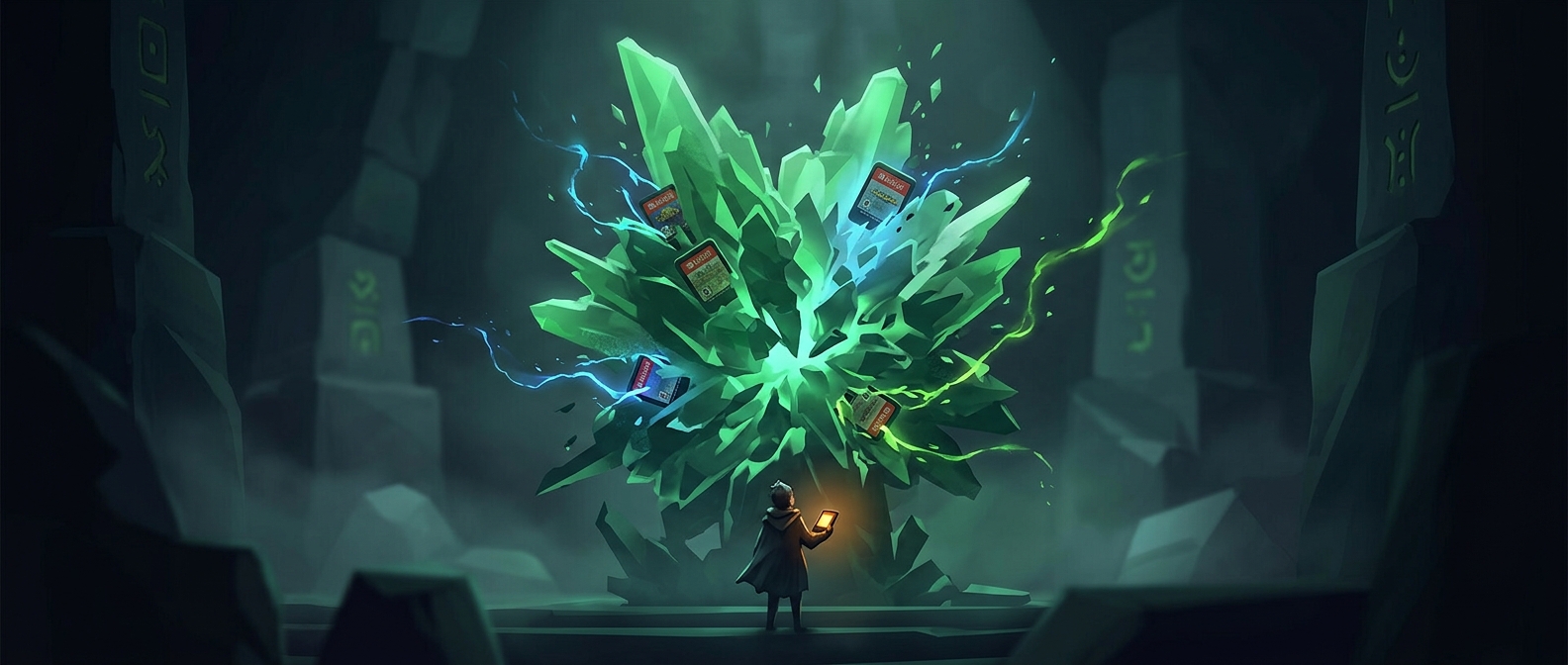
The cartridge’s bitterness comes from denatonium benzoate, a bitterant—a substance added to make something taste unpleasant. It can trigger a powerful bitter sensation even in a very small amount, so the coating is meant to make a child spit the card out rather than keep exploring it with their mouth.
The effect depends on taste, not on the cartridge being poisonous. A bitterant is a deterrent, not a physical barrier: it cannot guarantee that a child will reject the card or prevent swallowing. Its value is that it can make the first contact memorable enough to discourage another.
Why treat a game card this way?
A Switch game card is small enough to pose a choking risk if swallowed. Making it larger would undermine its purpose as a compact game format; making the surface taste terrible offers a different kind of safeguard without changing the card’s size or how it fits in the console.
That tradeoff also explains the curiosity it inspires. Adults who lick a cartridge encounter the deterrent directly: a tiny object can deliver an outsized bitter response. The memorable taste is not an accidental quirk of the plastic—it is the warning doing its job.