Why a modern screen can change a retro run
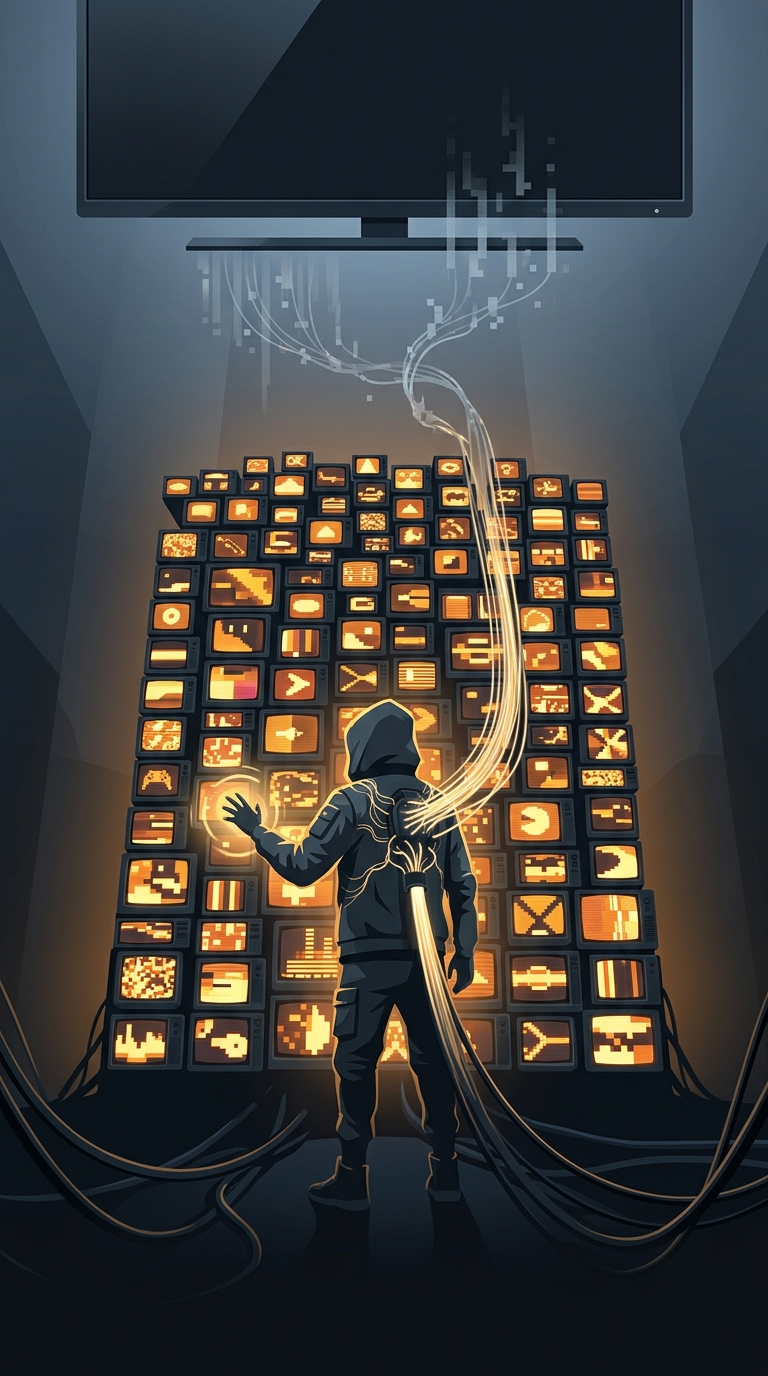
A speedrun is timed closely enough that the display can become part of the equipment. Older games were designed around CRT televisions, the bulky sets that drew pictures with a moving beam of light. Their image appeared almost immediately as the game sent it to the screen.
A modern 4K television has to process the old signal before showing it. It may scale a low-resolution picture to fit its high-resolution panel, convert the signal’s timing, and apply image processing. Each step can add a small delay between pressing a button and seeing the result. That delay is called input lag. Even a fraction of a second can make a practiced jump or menu input feel different, especially when a runner is repeating the same sequence hundreds of times.
Consistency matters as much as picture quality
Retro games also often run at a fixed frame rate. A television that handles that timing unevenly can introduce stutter or make motion look different from what the runner expects. CRTs have their own quirks, but runners familiar with a particular setup can learn exactly how it responds. For a record attempt, predictable behavior may be more valuable than a sharper image.
That does not mean every modern flat-screen is unusable. Many have a low-latency or game mode that disables extra processing, and some modern displays handle old signals well. Runners may also use specialized equipment to convert or scale a console’s output. The practical choice depends on the game, the console, the display, and the rules of the run’s category.
The point is not that 4K makes a game impossible to play. It is that a speedrun depends on a chain of precise inputs, and changing the screen can change the feel and timing of that chain. A familiar CRT can therefore be less a nostalgic prop than a carefully controlled piece of the setup.