A boast built around a famous designer
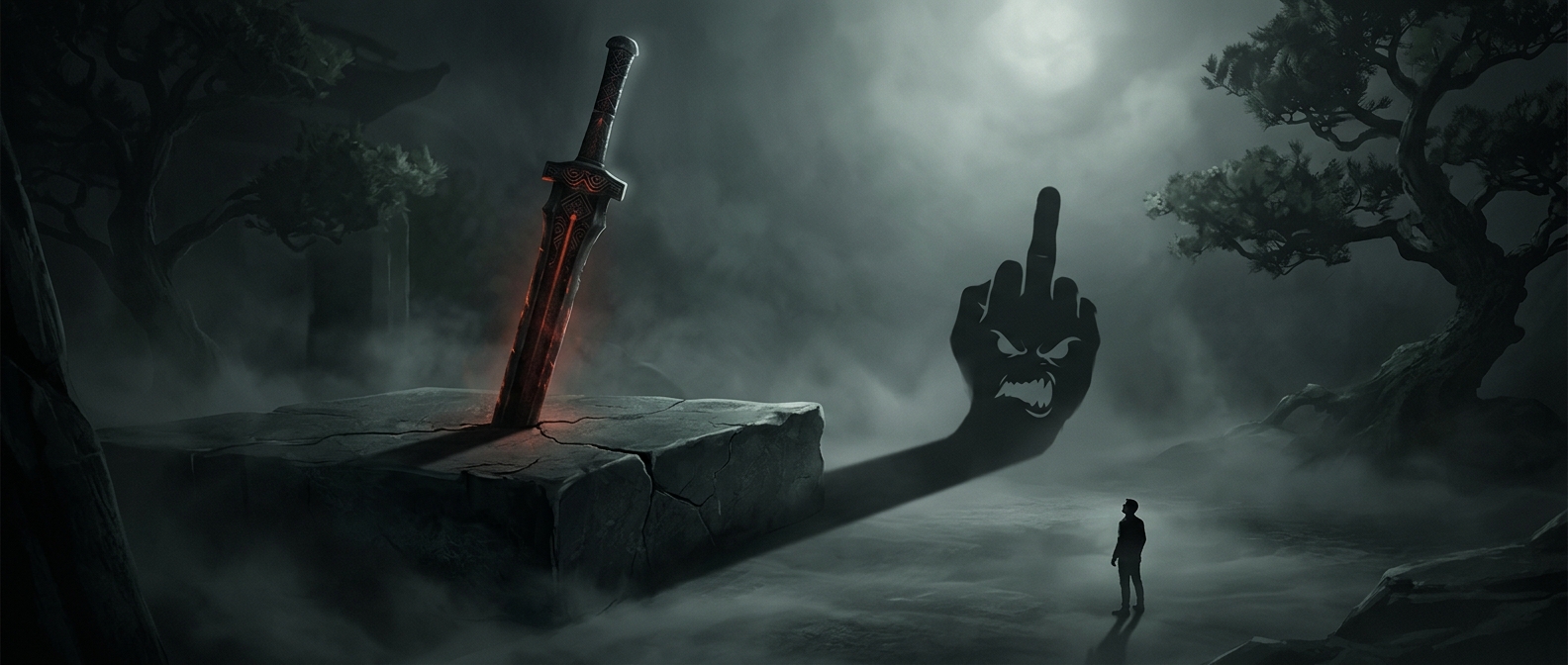
Daikatana was promoted as the work of John Romero, the designer associated with landmark shooters such as Doom and Quake. Its advertising sold more than a new game: it invited players to expect a personal encounter with a celebrated creator. That made the campaign memorable—but also left little room for an ordinary or merely flawed release.
Delay raised the stakes
The game was announced in 1997 and did not arrive until 2000. In a fast-moving genre, those years mattered: players had seen other shooters set new expectations for how combat should feel and look. The longer Daikatana took, the more its brash marketing became a promise the finished game had to fulfill.
The companions made frustration part of play
Daikatana’s campaign relied on computer-controlled companions—characters meant to fight alongside the player. Instead of feeling like dependable backup, they could become another problem to manage, since their survival mattered during the adventure. When combat and level design were already drawing criticism, companions that needed attention rather than providing it made the basic experience feel more irritating.
The result was a sharp reversal: the ad’s swagger became a ready-made joke about the gap between a developer’s promise and a game’s execution. Daikatana is remembered not just because it was delayed, but because its confident marketing gave players a line to measure that disappointment against.