The comparison is uneven by design
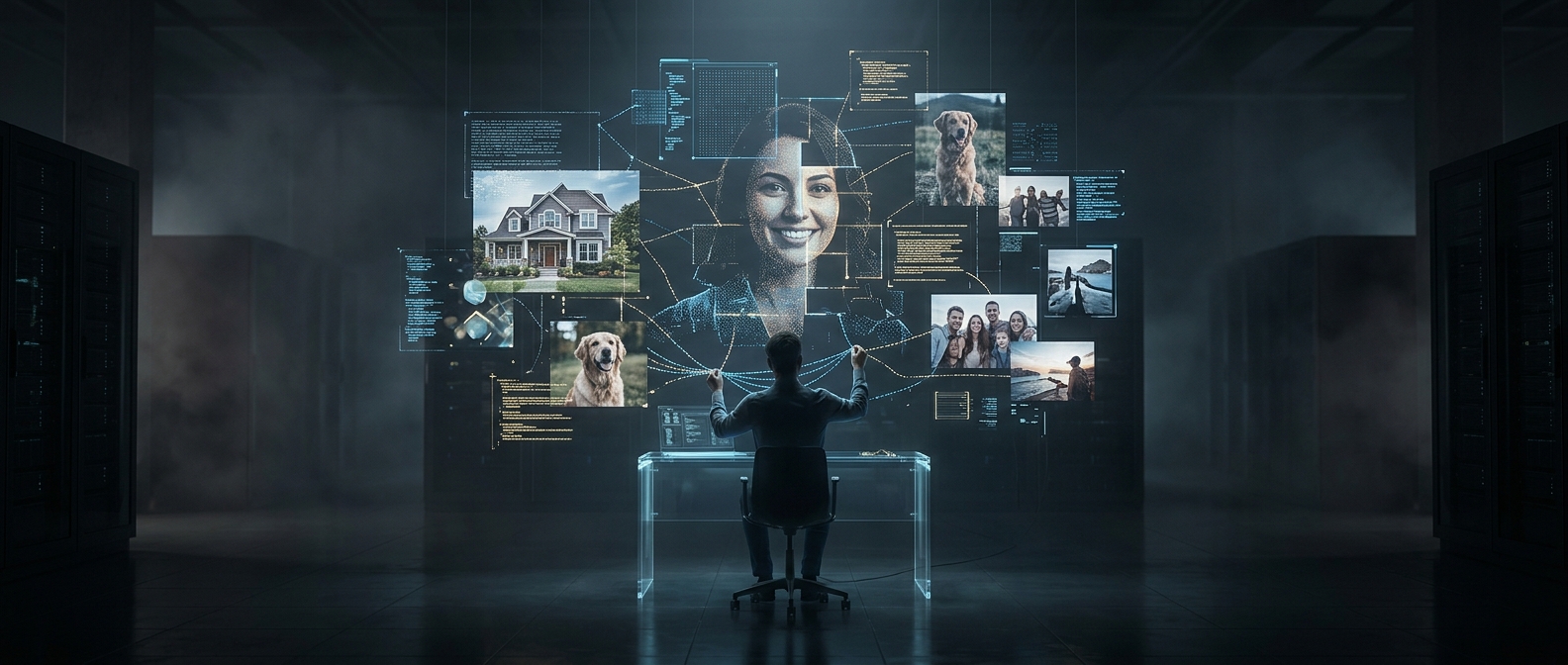
A social feed is not a sample of ordinary life. It is a collection of moments people chose to share, often because those moments seemed exciting, attractive, or worth remembering. A quiet evening, a failed plan, or an ordinary commute is less likely to become a post. So even without anyone trying to mislead, the visible record tilts toward events that look unusually good.
The comparison is also lopsided. You experience your own life as a continuous stream: the fun parts alongside chores, uncertainty, and disappointment. For someone else, you may see only a few carefully chosen images. Your mind can then compare your whole, unedited day with another person’s brief highlight—without access to the ordinary hours that surround it.
Why strangers can feel like rivals
People naturally use others as reference points for judging how they are doing. A stranger’s post can become a comparison target precisely because it offers a clear signal—an apparent success, a trip, a celebration—while revealing little about the person’s circumstances. The missing context leaves room to imagine that the visible moment is typical, or that the person has everything you lack.
A feed also places unrelated lives side by side. One post may show a friend’s promotion; the next, a stranger’s vacation. That sequence can make exceptional moments seem like a shared standard, even though they come from different people and different days.
A scroll shows selected moments, not a fair comparison of lives. Remembering that distinction changes what a polished image can reasonably tell you: someone had a moment worth posting, not necessarily a better day—or a better life.