Why a moving scene can unsettle a stationary body
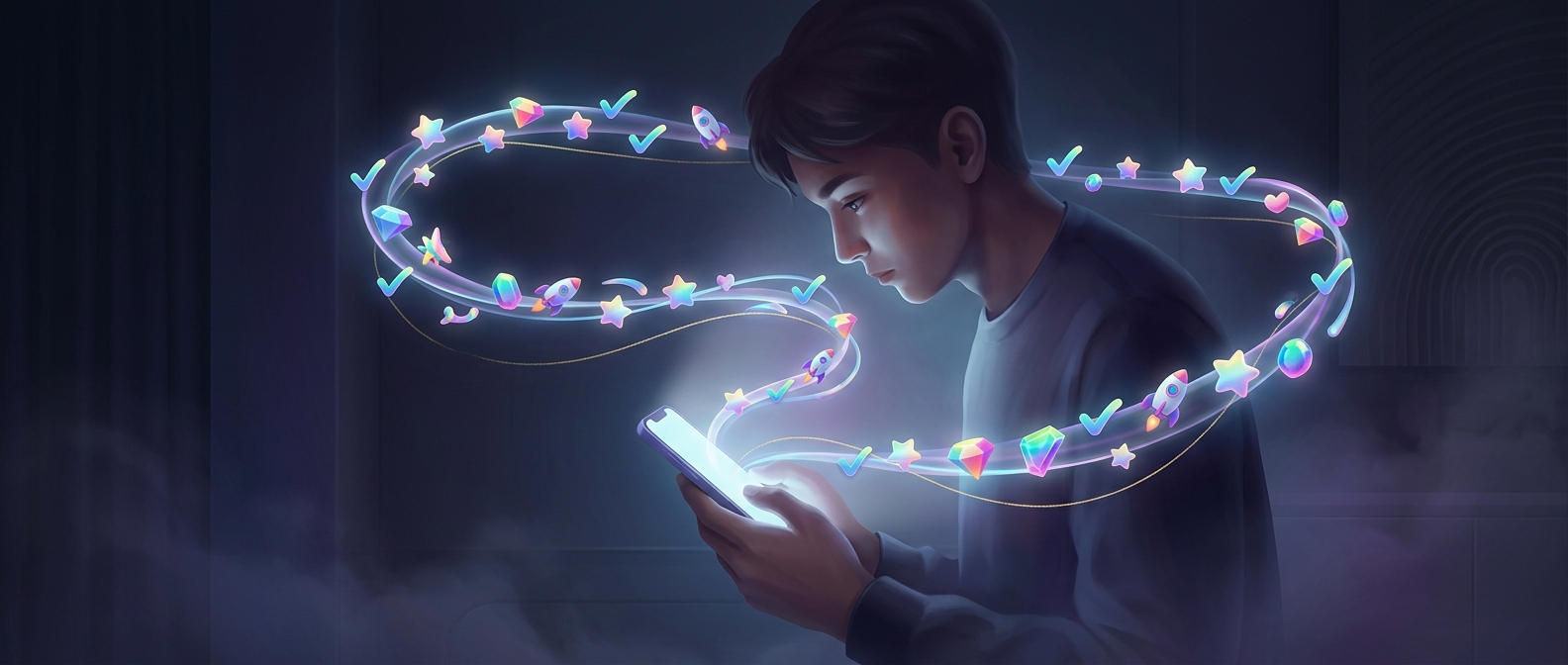
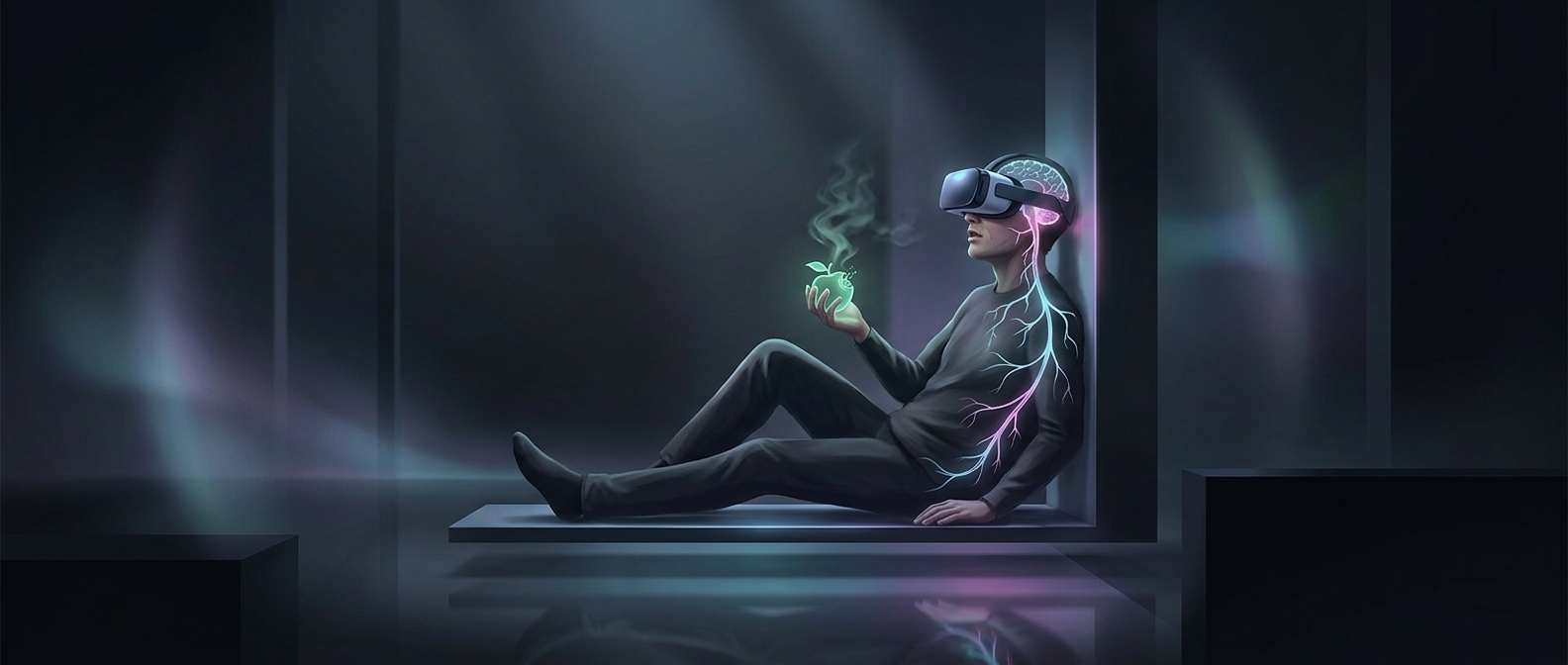
In a virtual world, a turn of the head can make the view sweep across a room even though the body has not moved through it. The eyes receive optic flow—the shifting pattern of images that normally signals movement through space—while the inner ear’s balance organs report little or no corresponding motion. Those organs detect rotation and changes in acceleration, helping the brain estimate how the head and body are moving.
The brain continually combines these signals to build a sense of orientation. When they disagree, the result can be disorienting: a virtual glide may feel compelling to the eyes but physically unconfirmed. Some people become nauseated, though sensitivity varies and visual-vestibular conflict is not the only possible contributor.
Why nausea may be part of the response
One proposed explanation is that the brain treats certain sensory mismatches as a possible sign of poisoning. Toxins can disrupt the nervous system and produce confusing signals about movement; vomiting can help expel a harmful substance. The theory offers a possible reason that a mismatch between vision and balance can provoke nausea, but it is not proof that the brain literally identifies virtual reality as poison.
The practical consequence is that a virtual ride can be harder to tolerate when the view accelerates, turns, or keeps moving after the player stops. Design choices such as smoother tracking, slower movement, or allowing the player to turn physically can reduce the discrepancy. They cannot guarantee comfort, but they help the virtual scene agree more closely with what the body is actually doing.