Technology
Discover facts about technology. Small discoveries that change the way you see familiar things.
Technology

How incubators mimic the womb
Incubators help premature babies stay warm by controlling temperature and humidity. Heated water reservoirs and circulating air maintain a carefully…
Discover more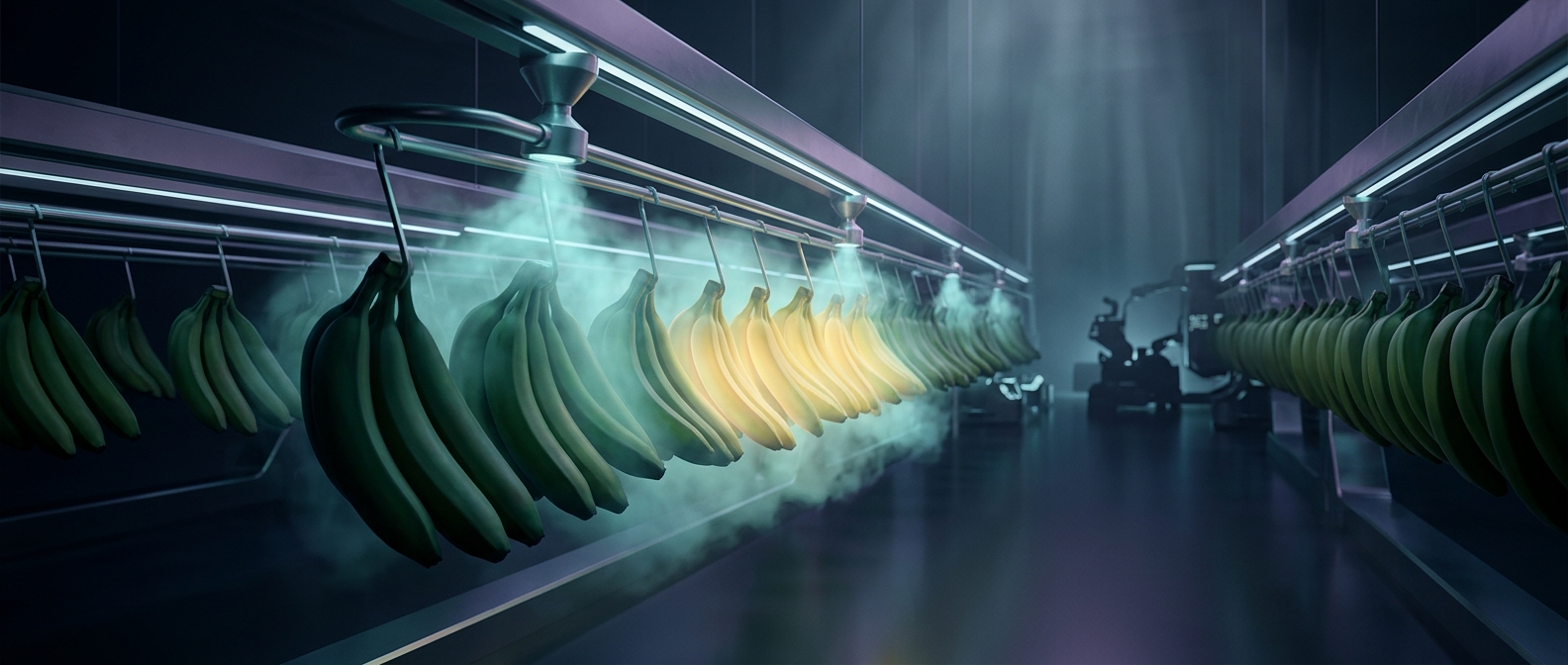
Why bananas arrive green—and turn yellow all at once
They’re shipped green and firm to survive transit, then exposed to ethylene gas in sealed chambers to ripen them before sale.
Discover more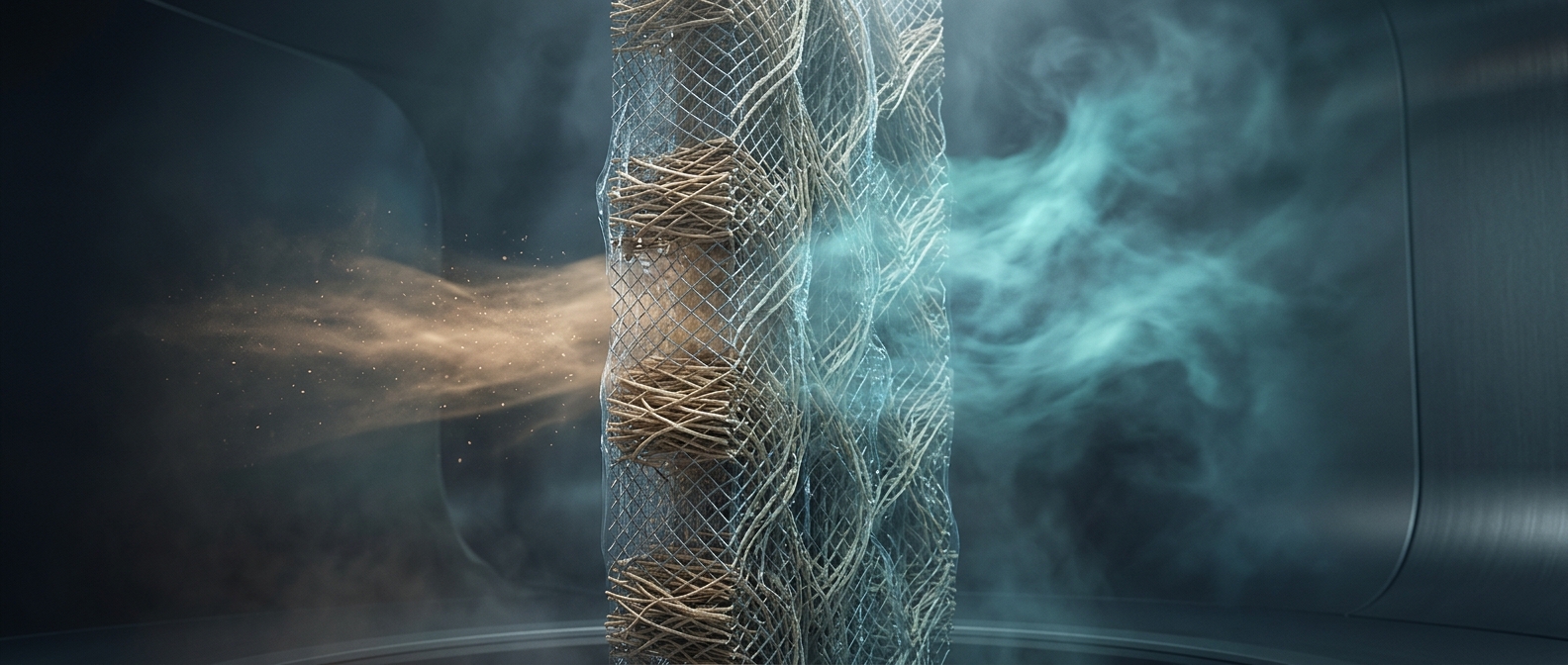
Evaporative humidifiers blow dry air over wet filters
A fan draws dry room air through a water-soaked wick. As water evaporates from the wick, the air leaving the humidifier carries more moisture.
Discover more
Endoscopes use fiber optics to light up human insides
A flexible bundle of glass fibers carries light into the digestive tract, illuminating the area a doctor needs to examine.
Discover more
How freeze-drying turns ice straight into vapor
In a vacuum, the strawberry’s frozen water changes directly into vapor without melting. That leaves the fruit dry and porous.
Discover more
The hidden trick that lets cars turn smoothly
In a turn, the outside wheel travels farther than the inside wheel. A differential lets them spin at different speeds, helping prevent the tires from skidding…
Discover more STACKY FOR IPHONE
A bigger world.
One discovery
at a time.
Keep discovering with Stacky. Interesting facts in an app that is always within reach.

Fluorescent tubes light up by electrifying mercury vapor
An electric current excites mercury vapor, which emits ultraviolet light. A phosphor coating inside the tube converts that UV into visible light.
Discover more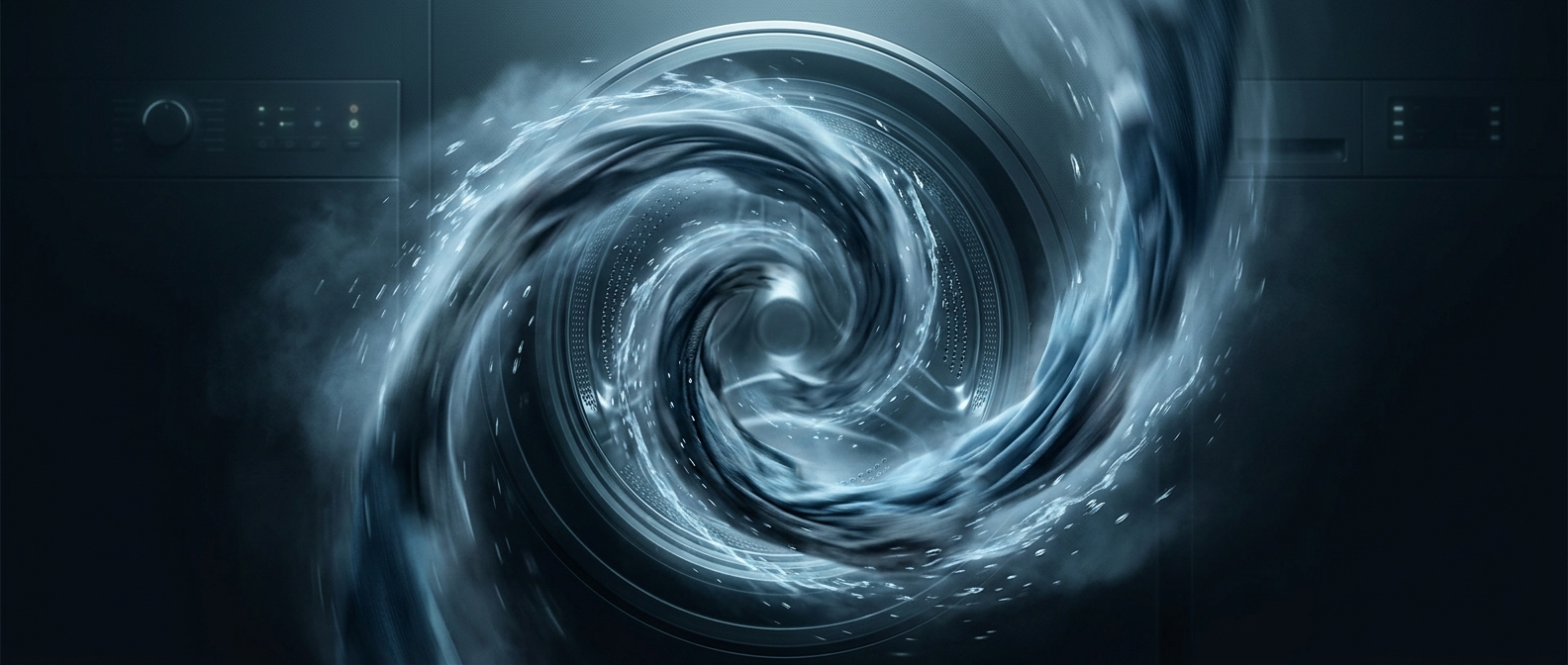
Washing machines use centrifugal force to extract water
During the spin cycle, the drum pushes clothes outward and water escapes through holes in the drum, reducing how much your dryer has to remove.
Discover more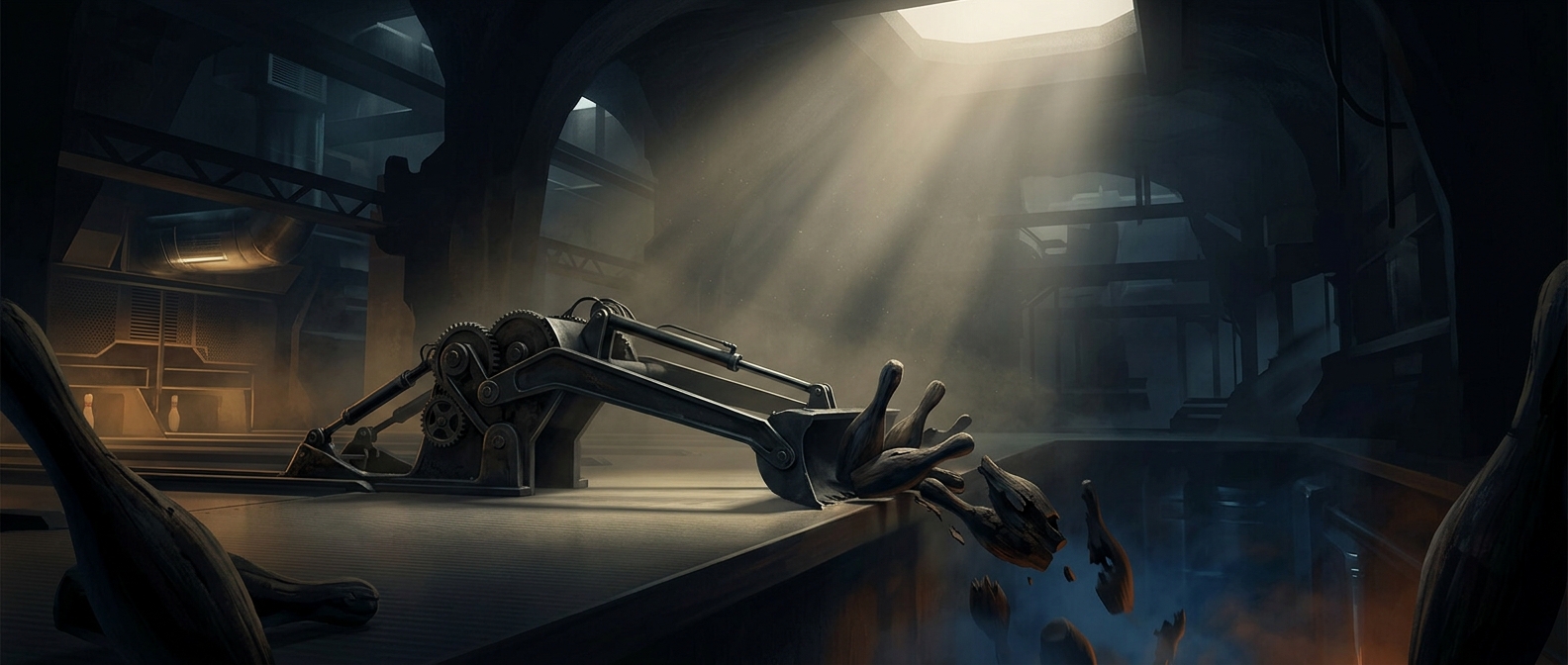
What happens to knocked-over bowling pins
A mechanical sweep clears fallen pins into a pit, then an elevator lifts them to a sorting rack for the next frame.
Discover more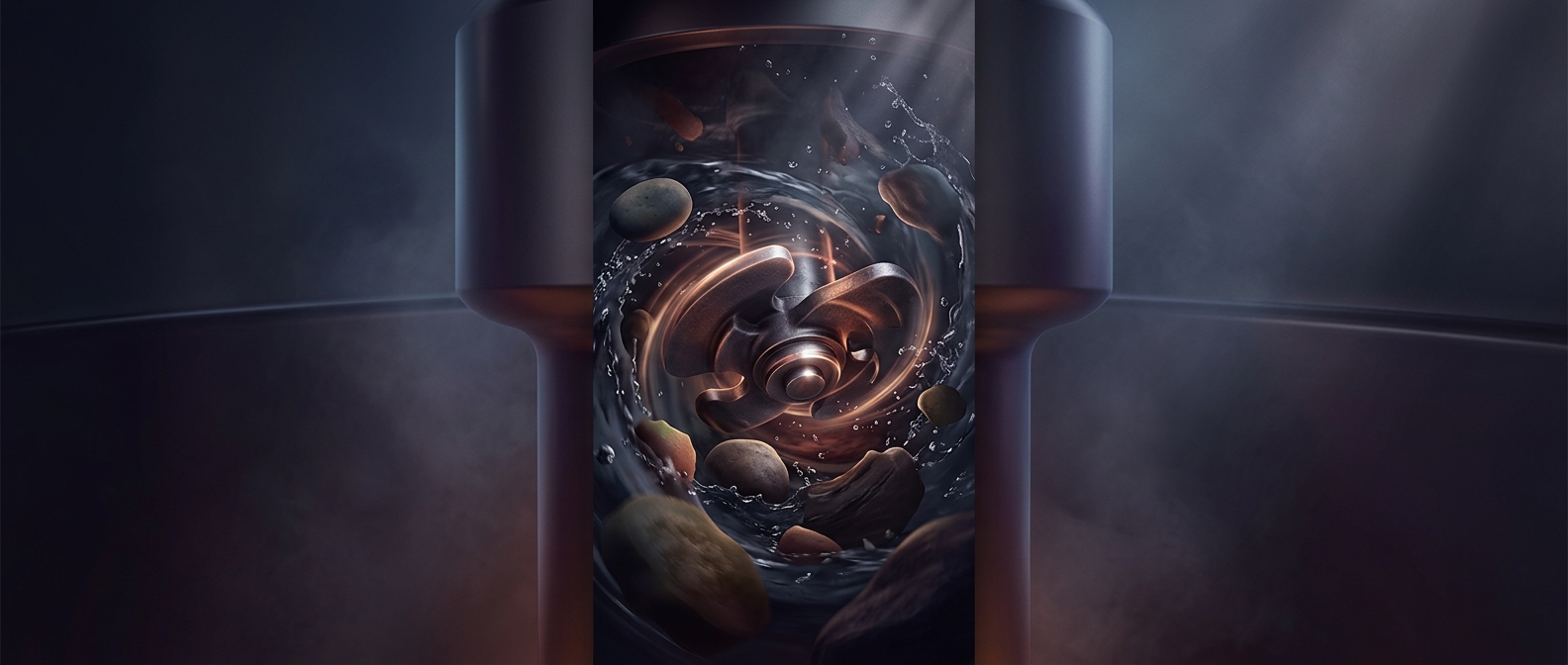
Your garbage disposal has no spinning blades
Instead of blades, spinning blunt lugs fling food against a stationary grinding ring, breaking it into small particles that wash down the drain.
Discover more
Laser eye surgery vaporizes part of your cornea
In LASIK, a thin flap is created in the cornea, then an excimer laser vaporizes microscopic layers of tissue to reshape it. The procedure can produce a…
Discover more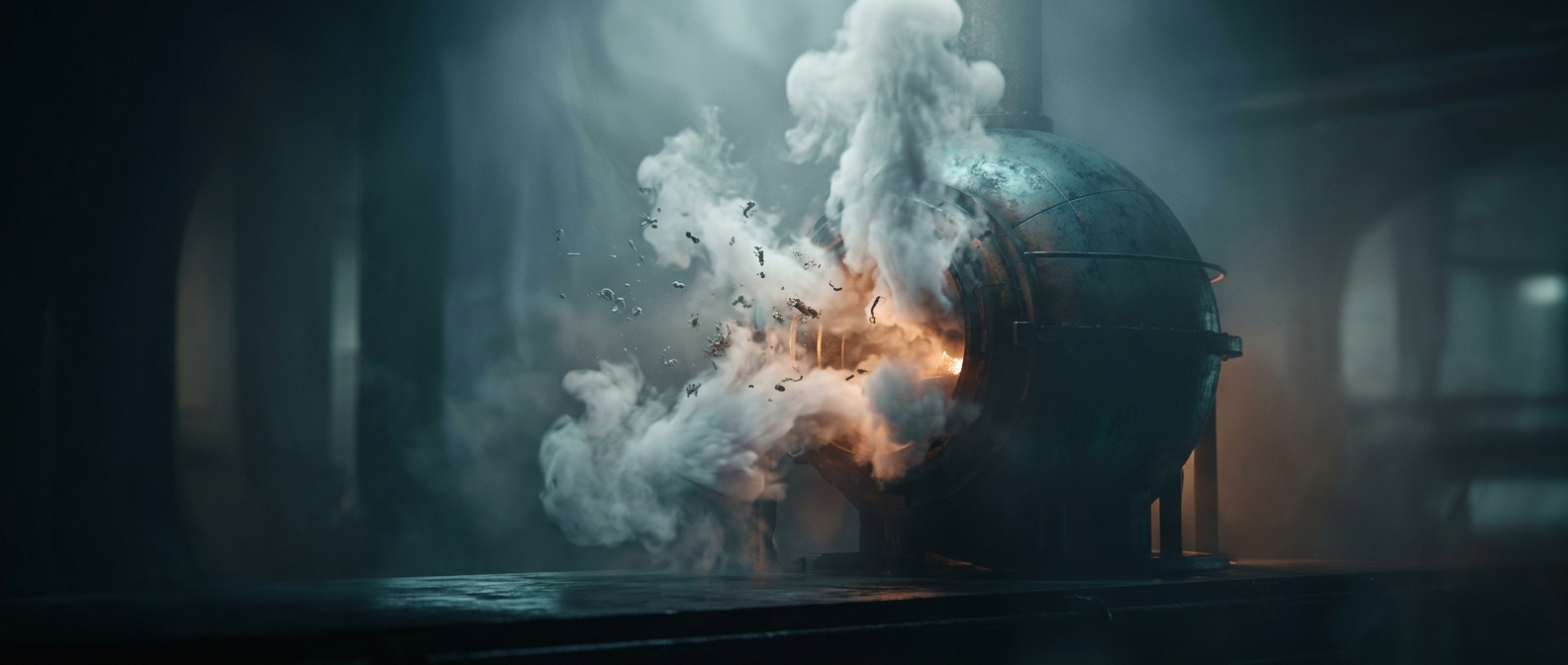
Medical autoclaves use pressurized steam to kill bacteria
An autoclave traps steam under pressure, raising its temperature above water’s normal boiling point. The hot vapor penetrates tiny crevices in surgical tools…
Discover more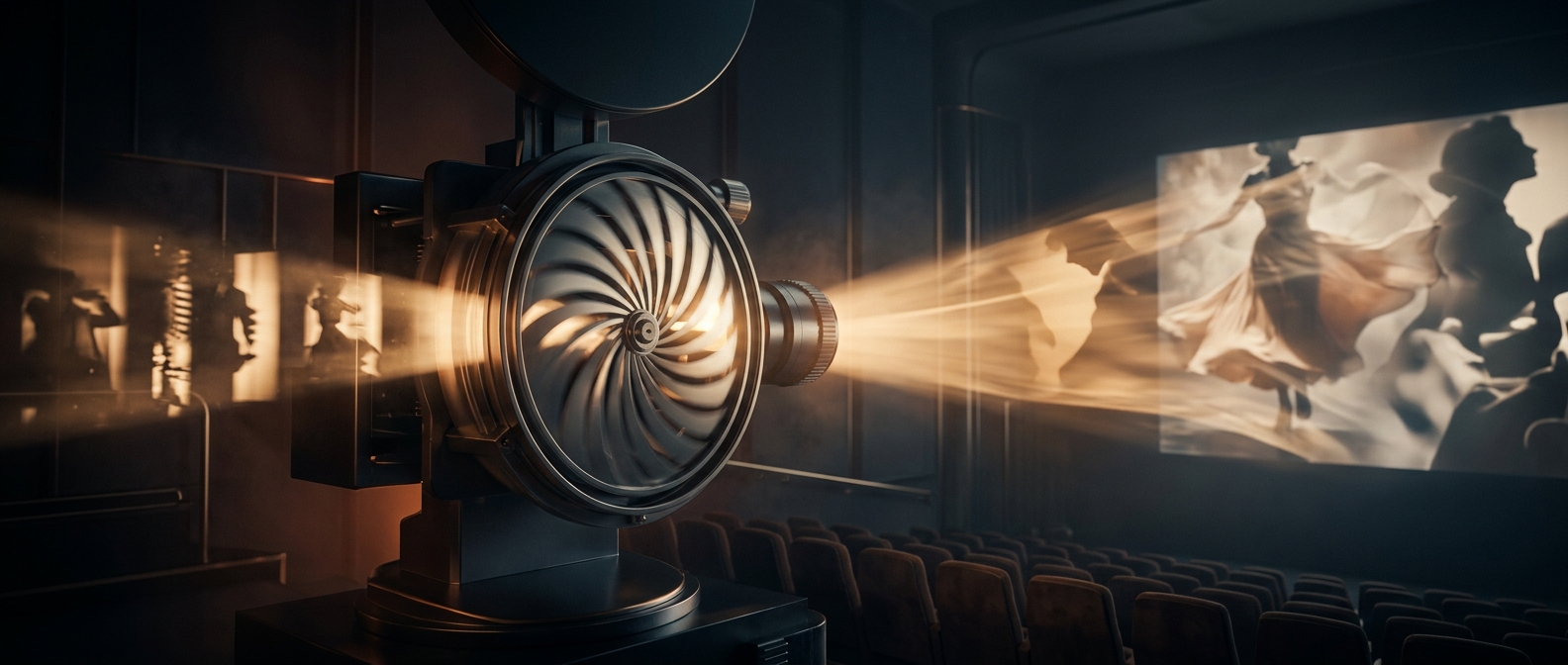
A film projector shows you the same frame more than once
The shutter hides the film as it moves into position, preventing a streak across the screen. It can also interrupt the light again while that frame stays…
Discover more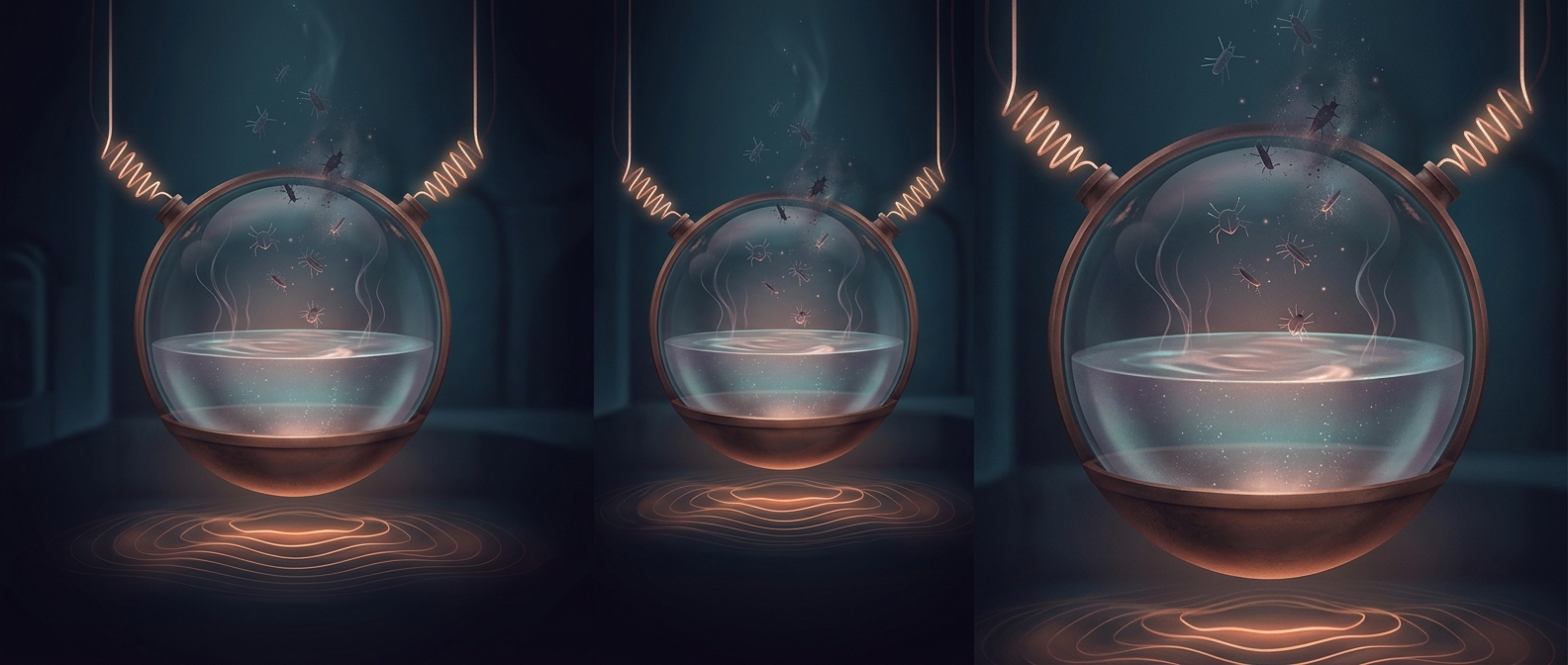
Pasteurization boils liquids just enough to kill most bugs
Milk is heated to about 161°F for 15 seconds, then rapidly cooled. This reduces harmful pathogens without cooking the milk.
Discover more
Canning preserves food by creating an airtight vacuum seal
Heating the food drives air out; as the sealed can cools, the pressure drops and creates a vacuum seal. The seal helps keep new microbes out, while the heat…
Discover more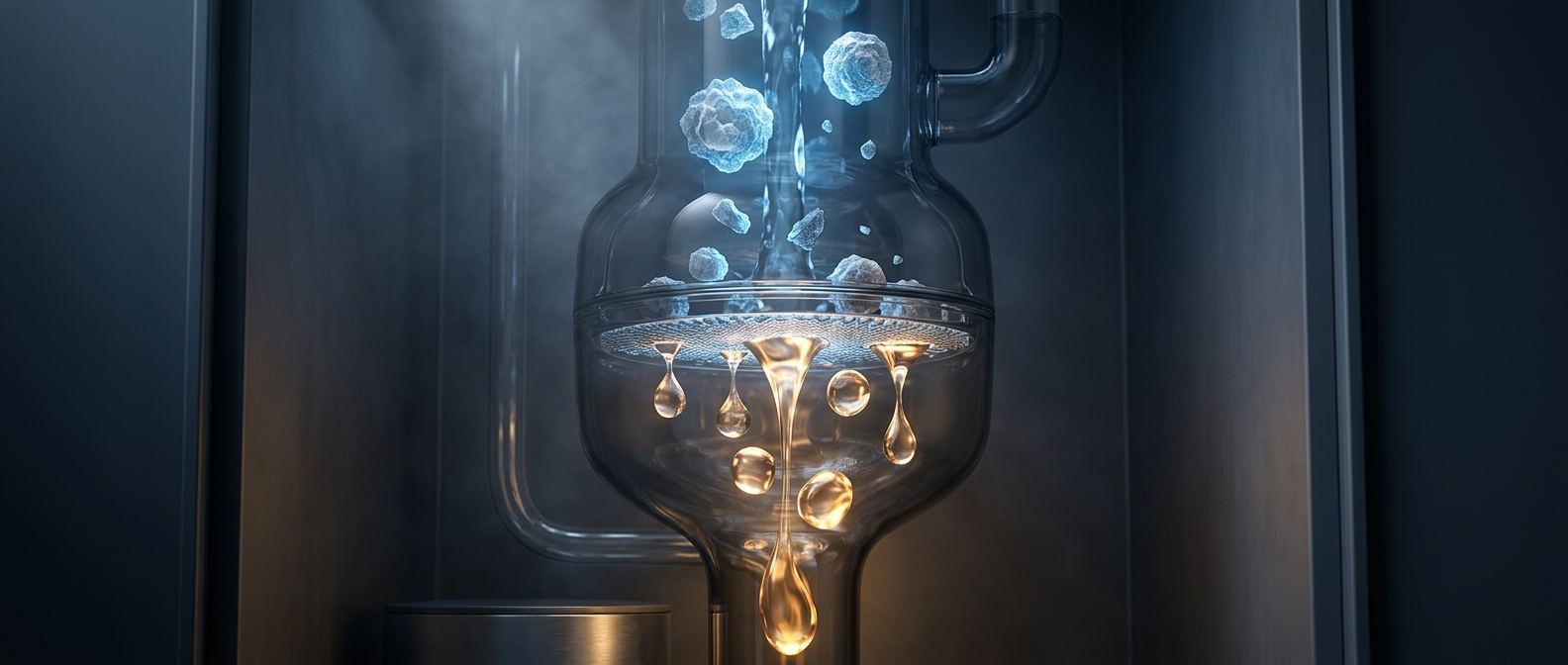
Water softeners replace calcium ions with liquid sodium
Hard water leaves disgusting mineral crusts everywhere, so basements employ an aggressive chemical hostage exchange. Water softeners force the hard water…
Discover more
Centrifuges separate human blood components by density
Spinning blood separates its components by density: heavier red blood cells collect at the bottom of a tube, while lighter, yellowish plasma remains above.
Discover more
Cereal gets its shape from a die and its puff from steam
Hot grain dough is pushed through a shaped opening and cut into pieces. The sudden pressure drop lets moisture expand, puffing the structure. A ring or star…
Discover more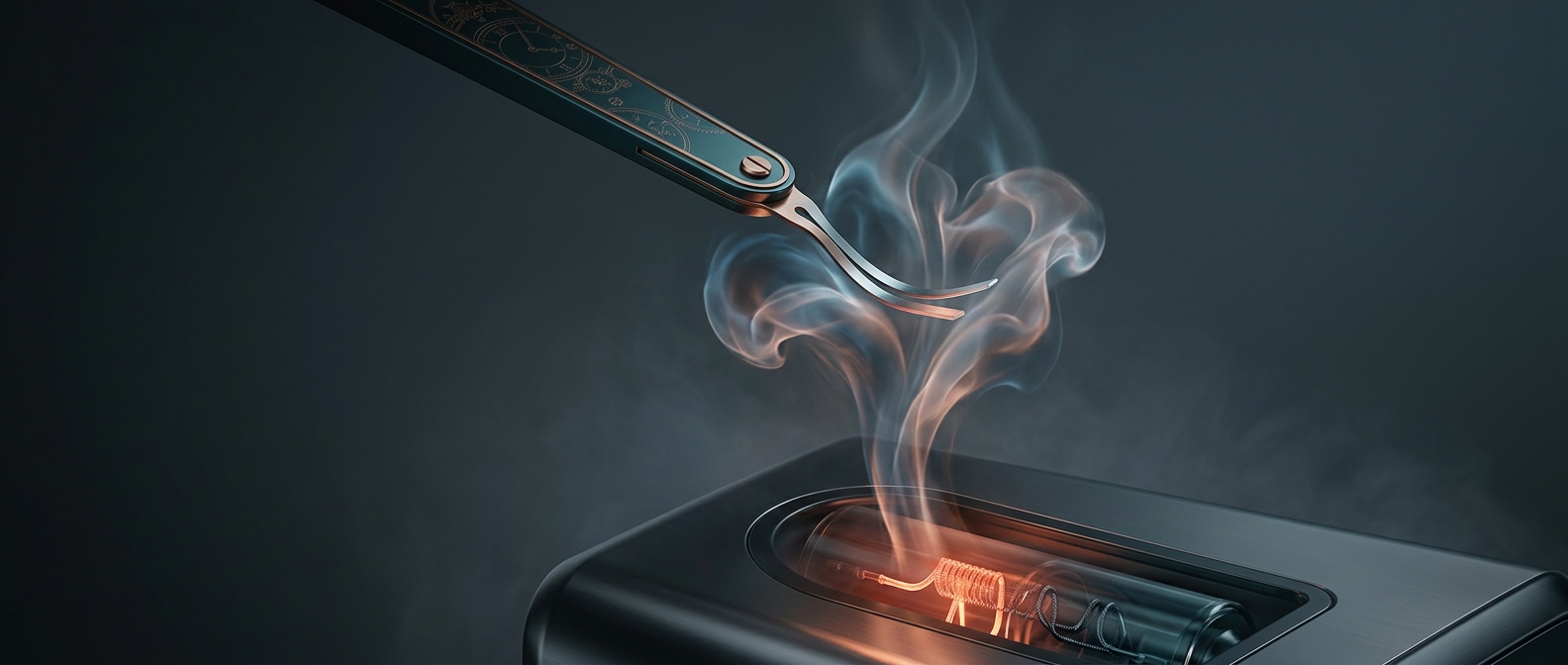
How an electric kettle knows to switch off
When boiling water sends steam through a tube in the handle, it heats a bimetallic strip. The two metals expand differently, bending the strip until it snaps…
Discover more
How rockets keep their nozzles from melting
Before combustion, cold liquid fuel flows through tiny channels in the nozzle walls, absorbing heat before it enters the engine.
Discover more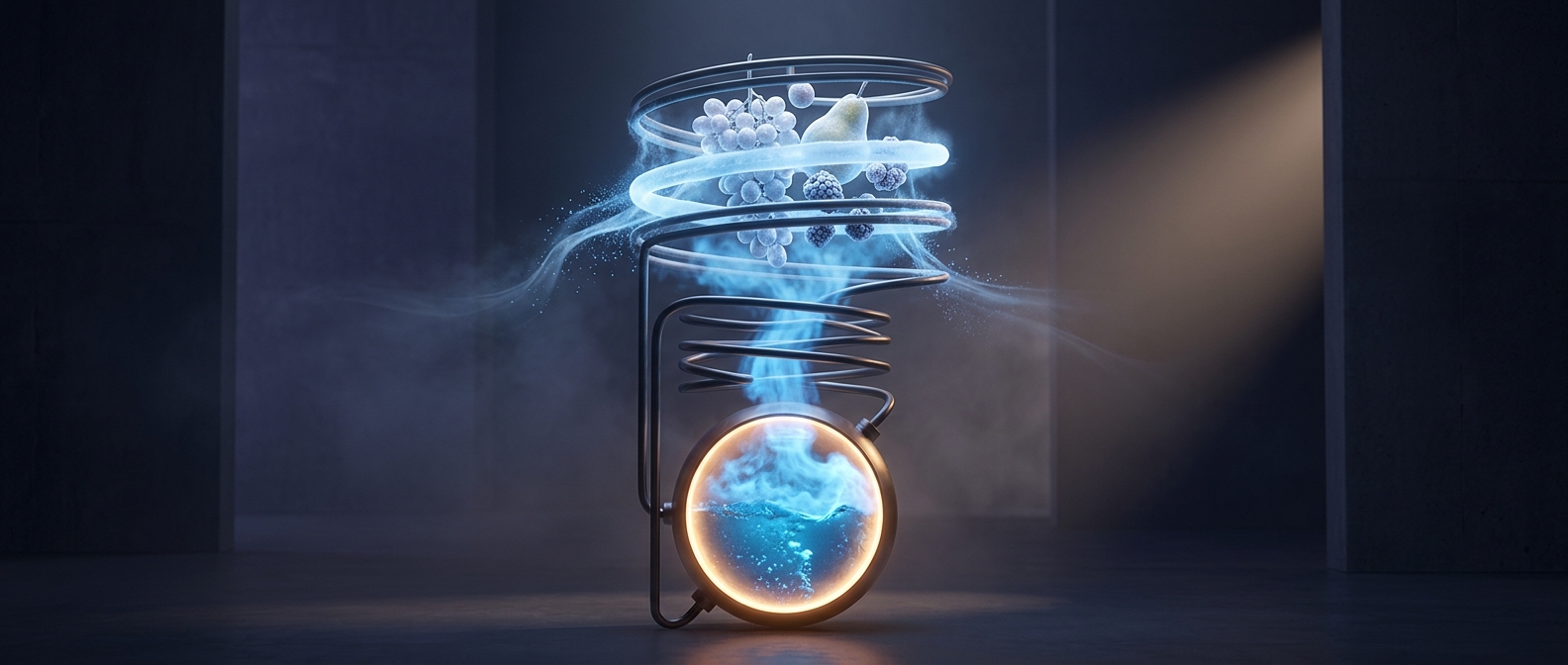
Your refrigerator cools food by boiling liquid
A refrigerant boils at low pressure inside the fridge, absorbing heat from the air and your leftovers. The compressor circulates it through the cooling system.
Discover more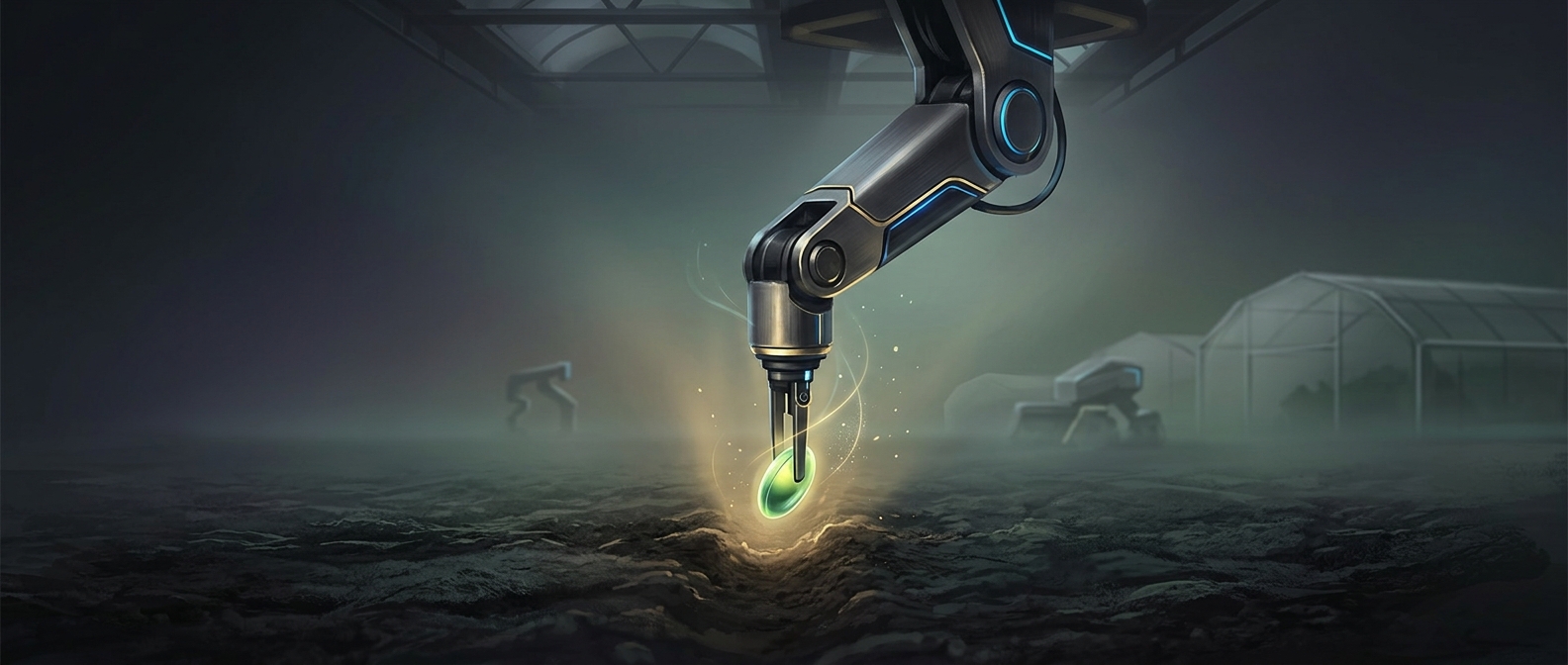
How seed drills plant crops without plowing
Sharp discs open a narrow slit in the soil, place a seed inside, and press the soil back over it—so the drill plants seeds without plowing the whole field.
Discover more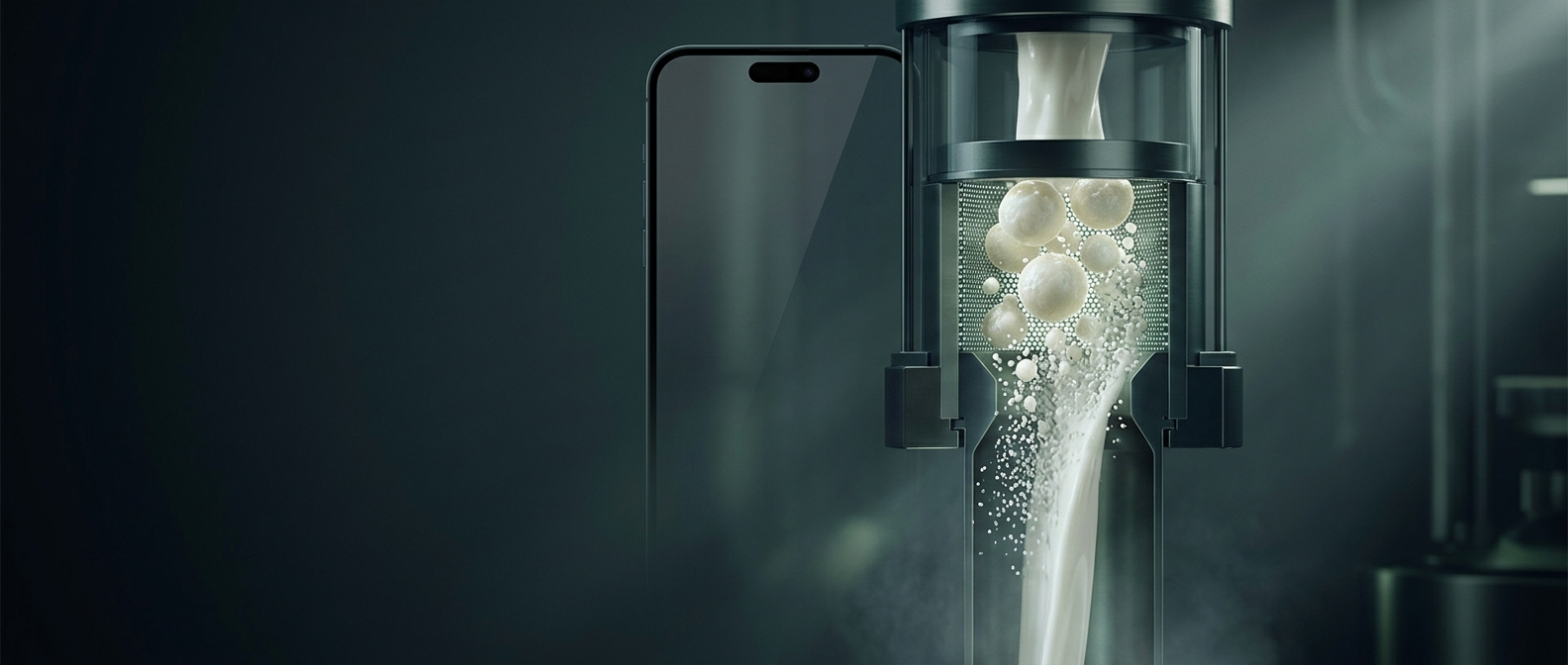
Why milk doesn't separate into cream and water
Homogenization forces milk through tiny openings, breaking fat globules into smaller ones that stay suspended instead of rising into a layer of cream.
Discover more
Diesels squeeze air hot enough to ignite their fuel
Diesel engines ignite fuel by compressing air until it gets hot enough; when fuel is injected, it ignites without a spark plug. That high-pressure combustion…
Discover more