How a tiny change in corneal shape changes vision
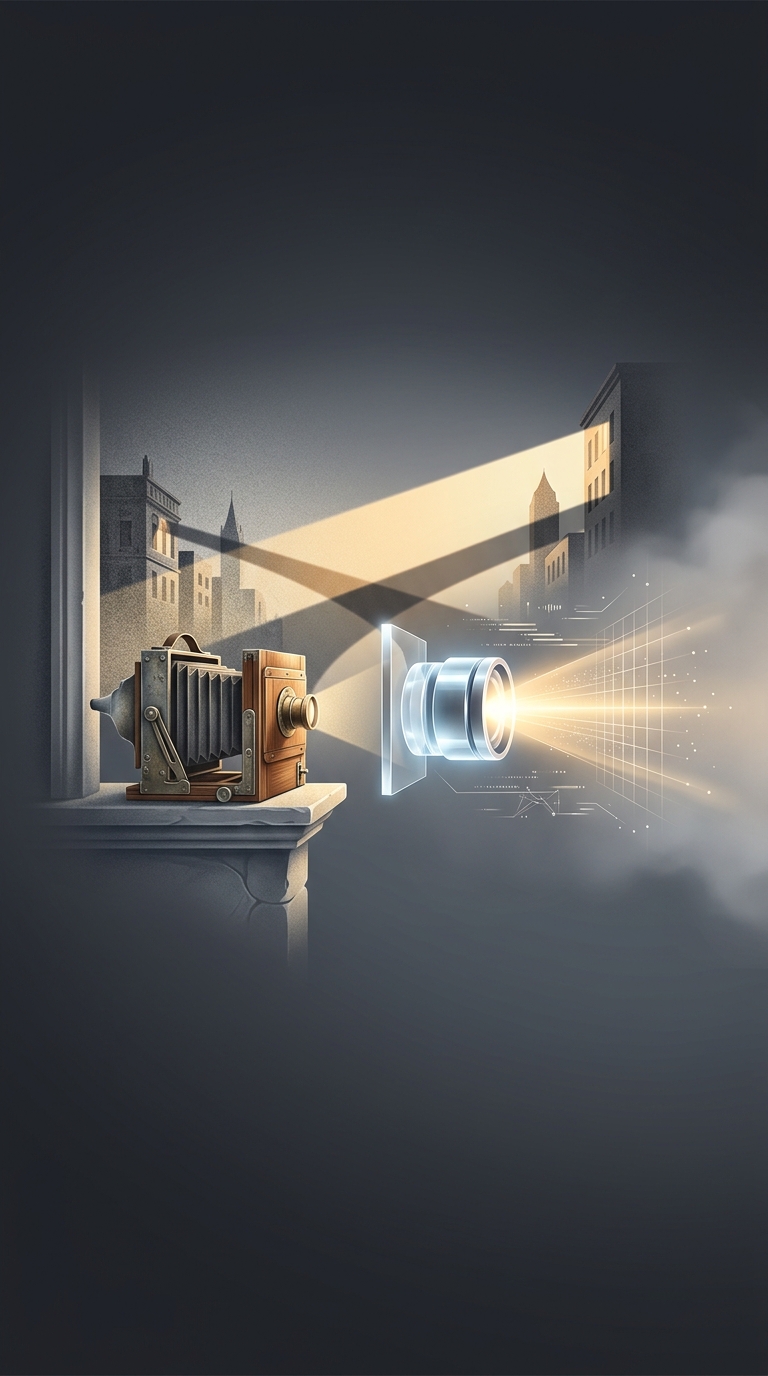
The cornea is the clear front surface of the eye, and its curve helps focus incoming light onto the retina. If that curve focuses light in front of or behind the retina, vision can look blurry. LASIK works by changing the cornea’s shape so light is redirected more accurately.
The surgeon first makes a thin flap in the cornea and folds it back. An excimer laser then removes precisely controlled amounts of tissue from the exposed layer. The pattern depends on the correction needed: removing more from some areas than others changes the curve without replacing the cornea or adding an implant. The flap is laid back in place afterward.
Why the laser smells—and isn’t simply burning tissue
An excimer laser delivers ultraviolet light in brief pulses. The light breaks molecular bonds in the targeted tissue, lifting away extremely thin layers rather than cutting with a blade or heating a broad area. This process is called photoablation: removing material with light.
The tissue released during treatment forms a small plume containing vapor and microscopic particles. Some people notice an acrid odor often compared to something burning. The smell is a byproduct of removing corneal tissue; it does not mean the laser is scorching the eye like a flame.
Precision depends on the eye’s limits
Because the treatment removes tissue permanently, the planned reshaping has to fit the eye’s anatomy and the amount of correction required. The flap must also settle back over the treated surface as the eye heals. That combination—precise removal beneath a repositioned flap—is what lets LASIK alter focusing while leaving the cornea’s outer surface largely intact.