How a CRT turns a signal into light
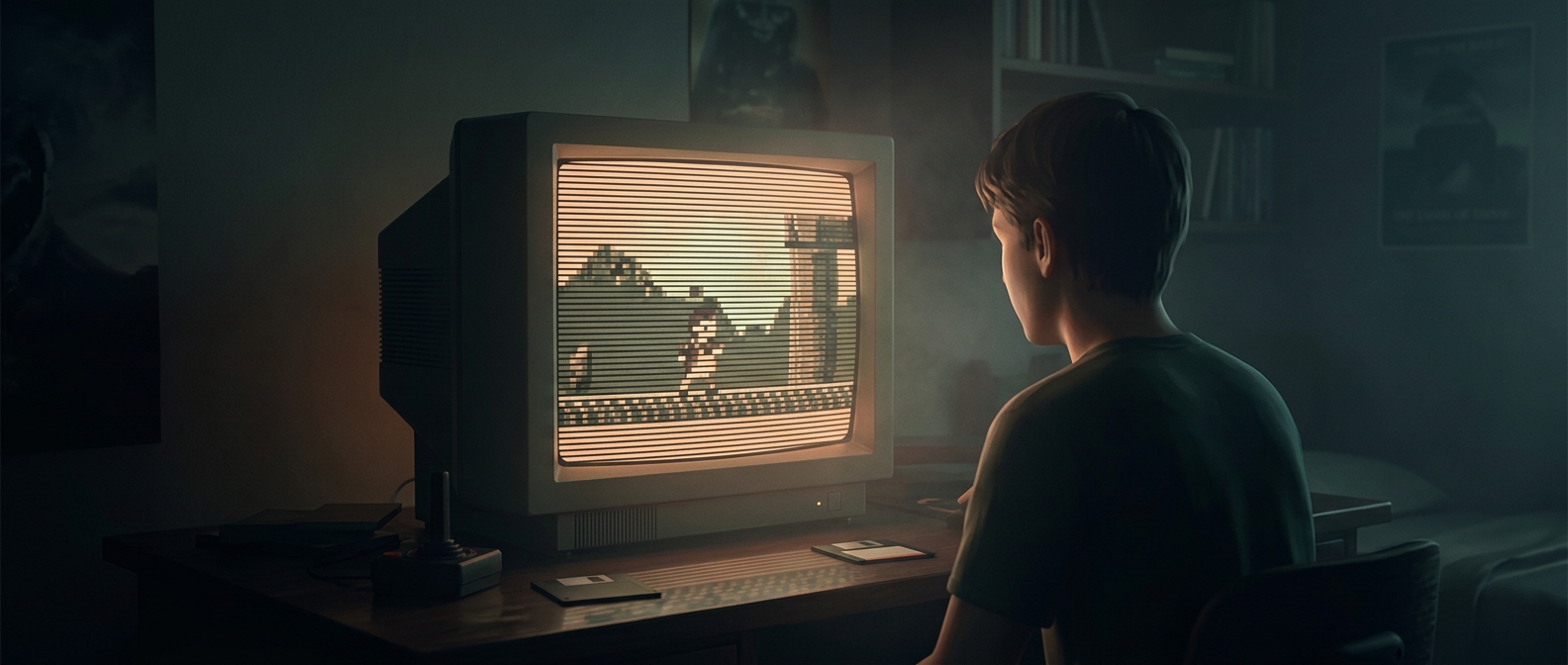
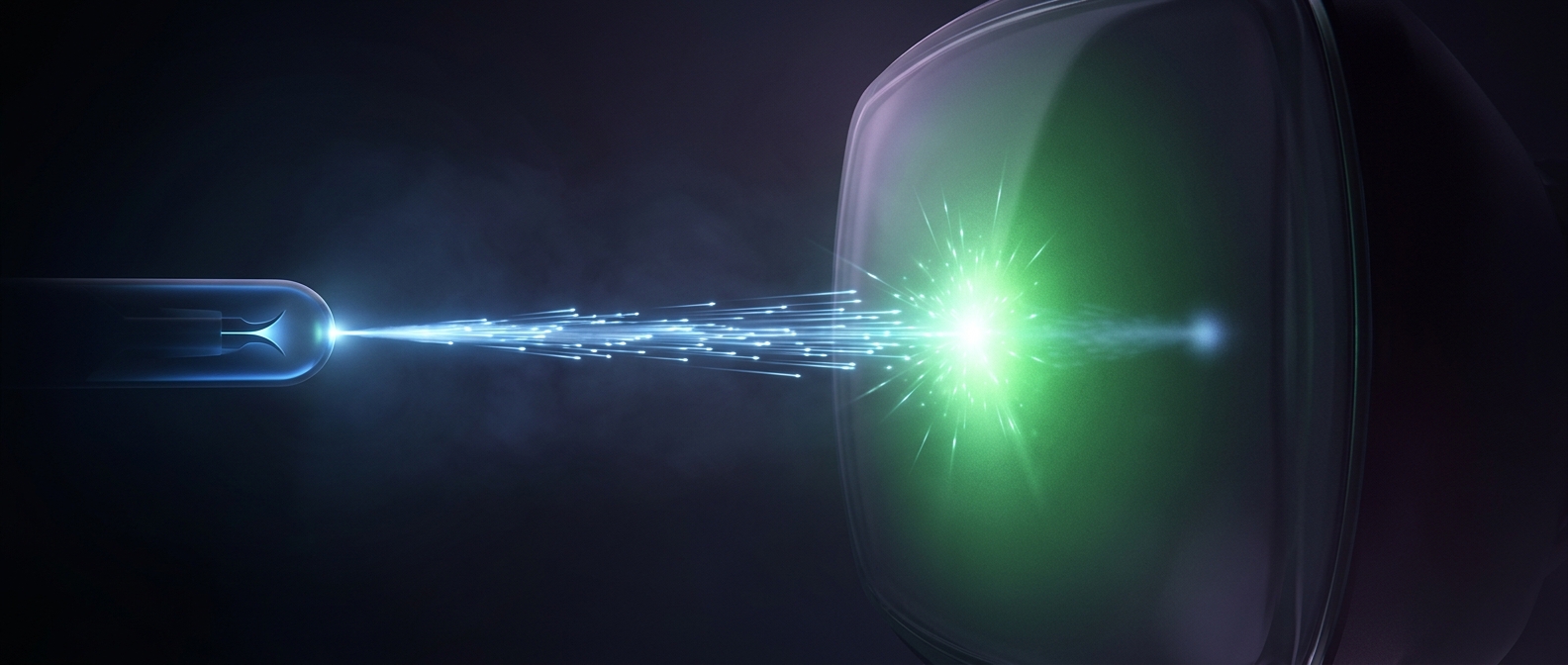
Inside a cathode-ray tube, an electron gun releases electrons into a vacuum and accelerates them toward the screen. Magnetic coils steer the beam, while focusing controls keep it narrow enough to make a sharp spot. The inside of the glass face is coated with phosphor, a material that glows when struck by electrons.
The picture is drawn as a raster: a repeated sweep across the screen, moving from one row to the next. As the beam travels, the incoming video signal changes its intensity. A stronger or weaker beam makes each point on the phosphor glow brighter or dimmer, turning a stream of electrical changes into a pattern of light.
Why the picture has to be redrawn
The phosphor’s glow fades, so the beam must sweep the screen again and again to keep the image visible. The rapid repetition makes separate passes blend into a steady picture to the eye. It also means the beam is not painting the whole screen at once: each instant lights only a small spot, with the complete image assembled through precise timing.
Color CRTs add another layer of control. Their screens contain tiny red, green, and blue phosphor areas, and the tube directs separate beams toward them. By varying how strongly each phosphor glows, the display combines the three primary colors into the colors seen on screen. The familiar image is therefore not a sheet of light switched on all at once, but a carefully steered beam continually rebuilding it.