The pattern is a record of light’s meeting
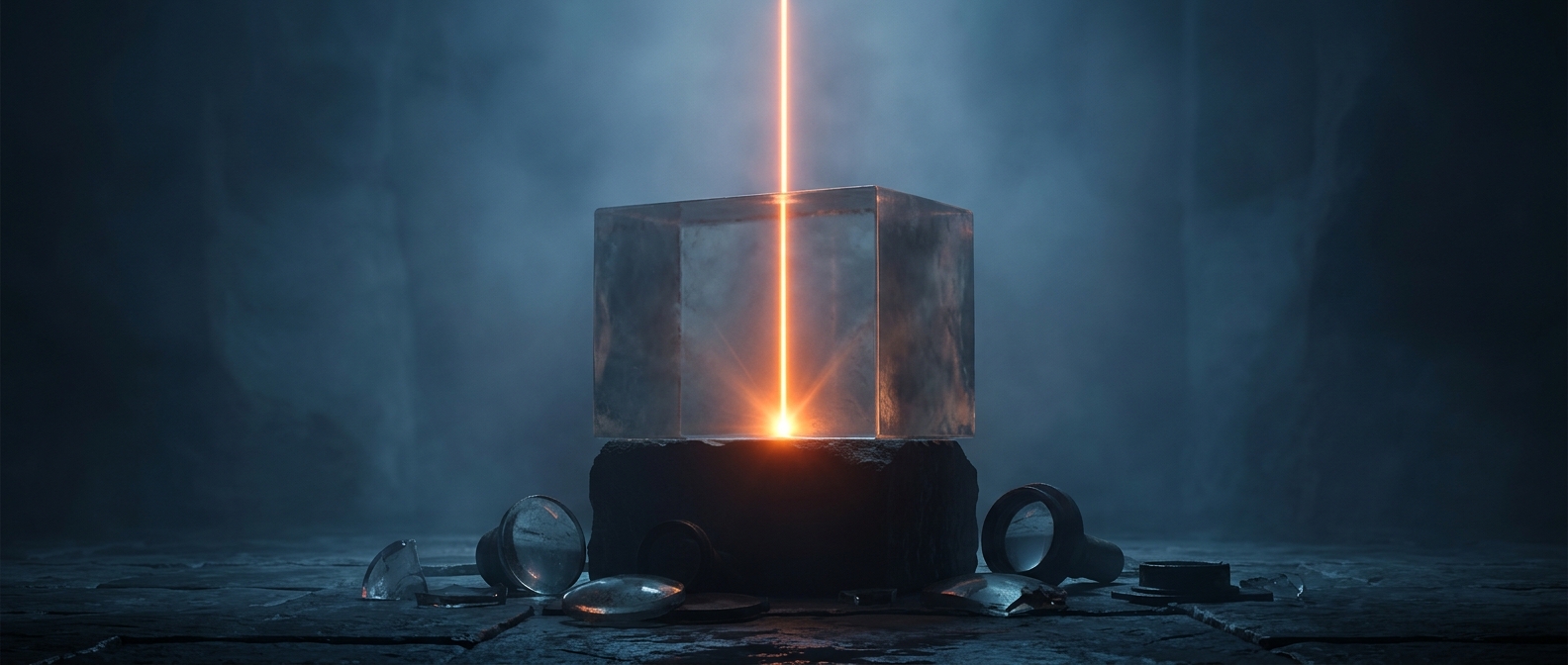
A photographic hologram does not store a miniature picture of an object. During recording, one laser beam illuminates the object and reflects toward a photosensitive plate; a second, reference beam reaches the same plate directly. Where the two waves overlap, their peaks and troughs reinforce or cancel one another, creating a fine pattern of bright and dark bands called interference fringes.
Those fringes are far too small and numerous to resemble the object to the naked eye. Their shape depends on how the object’s reflected light arrived at the plate, including differences in direction and phase—the position of a wave in its cycle. The developed plate therefore preserves information about the light wave, not just a flat outline or a set of colors.
How the plate rebuilds a view
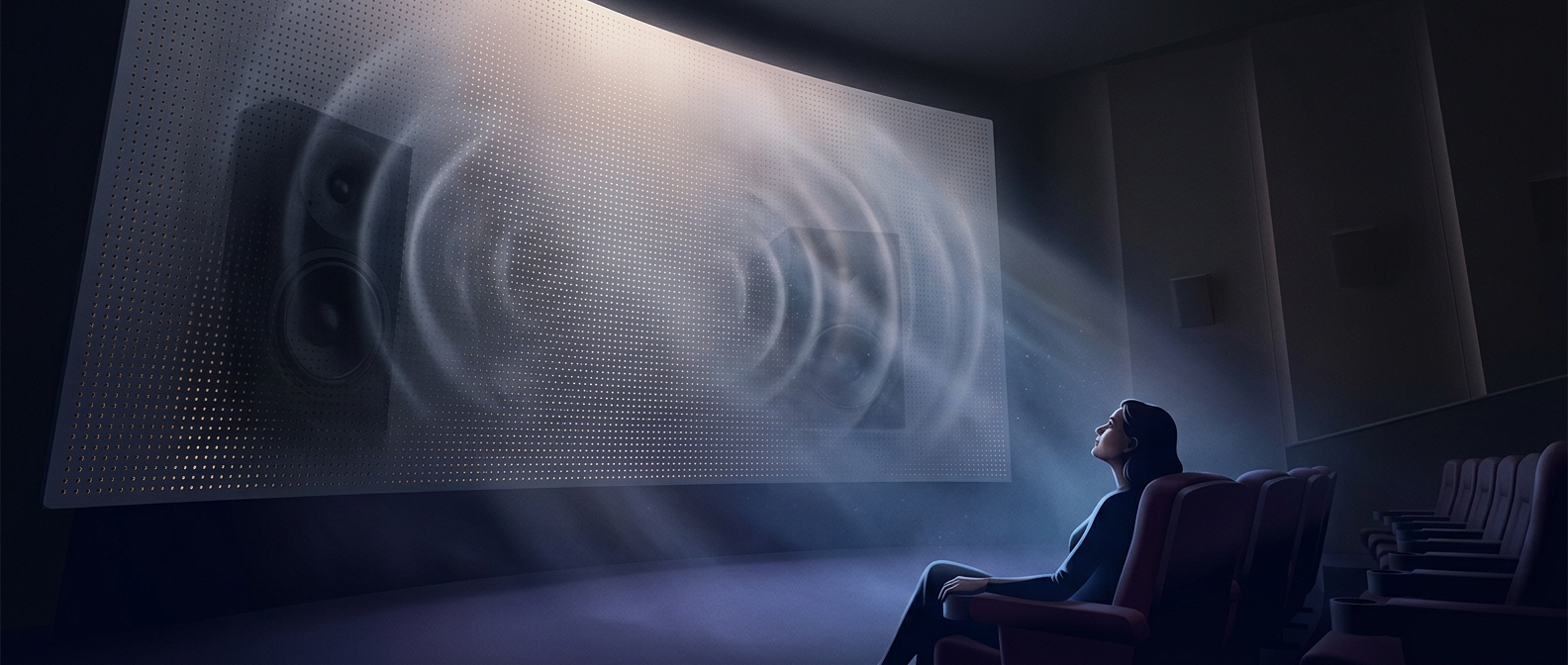
When suitable light shines through or reflects from the pattern, the fringes bend and redirect it by diffraction. The reconstructed light spreads as though it had come from the original object. Move your head, and the angle of the light reaching your eyes changes, revealing a different view; that shifting perspective is what gives the image its apparent depth.
The effect depends on the pattern’s microscopic detail and on how the hologram is illuminated. A reconstruction may look best with light resembling the original reference beam, though some hologram designs can be viewed under ordinary white light. In either case, the glass is not projecting a tiny object into space: it is steering light so your eyes receive the changing viewpoints that an object would have produced.