How a jukebox finds the chosen song
Inside a traditional jukebox, song selection begins as a mechanical instruction. Pressing a combination of buttons completes an electrical circuit, telling the machine which record to retrieve. The selection is stored in a simple control mechanism—often a set of relays or pins—that coordinates the pickup arm with the record rack.
From rack to turntable
The records sit in slots around a carousel or in an upright magazine. A motor moves the rack until the selected disc is in position. Then a gripping arm, sometimes called a record-handling arm, pulls the disc free and carries it to the turntable. The mechanism has to control the record’s orientation and speed: a careless drop could damage the disc or leave it off-center, making the music wobble.
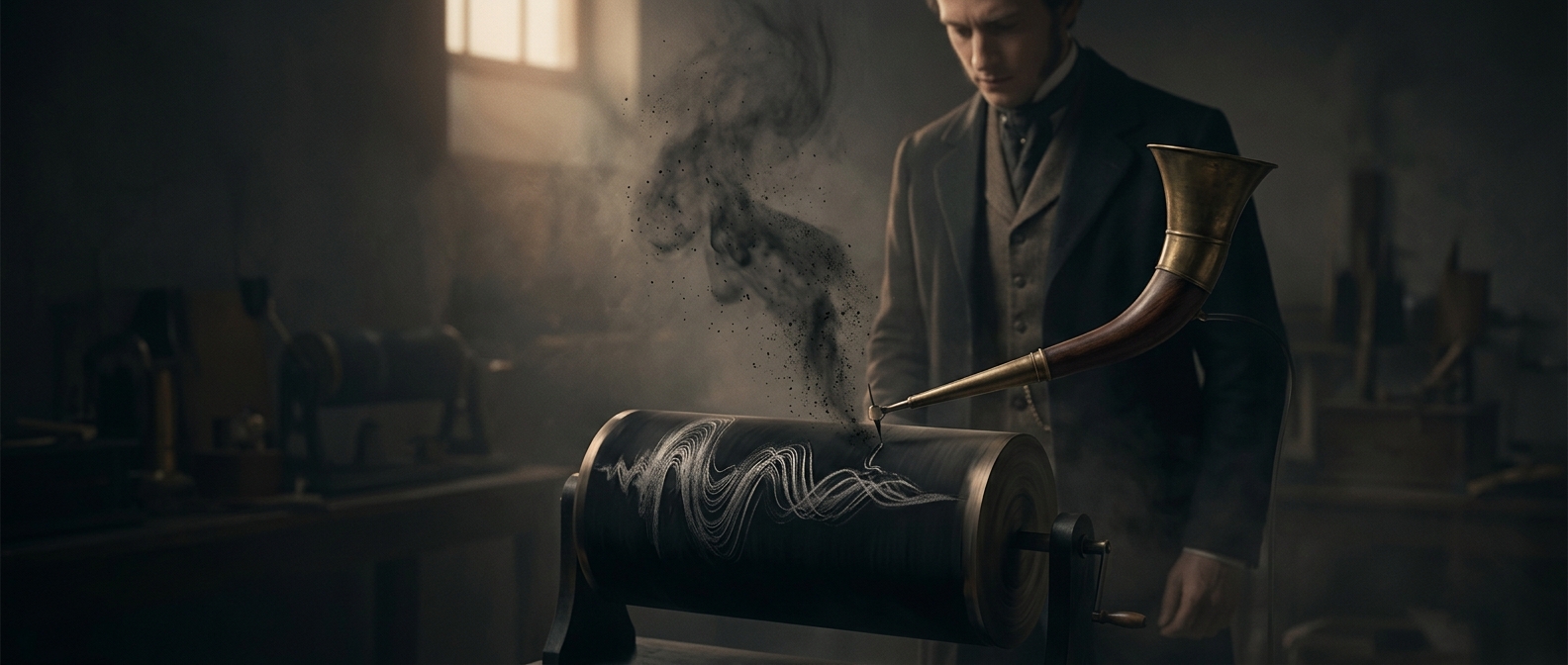
Once the record is seated, a tonearm lowers its needle, or stylus, into the groove. Tiny changes in the groove move the stylus and are converted by a cartridge into an electrical audio signal, which the jukebox amplifies and sends to its speakers. When the side ends, the machine lifts the tonearm and returns the record to its slot, ready for another selection.
Why the machinery mattered
This sequence let one cabinet offer many records without a person changing them by hand. It also made the jukebox a compact electromechanical system: buttons and circuits decided what should play, while motors and carefully timed arms did the physical work. The sound came from a groove, but the machine’s distinctive trick was getting the right disc from storage to needle—and back again—on its own.