Why GIF Has a Soft-G Pronunciation
GIF stands for Graphics Interchange Format, a name for a digital image format introduced by CompuServe in 1987. Its creator, Steve Wilhite, intended the first letter to sound like the “g” in “giant,” making the word rhyme with “Jif.” The peanut-butter comparison is memorable, but the pronunciation was a choice—not a rule built into the acronym.
An Acronym Becomes a Word
Acronyms do not always follow one pronunciation pattern. Some are spoken as a string of letters; others become words, and their sounds can vary. With GIF, the spelling invites a hard-G reading, as in “gift,” while the soft-G version follows familiar English patterns in words such as “giraffe.” Neither spelling nor expansion settles the matter on its own.
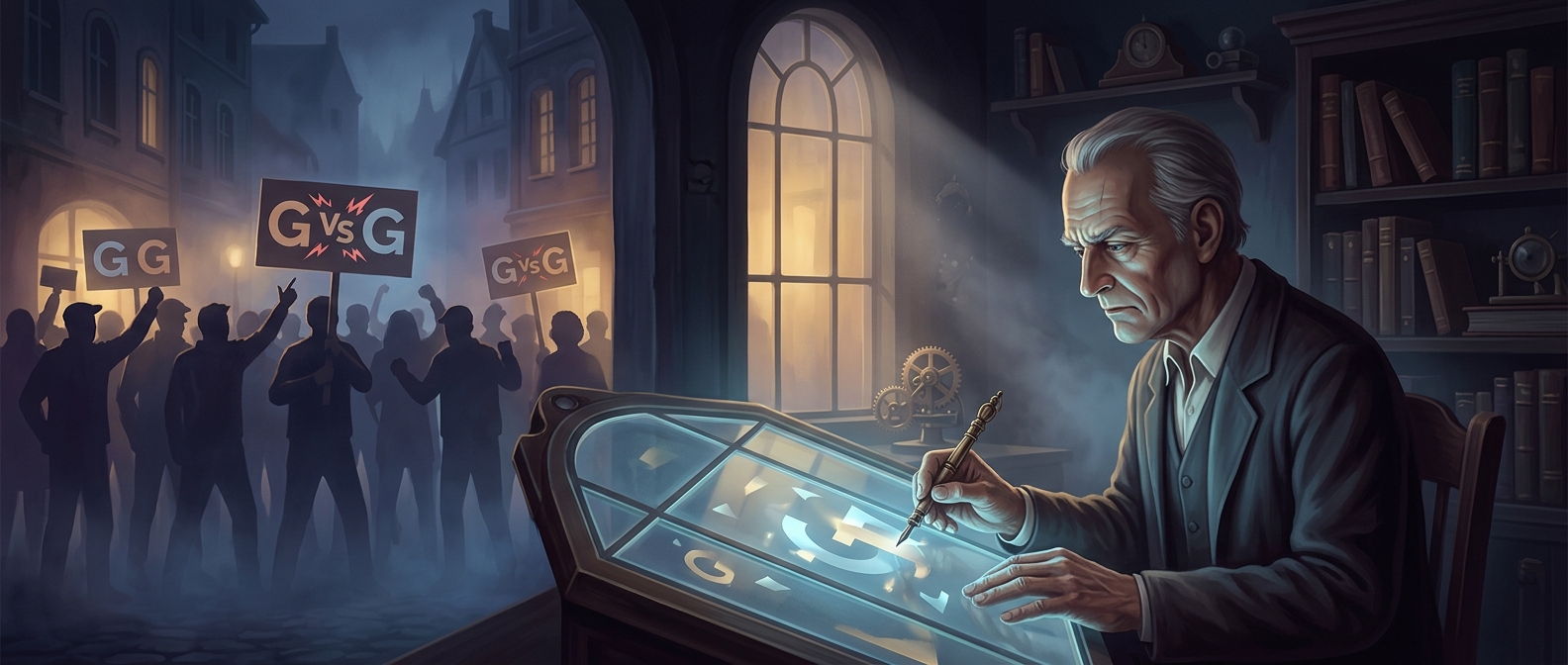
The format’s role helped the name travel far beyond its original setting: GIFs became a familiar way to share compact images and short animations online. As millions of people encountered the word in writing, many settled on the hard G, and that pronunciation became widespread even though Wilhite preferred the soft one.
Why the Debate Stuck
The disagreement is a small reminder that language is shaped by both intention and use. A creator can explain how a name was meant to sound, but once a word spreads, speakers may establish another convention. So GIF carries two pronunciations—and an unusually durable argument over which one sounds right.