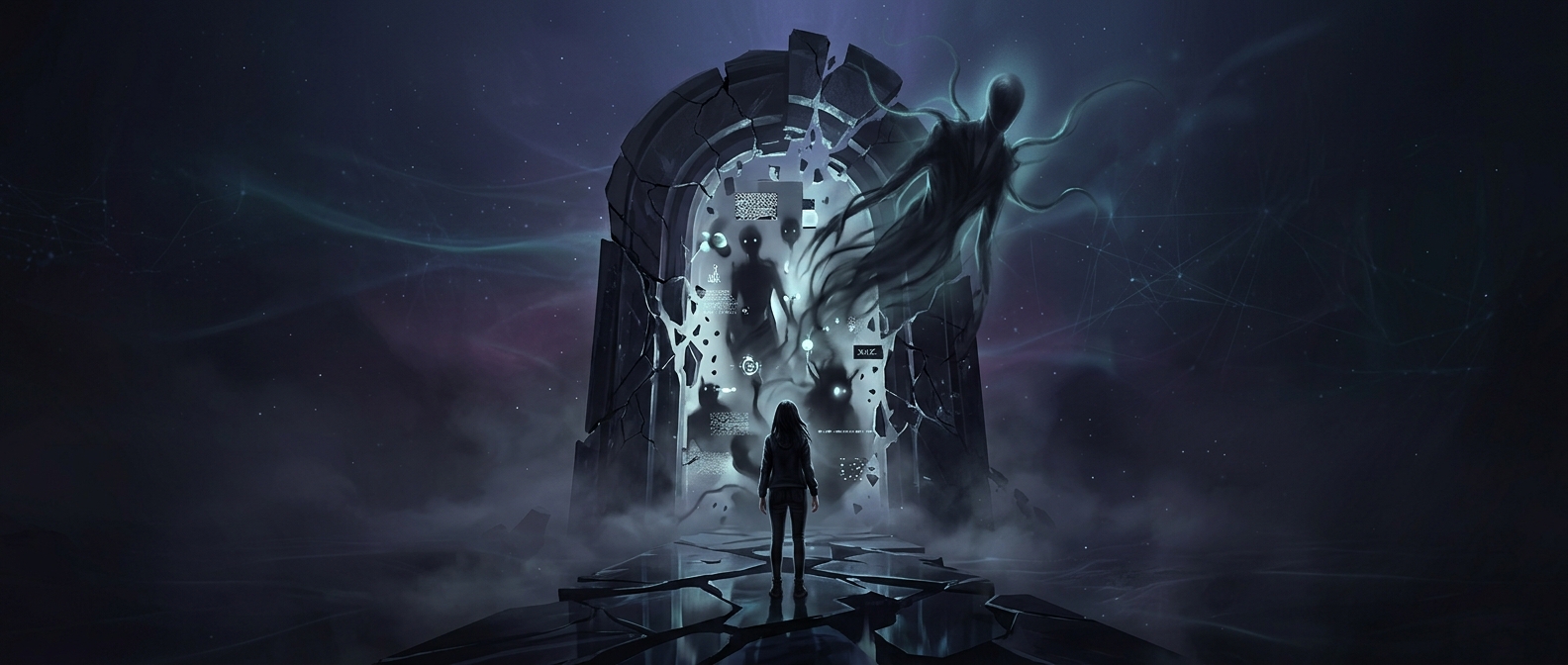
Why message boards suited ghost stories
Anonymous message boards changed the conditions under which a ghost story could spread. A writer did not need a publisher, a byline, or even a stable identity: they could post a tale directly into a thread where readers were already swapping frightening experiences. Other users could add details, challenge the account, or repost it elsewhere, making the story feel less like a finished piece of fiction and more like something still being uncovered.
That format also blurred a familiar boundary. Online, a first-person account could look much like an ordinary post, and anonymity made it difficult to check who had written it or why. A story presented as a report of something strange could therefore travel without the signals that usually label a work as fiction—such as a book cover, an author’s name, or a clear genre description.
How a made-up tale could acquire a real-world life
Once a story was copied beyond its original thread, it could lose the context that identified it as invented. Reposts might preserve its vivid details while dropping the original discussion, leaving later readers with a more self-contained account. Repetition could then serve as a misleading kind of evidence: the same tale appeared in multiple places, even though those appearances traced back to one story rather than independent witnesses.
The internet did not invent the ghost story, but it made authorship and context unusually easy to detach from one. When a fabricated account reached mainstream media, its online circulation could make it seem established before anyone had traced where it began. That is the key shift: the web turned a ghost story from something passed along as fiction into something that could circulate, briefly, as apparent testimony.