Why the vapor has a different mix
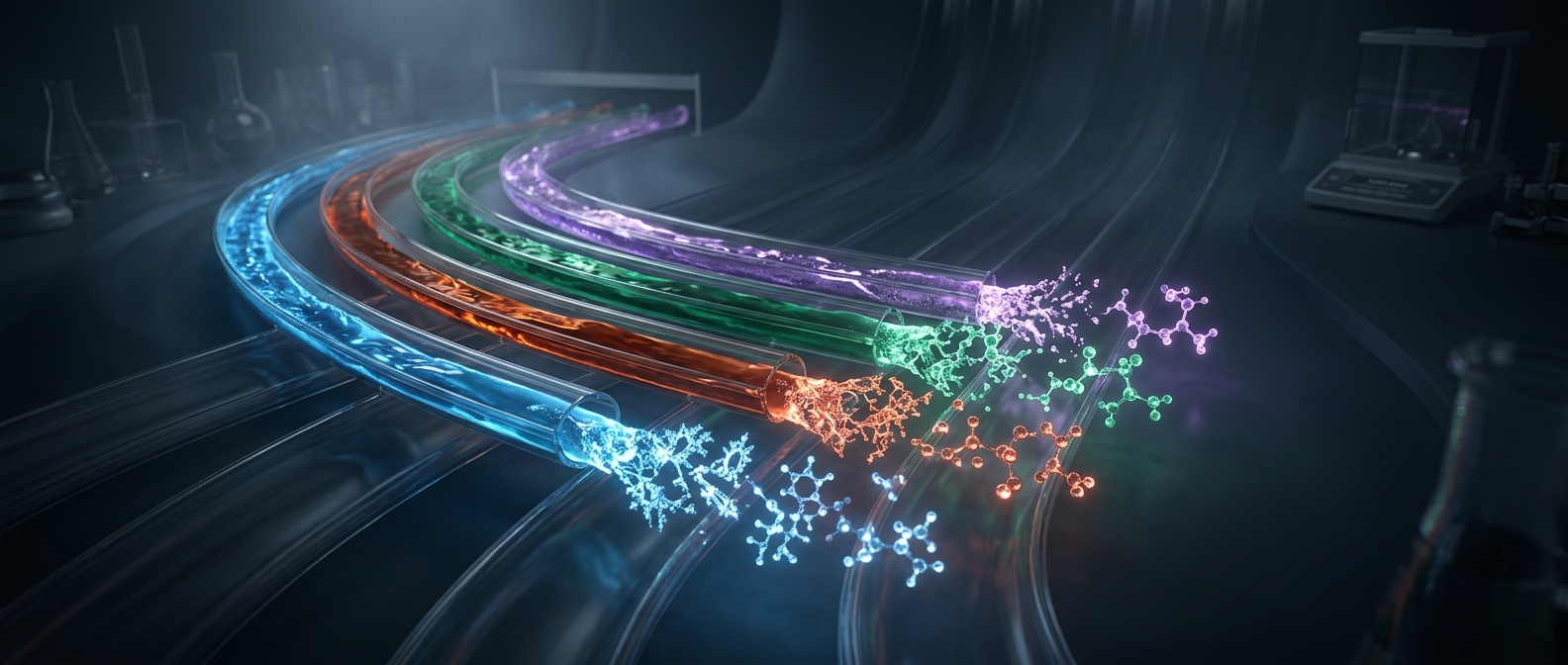
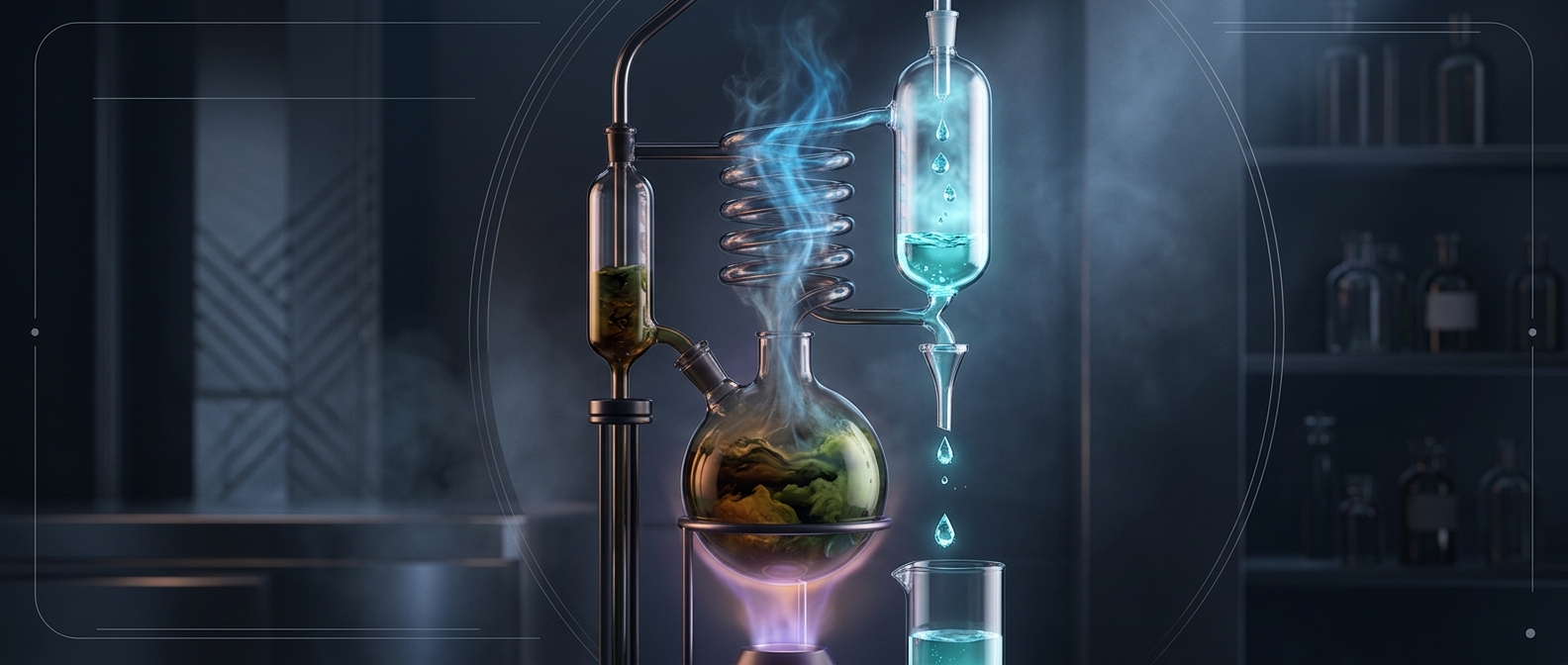
In a liquid mixture, molecules are constantly escaping from the surface into the space above it. Molecules that enter the vapor readily are called more volatile. When the mixture is heated, its vapor usually contains a higher proportion of those molecules than the liquid left behind. Distillation takes advantage of that difference; it does not simply make each ingredient boil away at its own separate temperature.
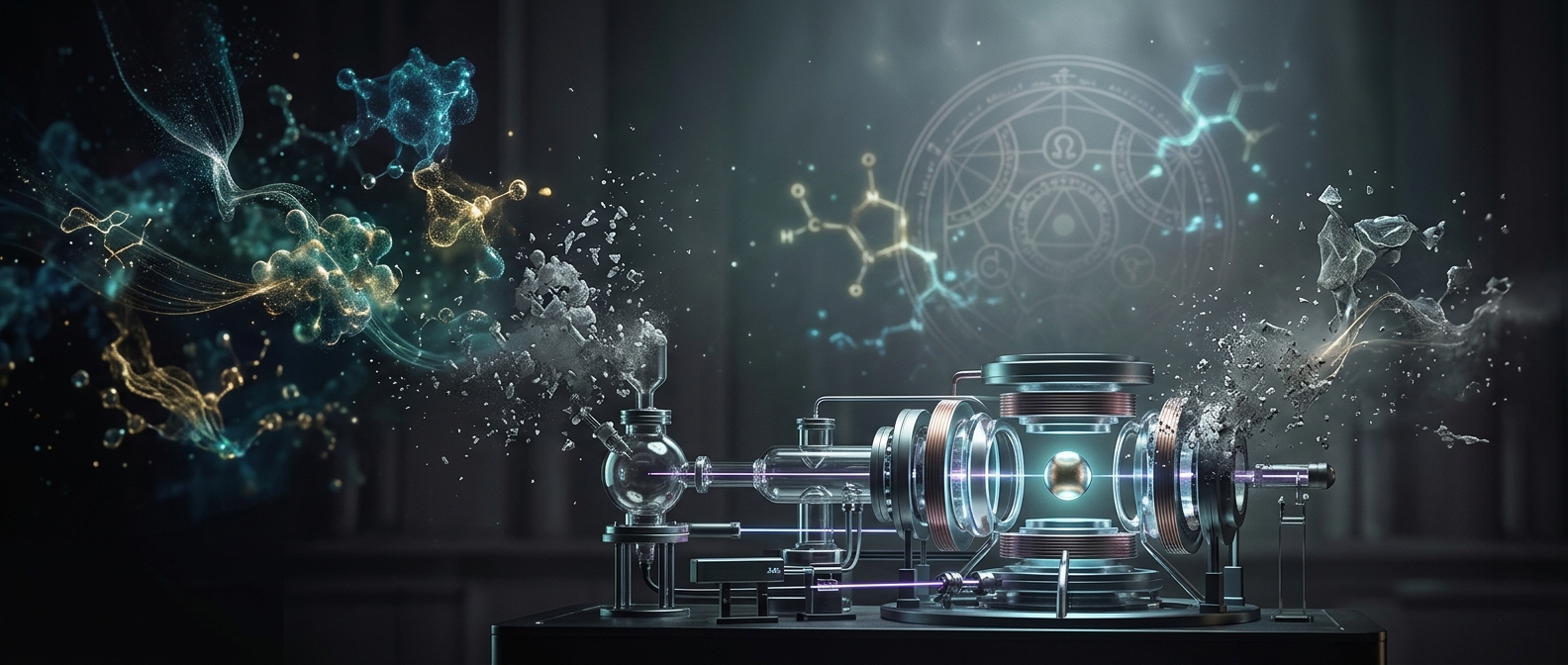
The vapor is guided into a cooler part of the apparatus, where it loses heat and condenses on a surface. The resulting liquid, called the distillate, is therefore enriched in some components—but it is not necessarily pure. How much its composition changes depends on how different the components’ volatilities are and how the equipment is run.
How one pass becomes many
For liquids with similar volatilities, a single evaporation-and-condensation step may separate them only slightly. A fractionating column improves the separation by giving vapor repeated chances to condense and re-evaporate as it rises. Each cycle tends to send the more volatile components upward while returning more of the less volatile material downward. This is why a tall, well-designed column can produce a sharper separation than a simple still.
The same tradeoff appears in whiskey-making. Distillers collect particular portions of the condensed spirit, balancing the desired alcohol and aroma compounds against less desirable or overly intense components. The result depends not just on the ingredients, but on the still’s design and the choices made during the run. Distillation is thus both a separation method and, in a craft setting, a way to shape what ends up in the glass.