From divine descent to digital presence
The Sanskrit word avatāra means a “descent”: a deity taking form in the world. In Hindu traditions, the idea is especially associated with Vishnu, who is said to appear in different forms to restore order. An avatar is therefore more than a picture of a god; it is a way for a divine presence to act within the human world.
A body for someone who is elsewhere
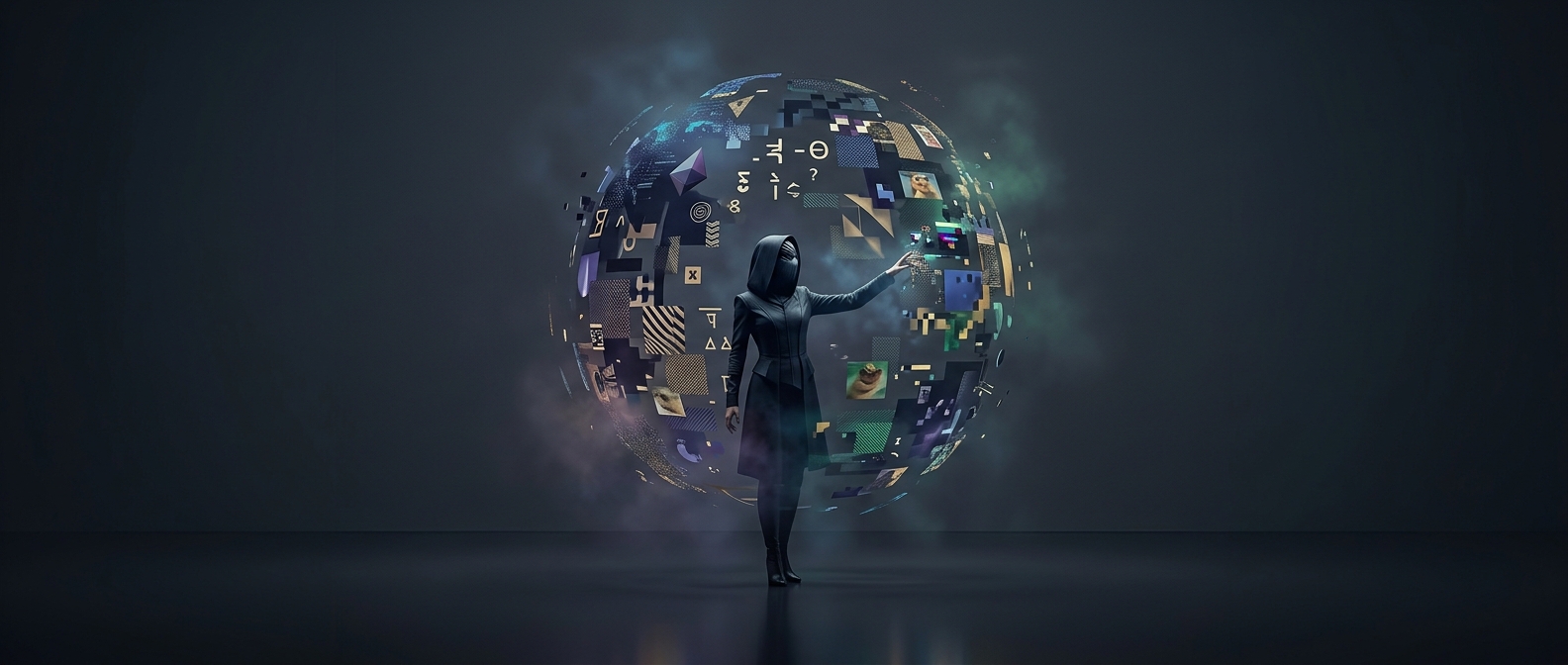
Digital culture borrowed the word for a similar practical role. In a virtual space, an avatar is the figure or representation through which a person appears and acts. It might be a detailed character in a game or a simple icon beside a username. In either case, it gives other people something visible to respond to while its user remains physically elsewhere.
The connection is not that a digital character is literally divine. It is that both meanings involve presence through another form: a being becomes recognizable and active in a world by appearing there in a particular shape. That old idea of embodiment now describes how people meet and move through online spaces.