Why a Quiet Corner Can Beat a Fast Push
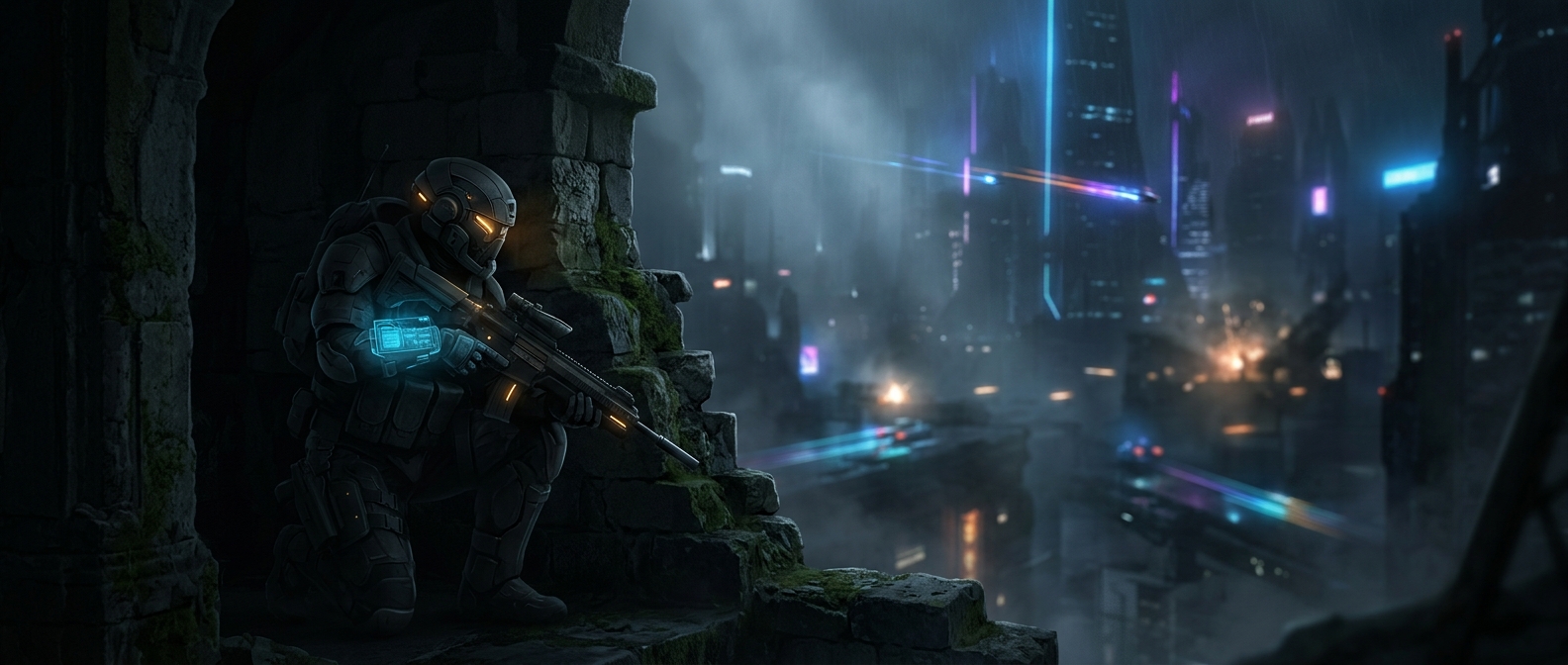
A battle royale rewards more than winning a clean firefight. Staying alive can improve a player’s chance of reaching the final stages, so a position that avoids risk may be valuable even if it produces no immediate action. Camping turns that incentive into a tactic: instead of searching for opponents, a player waits where others are likely to pass.
The advantage comes from who has to make the first move. A player crossing a doorway or entering a room must divide attention among threats, routes, and possible hiding places. Someone already tucked out of sight can watch a narrower approach and choose when to reveal themselves. If the game makes footsteps or other movement cues audible, waiting can also let the camper hear an approaching player before being spotted.
The Trade-Off Behind the Tactic
That edge depends on the spot remaining useful. Battle royale maps typically force players to move as the playable area changes or contracts. A hiding place can become exposed, fall outside the safe area, or leave its occupant with too little time to relocate. Staying put also means giving up chances to collect equipment or control better ground.
A camper’s position may be predictable, too. Once opponents know where someone is waiting, they can approach more carefully, use cover, or avoid the area. The tactic is strongest when the camper has a clear reason to expect traffic and an escape route if the situation changes.
This is why the style can feel unfair while still making sense within the game’s incentives. The person rushing accepts uncertainty in exchange for progress; the person waiting trades initiative for information and a chance to strike first. If survival matters more than constant action, patience is not merely inactivity—it is a way of making the other player take the risk.