Why a bike frame is shaped like a wing
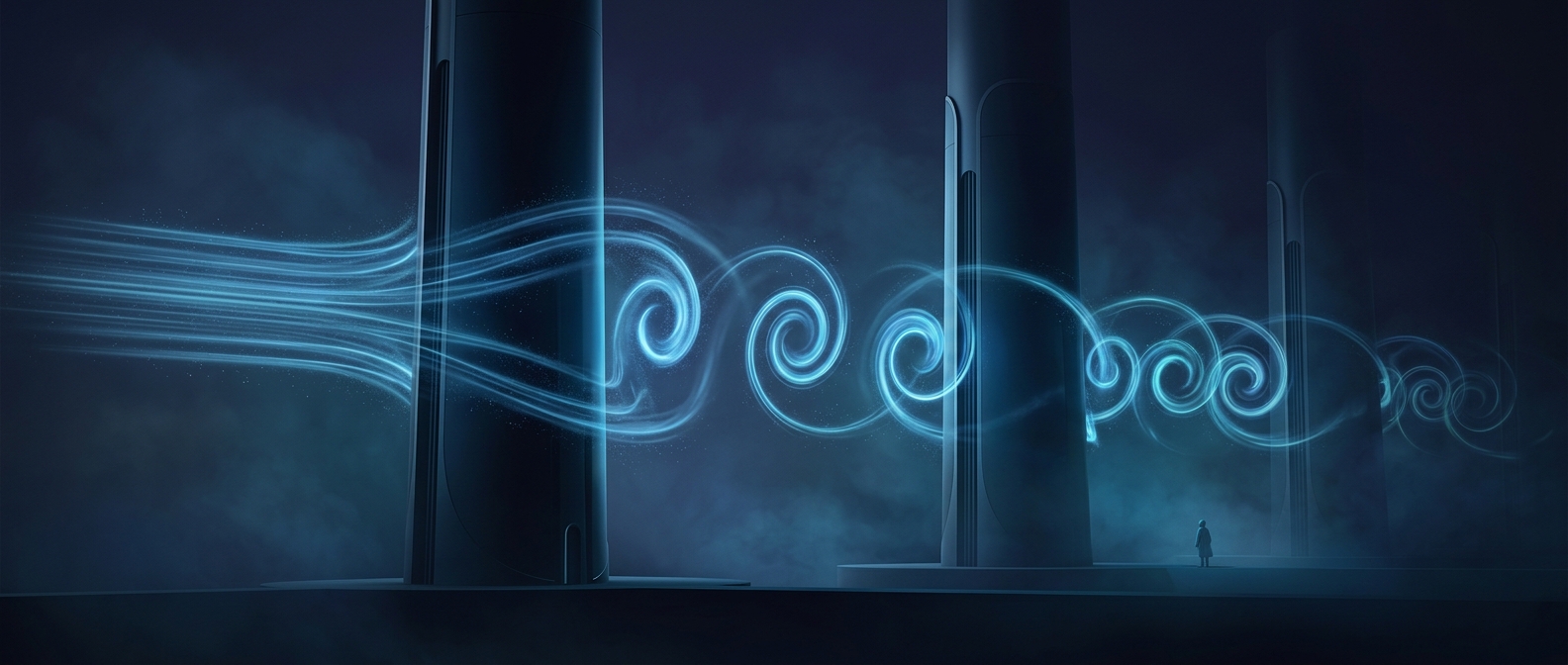
At racing speeds, air is a meaningful obstacle. As a bicycle moves forward, it must push air aside; the air then swirls behind the frame and creates a low-pressure wake that pulls backward. That backward force is drag, and the rider must spend energy overcoming it.
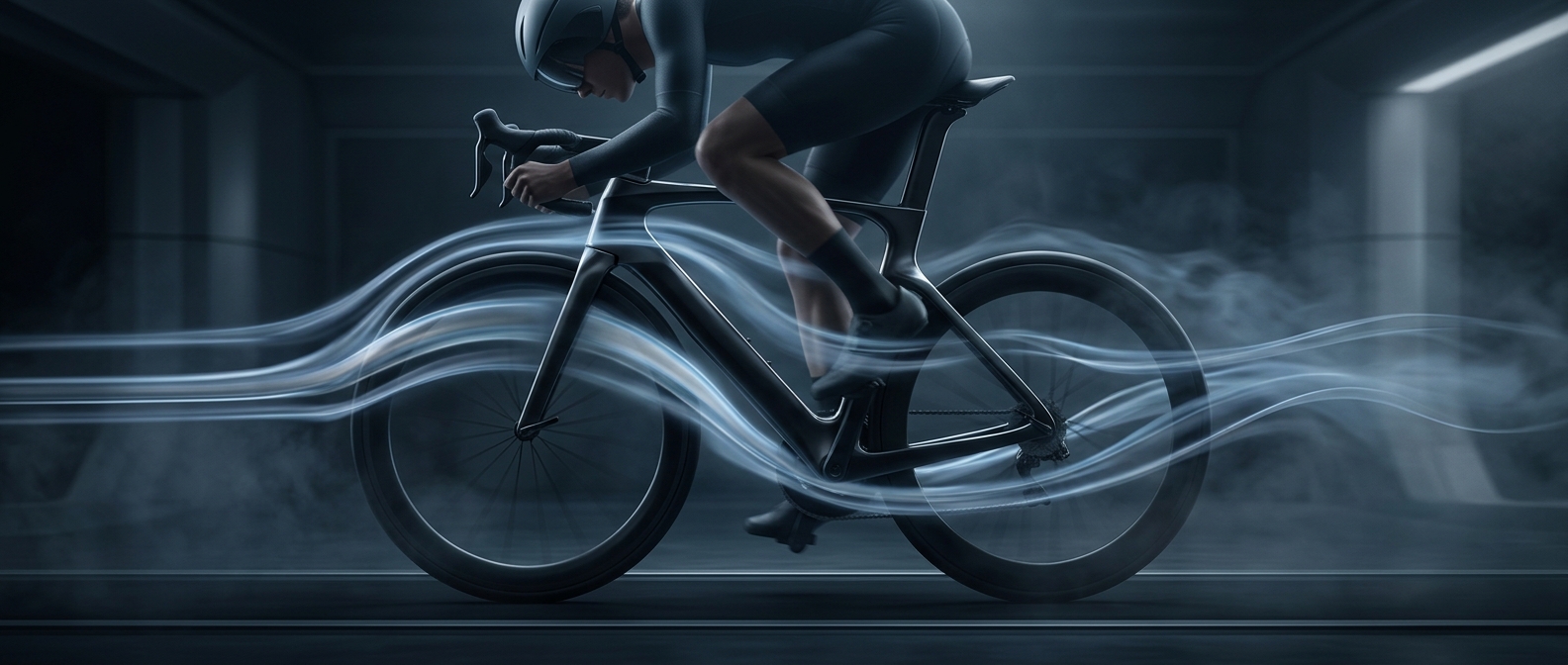
Round tubes let air separate abruptly from their surfaces, leaving a relatively broad, turbulent wake. Flattened or teardrop-like tubes can guide airflow farther along the frame before it breaks away. A smaller wake means less pressure drag. The shape borrows a principle from aircraft wings, but it is adapted for a bike: a frame tube must work in changing wind, fit together with other tubes, and remain strong enough to carry a rider’s weight and pedaling forces.
Small savings add up over a race
A frame is only one part of the bicycle’s total aerodynamic resistance. The rider’s body is usually a much larger obstacle, so position, clothing, wheels, and helmet also matter. Still, frame tubes sit directly in the airflow, and reducing their drag can mean that a rider needs slightly less power to hold the same speed—or can go faster for the same effort.
The benefit is especially relevant on a long, fast course, where air resistance consumes substantial effort. Saving a little energy at each moment can preserve more of a rider’s capacity for later in the race. The tradeoff is that aggressively shaped tubing can add design and manufacturing constraints, and aerodynamic gains depend on the angle and speed of the incoming air. The aim is not to make every tube as thin as possible, but to shape it so air lets go later without compromising the bicycle’s structure.