How a Safety Valve Senses Too Much Pressure
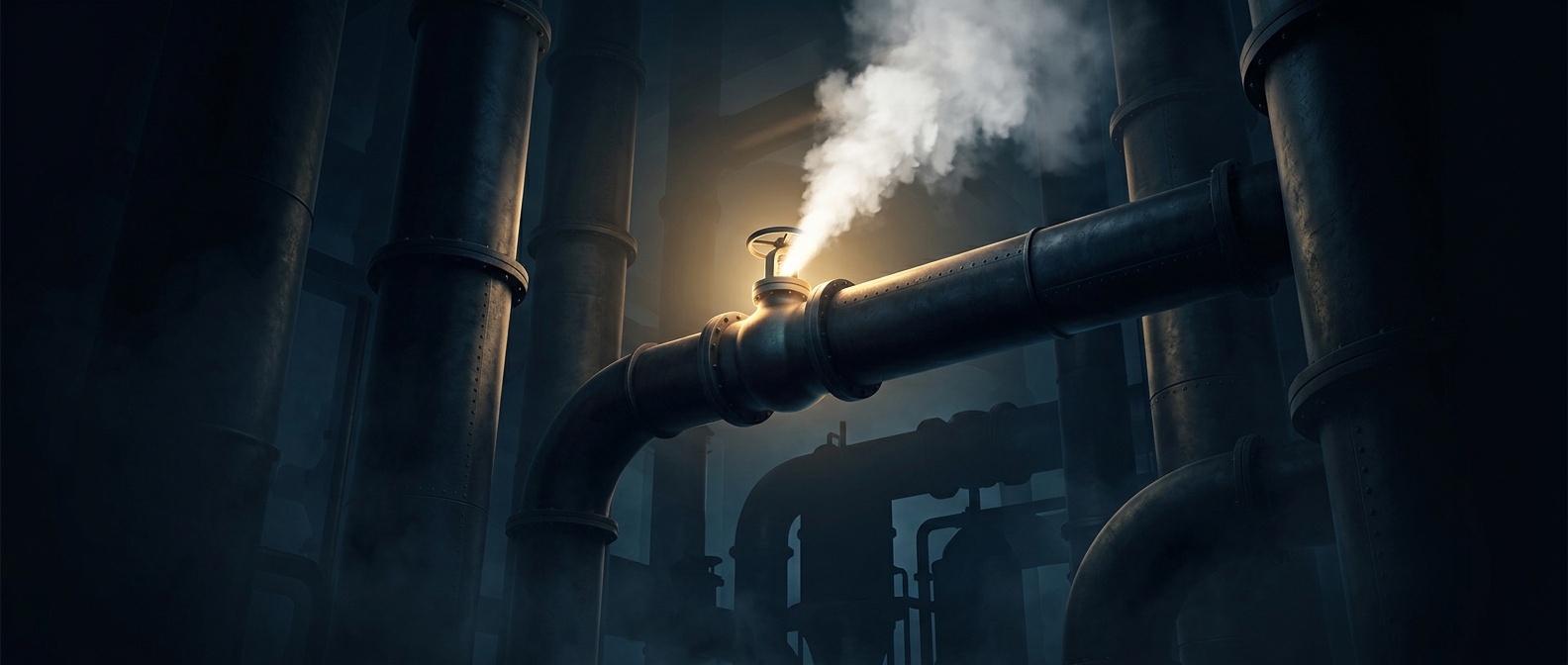
Inside a typical spring-loaded safety valve, steam pushes against a small disc. The disc is held shut by a spring; as pressure climbs, the steam’s force climbs too. Once that force exceeds the spring’s resistance, the disc lifts and opens a path out of the system. The valve is set to open at a specified pressure, before the pipes or connected equipment reach a damaging load.
Relief Is a Designed Part of the System
The opening gives steam somewhere to go, reducing pressure in the pipework. The valve may close again after pressure falls, though the exact opening and closing behavior depends on its design. It is not meant to regulate everyday flow like a control valve: it is a protective backup for conditions the system should not normally reach.
Because escaping steam is hot and can cause severe burns, the discharge is often directed away from people and equipment, sometimes through a pipe to a safer location. That route must also allow steam to escape freely; blocking or undersizing it can undermine the valve’s protection. The crucial safety feature is therefore not just a valve that opens, but a clear path for pressure to leave.