How an apron weakens an X-ray beam
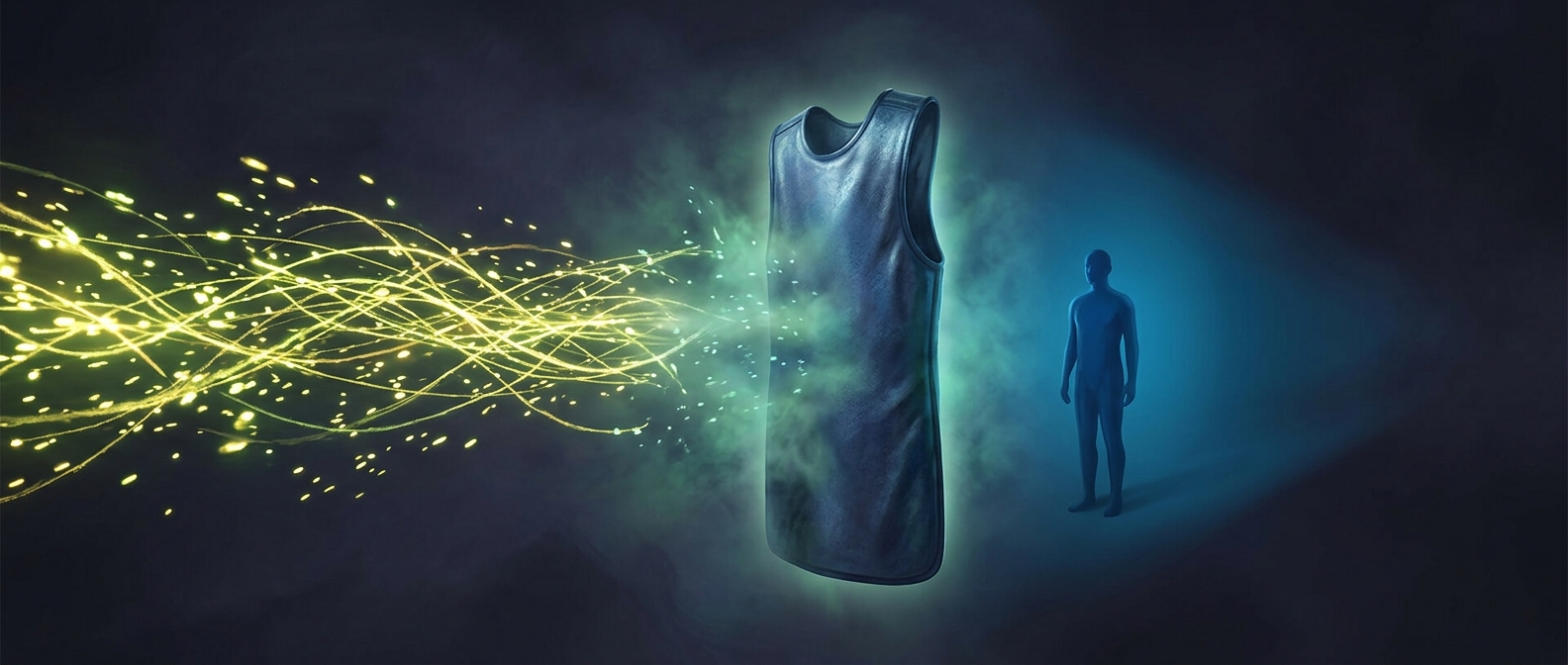
X-rays carry energy through the body, and some pass through to make the image. Others interact with tissue and change direction; this scattered radiation can reach people nearby. Lead’s atoms are especially effective at intercepting X-rays: the radiation may be absorbed, transferring its energy to the material, or scattered away from its original path. Either way, less of it continues toward the body behind the apron.
The apron does not switch radiation off. It reduces the amount that gets through, and its effectiveness depends on the X-rays’ energy, the shielding’s thickness, and which parts of the body it covers. An uncovered area remains unprotected.
Protection depends on where the apron is
In a procedure, the useful question is often not simply whether an apron is present, but whether it sits between a person and the radiation reaching them. For staff near an X-ray source, that may mean shielding against radiation scattered from the patient or nearby surfaces. Distance and positioning also matter: an apron is one layer of protection, not a substitute for keeping out of the beam’s path.
Because lead is so dense, enough of it to shield a useful area makes an apron cumbersome. That weight is the physical cost of putting an effective barrier close to the body—and a reminder that shielding works best when it covers the right place.