Why “being thrown clear” sounded safer
In a sudden crash, the car stops before the people inside do. An unbelted passenger keeps moving at the car’s previous speed until something stops them: the dashboard, a window, the road, or another object. The idea of being thrown clear offered an appealing alternative—escape the wreck instead of being trapped inside it.
But leaving the vehicle is not a controlled escape. A person ejected from a car can strike the vehicle, the ground, or nearby obstacles, and has no protection from the forces that follow. The apparent freedom to move can mean an uncontrolled collision with something far less forgiving than the seat and belt.
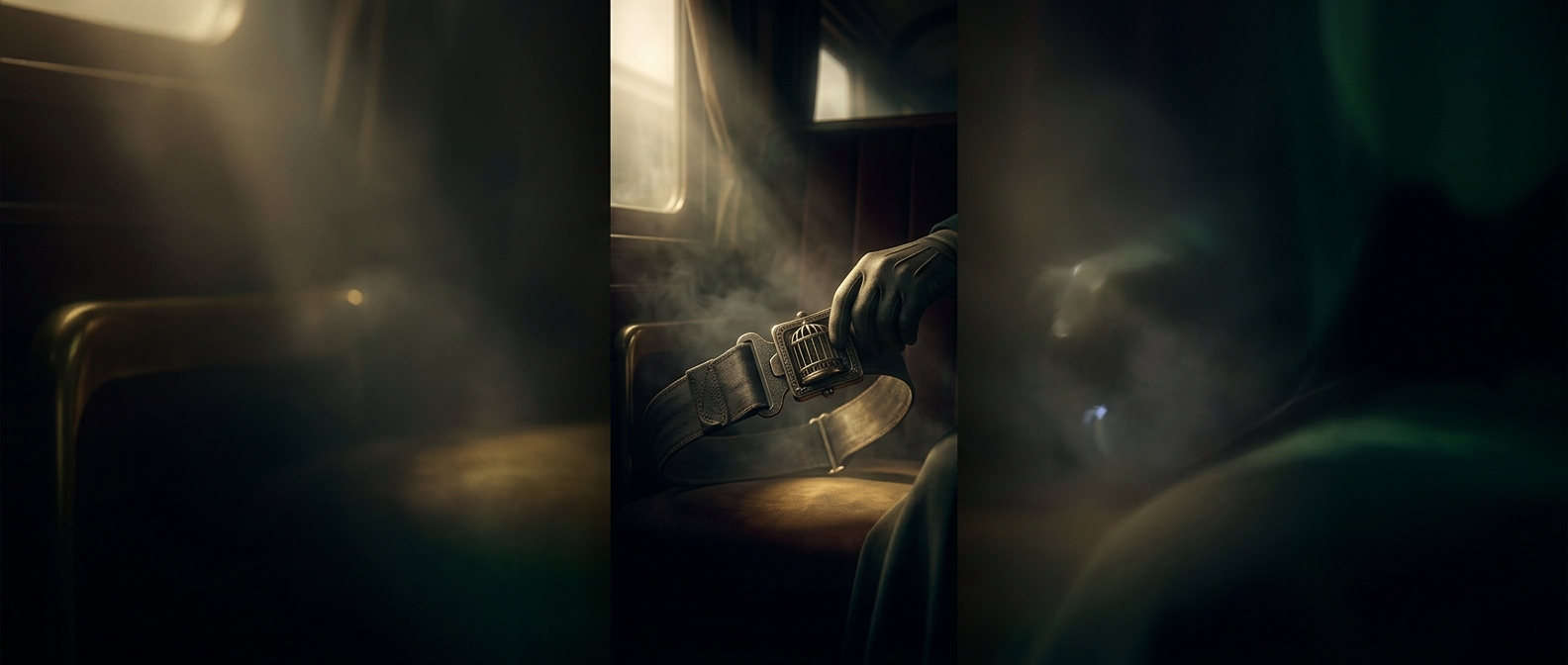
What a belt changes
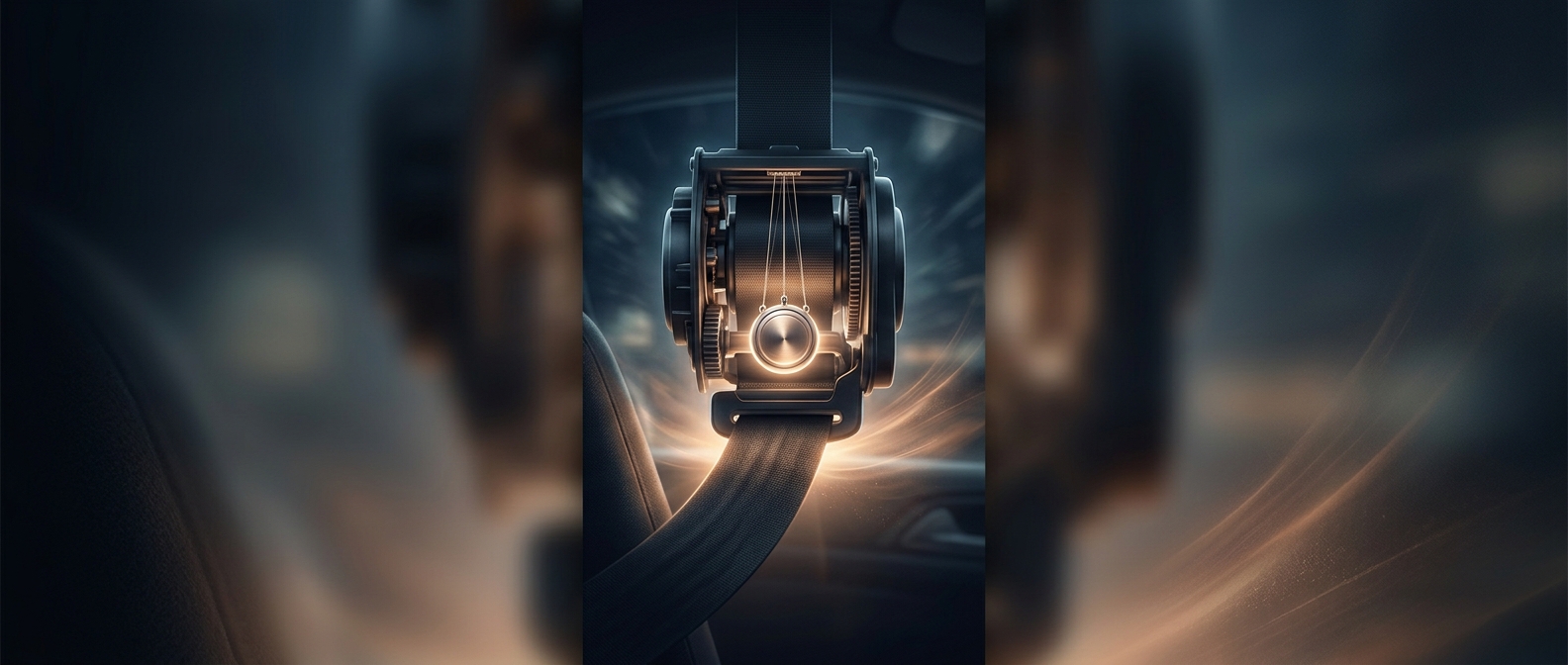
A seatbelt holds the occupant in the passenger compartment and spreads the stopping force across stronger parts of the body, chiefly the pelvis and chest. It does not make a crash harmless; it changes how the body comes to a stop. Staying in place also helps keep a person from being thrown into the steering wheel, dashboard, or other occupants.
That difference was not always intuitive. A restraint can feel like an added hazard because it limits movement precisely when people imagine they might need to escape. Yet in a crash, the motion is already being dictated by the car’s abrupt stop. The belt’s role is to manage that motion, not to trap someone in a vehicle that is still moving normally.
The mistaken intuition turned a seatbelt’s most important function—keeping a person inside and slowing them with the car—into a supposed danger. In a crash, “clear of the wreck” does not mean clear of the forces that caused it.