Technology
Discover facts about technology. Small discoveries that change the way you see familiar things.
Technology

Ultraviolet light solidifies tooth resin instantly
The dentist packs the cavity with soft composite resin, then uses intense blue or UV light to trigger chemicals that harden it into a durable filling.
Discover more
The shine on some candies comes from palm leaves
Carnauba wax is collected from Brazilian palm leaves and used as a thin glazing layer on some sweets. It helps keep pieces from sticking and gives them a…
Discover more
How brewed coffee becomes instant crystals
The brewed liquid is frozen, then placed in a vacuum, where the ice turns straight into vapor without melting. What's left is dry coffee crystals.
Discover more
Lead aprons block ionizing medical radiation
Lead is dense, so it absorbs and scatters X-rays before as much radiation reaches the body beneath the apron. That protection comes with a trade-off: the vest…
Discover more
Why seedless watermelons can't reproduce
Growers treat seedlings with colchicine to produce plants with doubled chromosomes; crossing those with ordinary plants yields sterile offspring with an odd…
Discover more
Milk protein can be made without milking an animal
Precision fermentation programs microbes to produce dairy proteins, which are then separated for food production. Removing the cow does not remove the…
Discover more STACKY FOR IPHONE
A bigger world.
One discovery
at a time.
Keep discovering with Stacky. Interesting facts in an app that is always within reach.

Why observatories fire lasers into the sky
A laser creates an artificial guide star in the atmosphere's sodium layer. Astronomers use it to adjust a specialized mirror and compensate for the blur that…
Discover more
The soy-root molecule that makes vegan burgers “bleed”
The “bleeding” effect in some vegan burgers comes from leghemoglobin, an iron-rich molecule found in soy plant root nodules. It is produced using fermented…
Discover more
Dry cleaning is still washing your clothes
“Dry” cleaning uses liquid solvent instead of water, often perchloroethylene, to remove oils without shrinking delicate fabrics. The solvent cleans the…
Discover more
What really makes a match ignite
Friction against the striking surface converts a small amount of red phosphorus there into highly reactive white phosphorus, which ignites and lights the…
Discover more
Fish ammonia feeds plants in aquaponic systems
Bacteria convert toxic ammonia in fish waste into nitrates, which are pumped to plant beds as nutrients. The fish supply fertilizer without synthetic inputs.
Discover more
The telescopes that spin liquid mercury
A spinning vat of toxic liquid mercury naturally forms a parabolic reflective surface, avoiding the costly grinding required for giant glass mirrors.
Discover more
The black mold behind soda's citrus tang
Manufacturers make citric acid for soft drinks by feeding sugar to Aspergillus niger, a black mold that produces the acid as it digests the sugar.
Discover more
Epinephrine injections instantly constrict vessels
During anaphylaxis, epinephrine raises blood pressure by constricting blood vessels and helps open the airways by relaxing smooth muscle in the lungs.
Discover more
Enzymes convert corn starch into high fructose syrup
Bacterial enzymes convert glucose derived from corn starch into fructose, producing a sweeter syrup.
Discover more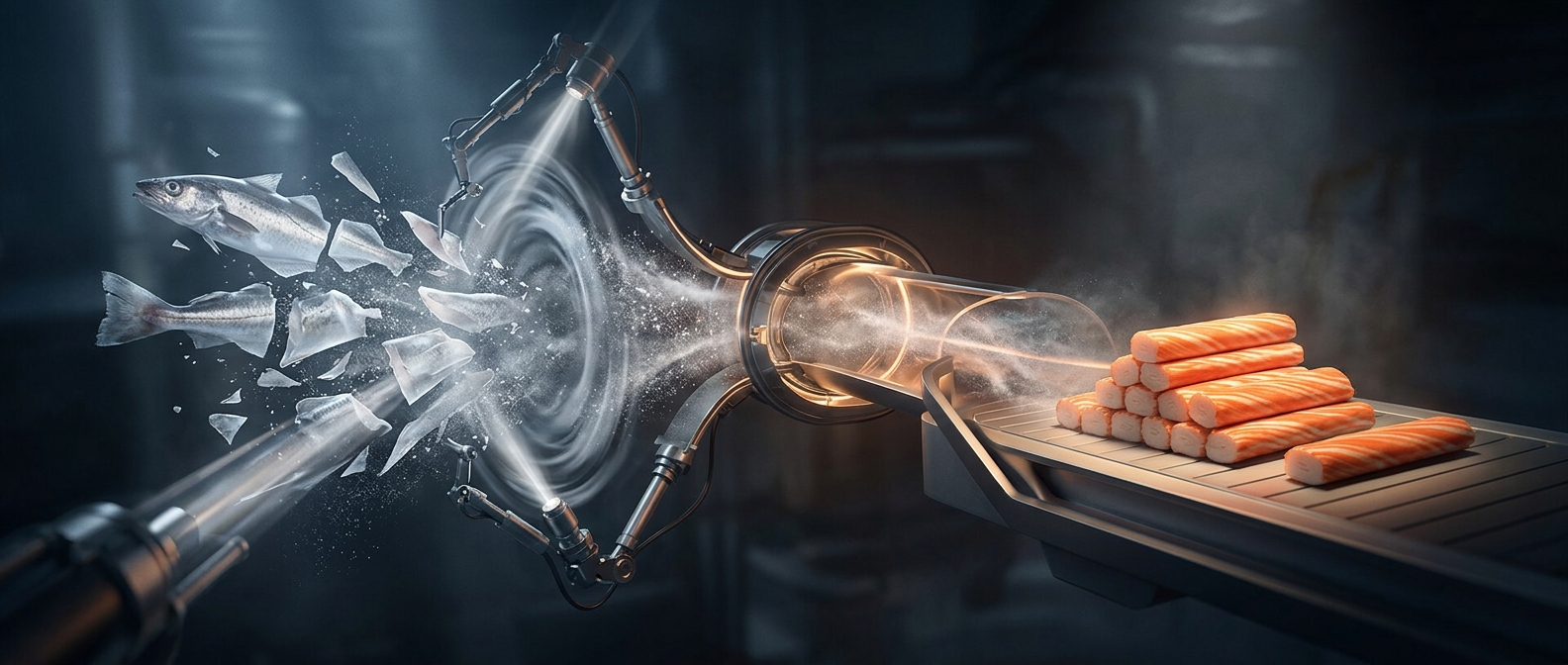
Imitation crab starts as white fish with a makeover
The sushi staple is made from surimi, a paste of washed, ground and frozen white fish such as Alaskan pollock. Flavorings, starch and a red stripe help it…
Discover more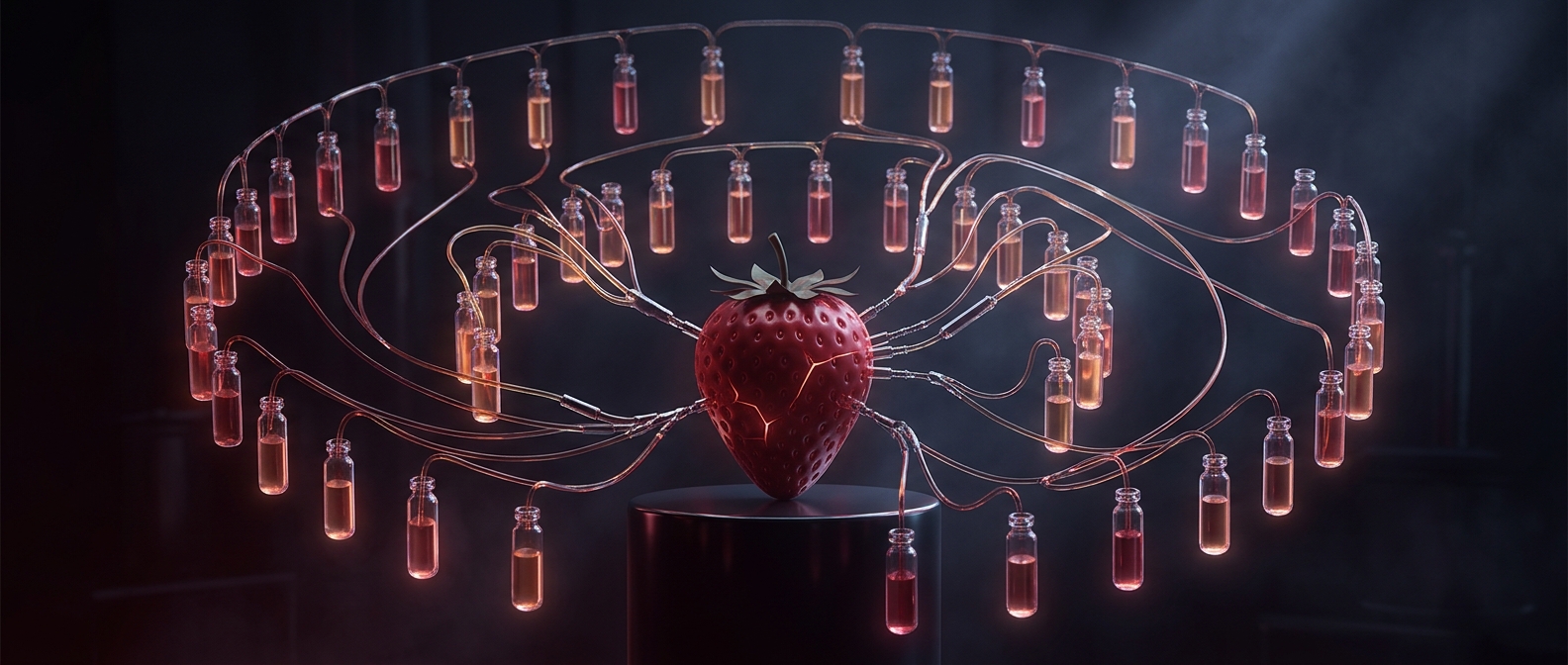
Strawberry flavor is a mixture, not a single strawberry molecule
Different volatile compounds contribute fruity, green, floral, and caramel-like notes, while sugars and acids shape the taste. Change their proportions and…
Discover more
Why mouthwash contains alcohol
In some mouthwashes, alcohol helps dissolve ingredients such as menthol and eucalyptol that don’t mix readily with water. The burn isn’t proof that it’s…
Discover more
Aeroponics grows plants with their roots in midair
The roots hang in a dark chamber and receive a fine mist of water and fertilizer, using far less water than traditional farming.
Discover more
Scientists made ordinary plants glow
Researchers have engineered plants to glow by adding bioluminescent genes from fireflies and mushrooms. The modified leaves emit a faint light in the dark.
Discover more
Why chemotherapy also attacks healthy cells
Many chemotherapy drugs target rapidly dividing cells, so they can also damage healthy cells that renew quickly, including hair follicles and the digestive…
Discover more
Zinc oxide physically blocks solar radiation
Zinc oxide forms a layer on the skin that helps block UV radiation rather than being absorbed like some sunscreen ingredients.
Discover more
Genetically modified crops survive toxic herbicides
Some engineered soybeans and corn are designed to tolerate specific herbicides, letting farmers kill weeds without killing the crop.
Discover more
How cherries become those unnaturally red toppings
The cherries are first soaked in calcium chloride and sulfur dioxide brine, which strips their natural color and flavor. Corn syrup and red dye then give them…
Discover more