Why the Match Lights Only on the Box
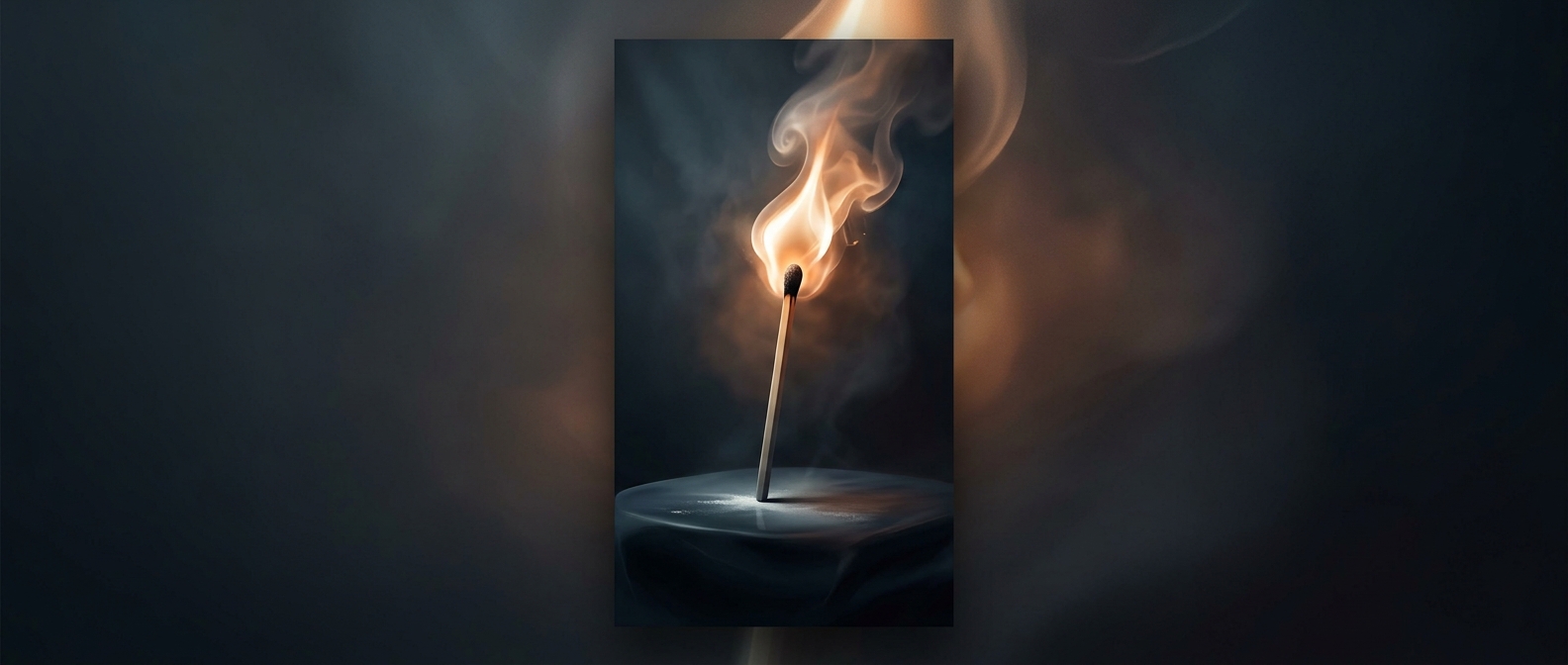
A safety match keeps its most reactive ingredients apart until the instant you strike it. The match head contains fuel and an oxidizer—a substance that supplies oxygen for burning—while the rough strip on the box contains red phosphorus. Keeping these components separate makes the match much less likely to ignite from an accidental bump or scrape.
Friction Starts a Small Reaction
Dragging the head across the strip creates heat at the contact points. That heat ignites red phosphorus on the striking surface. The resulting hot reaction then ignites chemicals in the match head, including its fuel and oxidizer. Their reaction produces the larger flame that catches the matchstick.
This is a chain of handoffs: friction heats the striking surface; the surface starts the match head; the head lights the stick. The phosphorus is not simply a spark-maker added to the wood. Its placement on the box is part of the match’s safety design.
Why the Chemistry Is Divided
Red phosphorus is a more stable form of phosphorus than the highly reactive white form. In ordinary safety-match lighting, the useful explanation is that friction ignites the red phosphorus and starts the match-head reaction—not that the surface must first turn it into white phosphorus. Separating the red phosphorus from the match head’s oxidizer lets the match wait for the specific combination of heat and contact that striking provides.
That division is why a safety match generally needs its own striking strip: the box supplies one ingredient the head deliberately lacks, and the scrape brings the two parts together just long enough to start a flame.