Why barium makes the esophagus visible
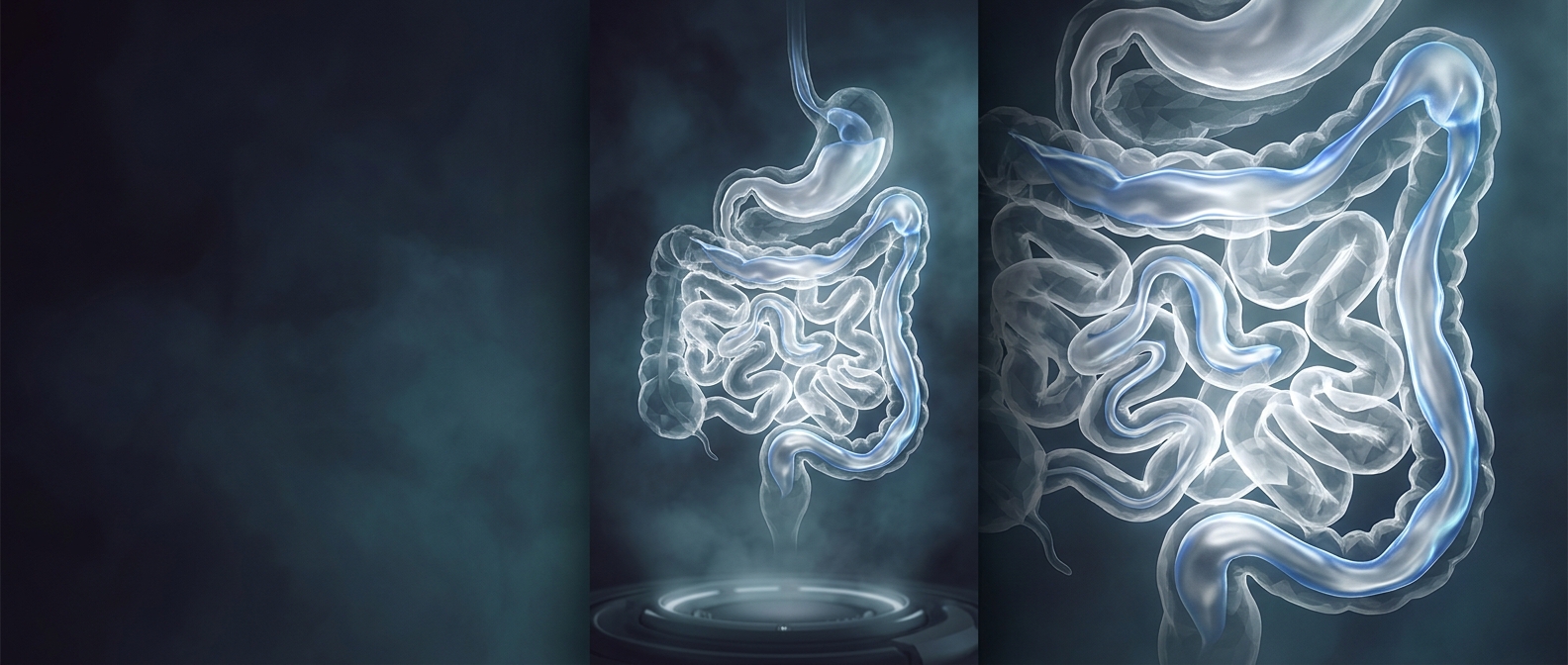
An ordinary X-ray can pass through many soft tissues with little contrast between them. Barium sulfate changes that: it is dense enough to block more X-rays, so the drink appears bright on the image. As it moves down the esophagus, a thin coating outlines the inner surface, making the passage’s shape easier to see.
Doctors can look for a narrowed section, such as a stricture, or other changes in the esophagus’s outline. The contrast comes from the barium lining the passage—not from the drink being absorbed into the body.
Following the swallow
In a barium swallow, X-ray imaging can capture the contrast as a person swallows and it travels toward the stomach. This lets clinicians examine not just a still outline, but how the passage looks during movement. A narrowing that might be hard to distinguish in an unenhanced image can stand out where the bright barium column becomes constricted.
Because barium sulfate stays in the digestive tract rather than entering the bloodstream, it eventually leaves the body in a bowel movement. The useful trick is simple: the drink temporarily turns the inside of the esophagus into a visible outline on an X-ray.