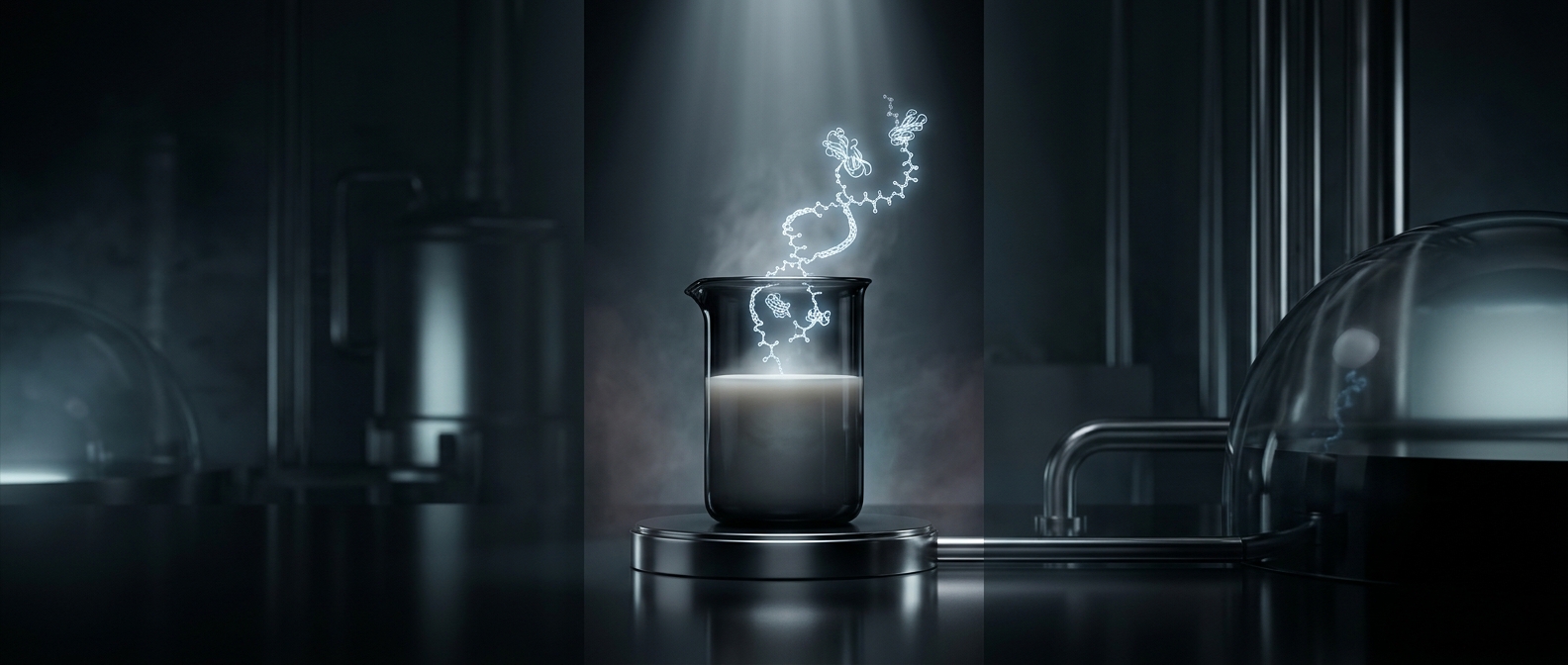
How a mold turns sugar into a useful acid
Inside a production tank, Aspergillus niger grows through a sugar-rich liquid and releases citric acid into it. The fungus normally uses sugar to power growth, but industrial conditions steer much of its metabolism toward making and exporting citrate—the chemical form of citric acid found in the liquid. Careful control of nutrients, acidity, temperature, and airflow helps keep that conversion productive.
This is fermentation: microbes transform raw materials into a desired product. The tanks are designed to supply oxygen and keep the mixture moving, since the mold needs air as it grows. Sugar can come from sources such as processed corn or other plant materials, depending on the process.
The fungus is a factory, not an ingredient
Once fermentation is complete, manufacturers remove the fungal growth and other solids, then separate and purify the citric acid from the liquid. The finished ingredient is added to drinks; the mold itself does not go into the soda. The flavor comes from a purified molecule produced by the organism, not from the taste of the mold.
Citric acid gives citrus-flavored drinks their familiar sharpness, but it also helps control acidity and can contribute to keeping a product stable. Using fermentation makes it possible to produce this widely used ingredient in large quantities without extracting it from citrus fruit. A lemon’s tang and a soda’s tang can therefore come from the same acid, even when only one began in a fruit.