How Yeast Makes Milk Proteins
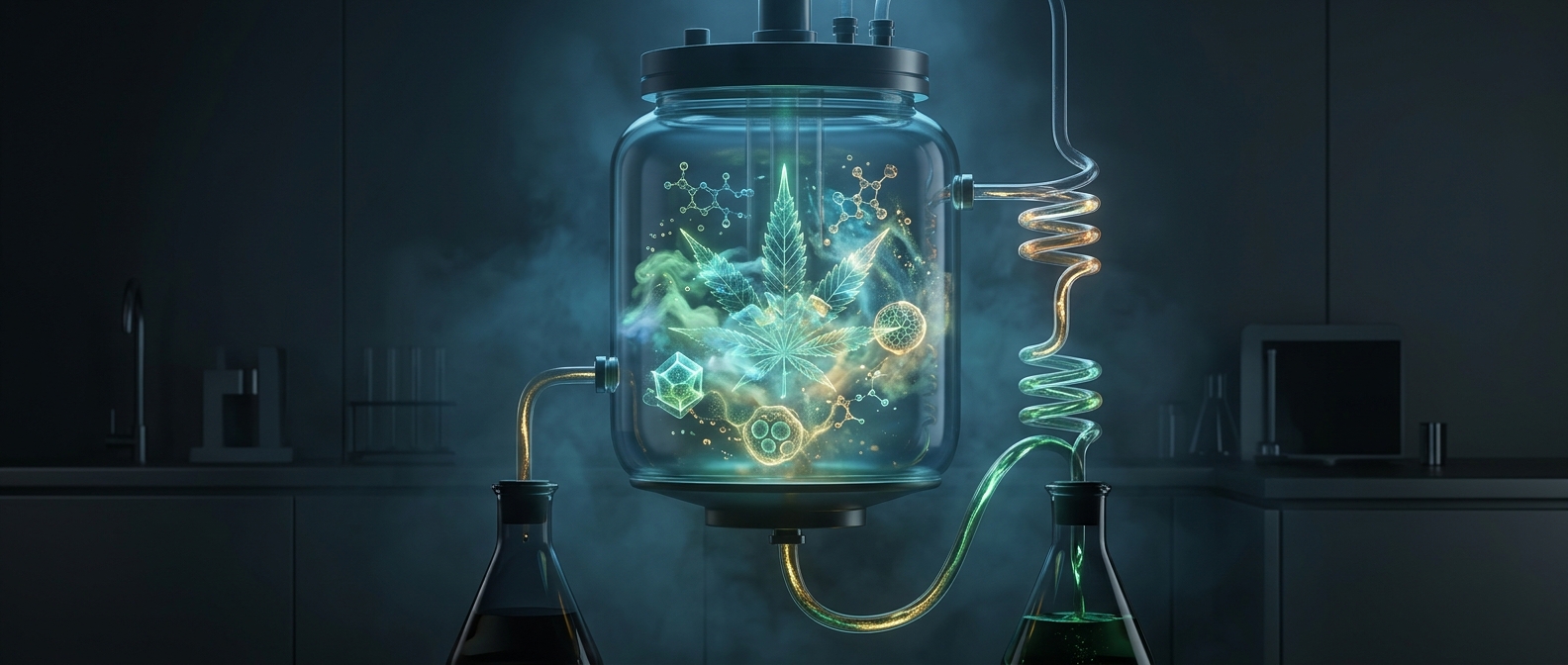
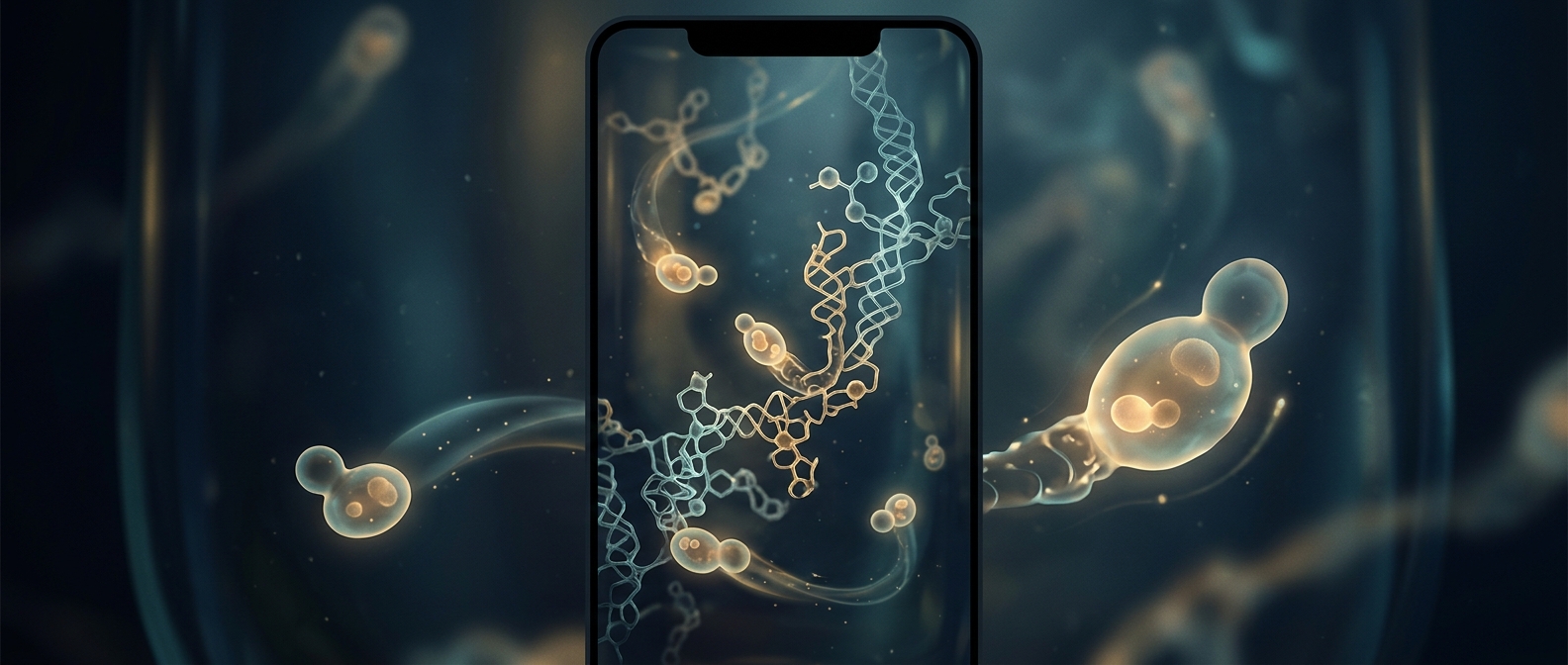
Yeast does not turn into milk. In precision fermentation, scientists give selected yeast cells genetic instructions for making a particular milk protein, such as whey or casein. The yeast then acts as a tiny production system: as it grows in a fermentation tank, it reads those instructions and builds the protein.
The process resembles brewing in its use of microbes and controlled tanks, but the intended product is different. Instead of relying on yeast to make alcohol or flavor compounds, manufacturers cultivate it to produce a specific ingredient. After fermentation, they separate the protein from the yeast cells and purify it.
Why the Protein Matters for Cheese
Cheese’s behavior depends partly on its proteins. Casein helps form the structure of many cheeses, while whey proteins contribute other functional properties. When proteins made through fermentation match the relevant milk proteins, food makers can use them in recipes designed to reproduce familiar qualities, including how cheese melts. The result depends on the protein and the rest of the formulation—not on yeast alone.
This gives manufacturers a way to make dairy proteins without getting them from an animal. It also separates the production of a milk protein from the production of milk itself: the yeast supplies the protein, while other ingredients must provide the remaining parts of a cheese recipe.The key change is where the protein is made: inside a fermentation tank rather than in an animal.