A software ceiling keeps drones in the lower airspace
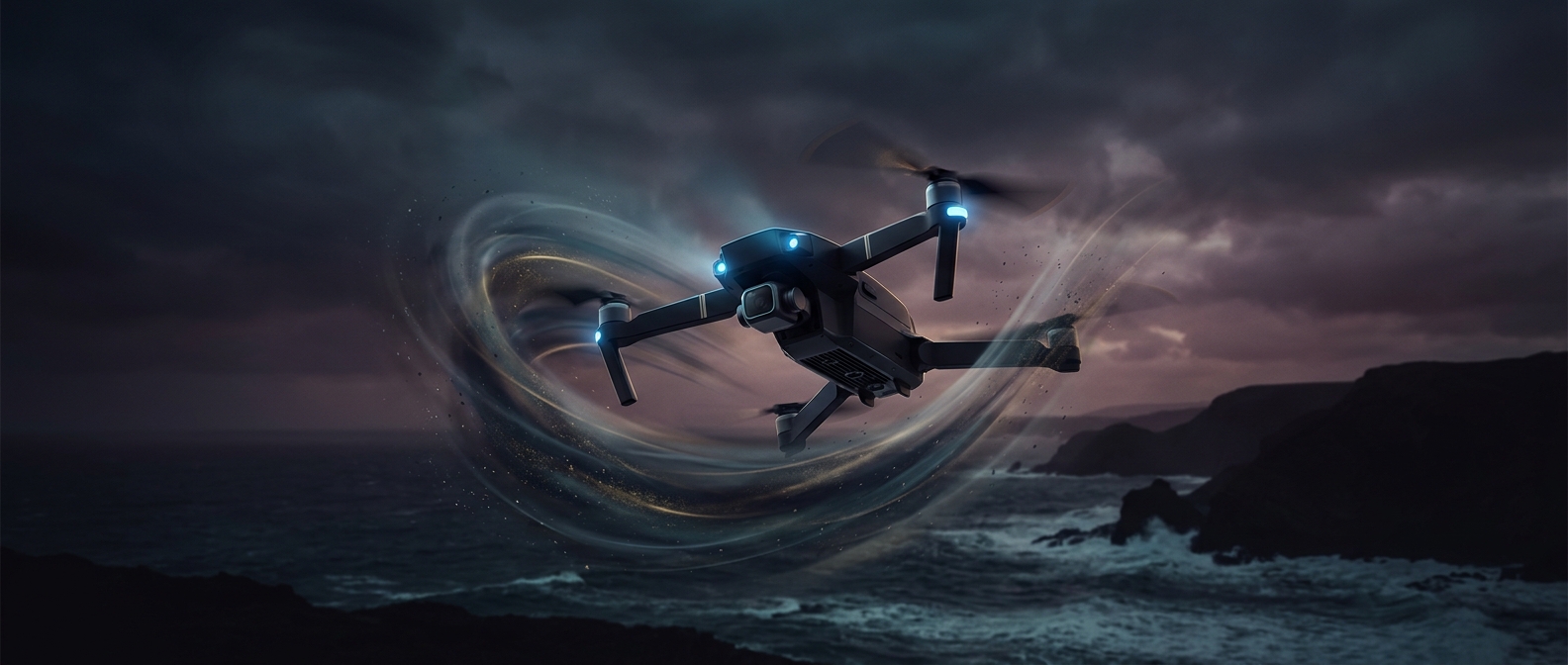
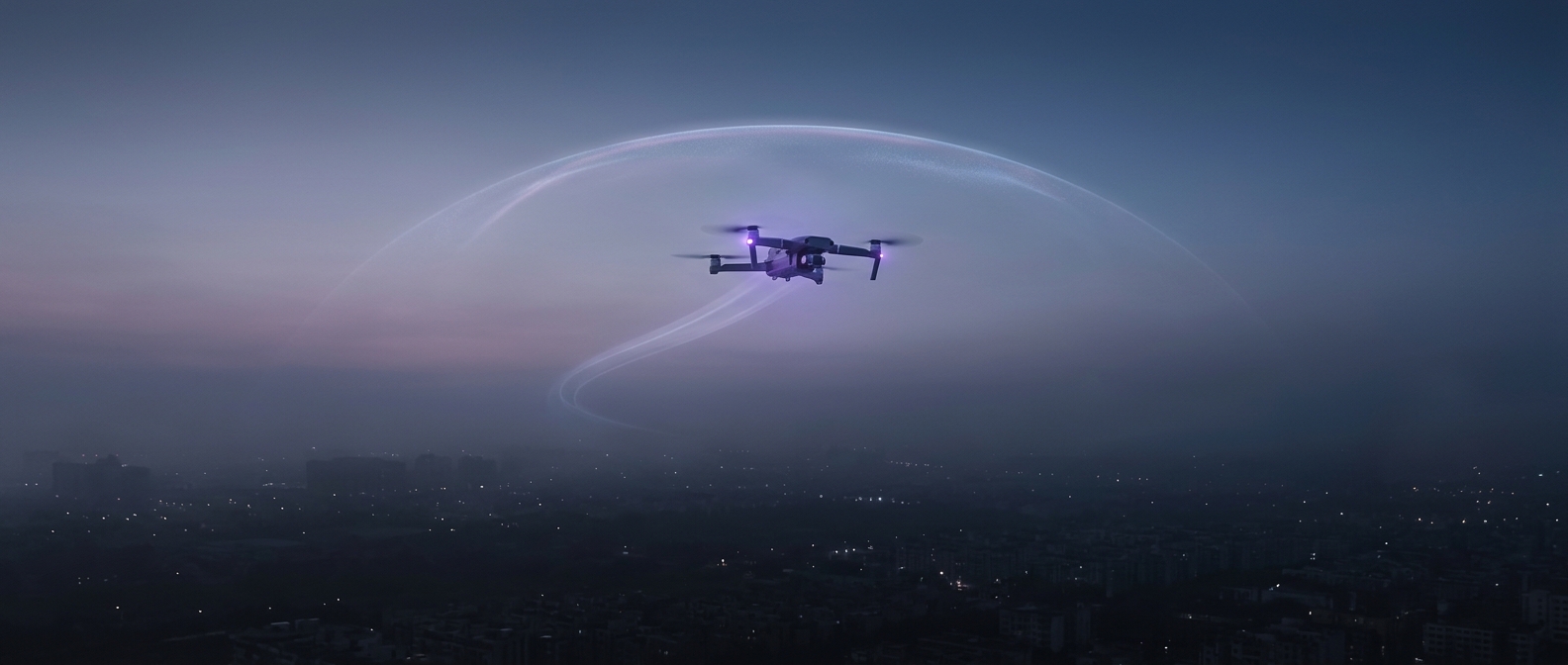
A consumer drone does not simply climb until its battery runs low. Its flight software tracks altitude and can stop the motors from gaining more height once the aircraft reaches a preset ceiling—often a few hundred feet. The limit is a guardrail built into the control system, not a physical barrier: it helps keep casual flights away from airspace used by larger aircraft.
The software estimates height using onboard sensors and positioning data, then compares that estimate with the allowed maximum. As the drone approaches the ceiling, it may refuse further upward commands while still letting the pilot descend or move sideways. Exact behavior varies by model and location.
Why a few hundred feet matters
Commercial airliners normally cruise far above drones, but aircraft also use lower altitudes when taking off, landing, or operating near airports. Helicopters and other small aircraft may be low as well. A drone can be difficult for a pilot to spot, so keeping it in a bounded band reduces the chance of an encounter rather than relying on the drone operator to judge where other aircraft might be.
The ceiling also reflects a broader design choice: a small aircraft’s controls should make the safer option the easy default. The restriction is a buffer, not a guarantee of safety—pilots still need to follow local airspace rules and watch for nearby aircraft.