A machine that put the writer between thought and paper
For someone who could not see the page, writing a private letter posed a practical problem: dictation made another person part of the act. A machine could change that relationship by turning a writer’s deliberate input into visible marks on paper, without requiring the writer to read each line as it appeared.
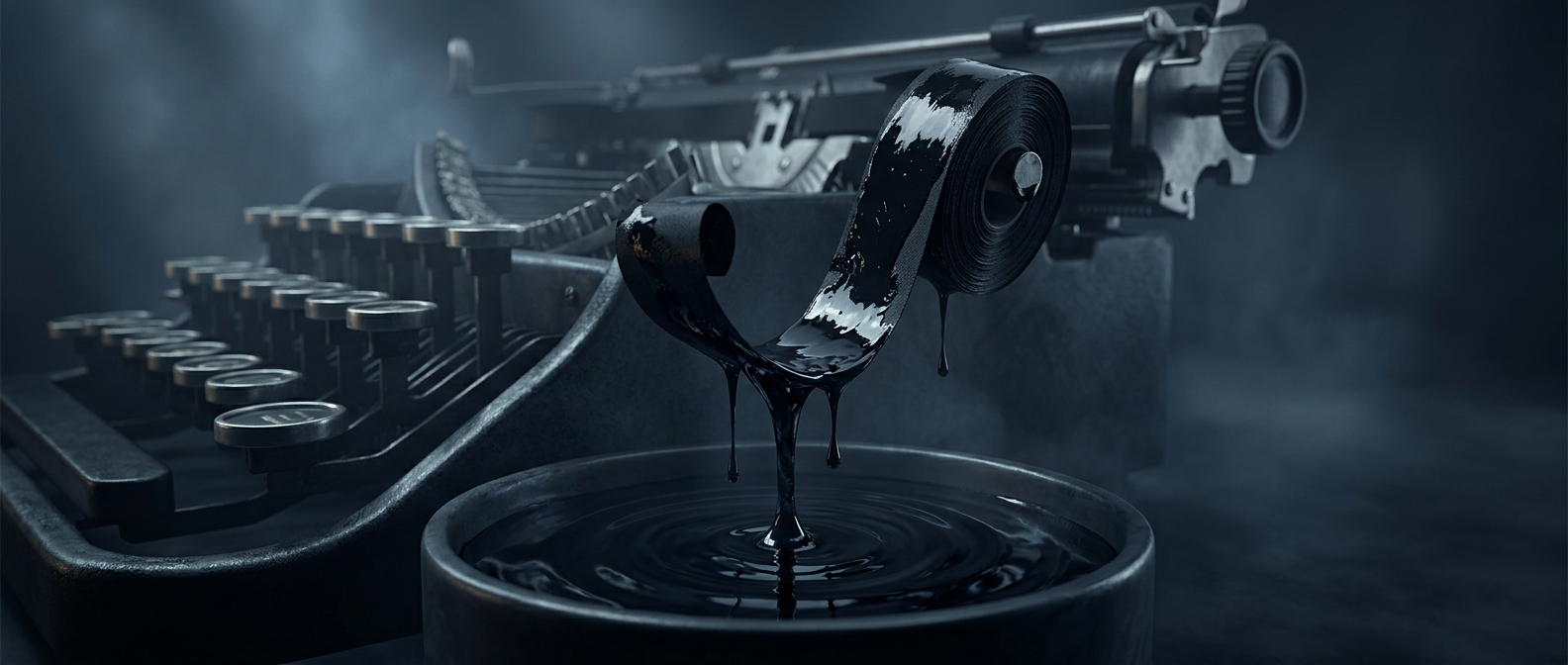
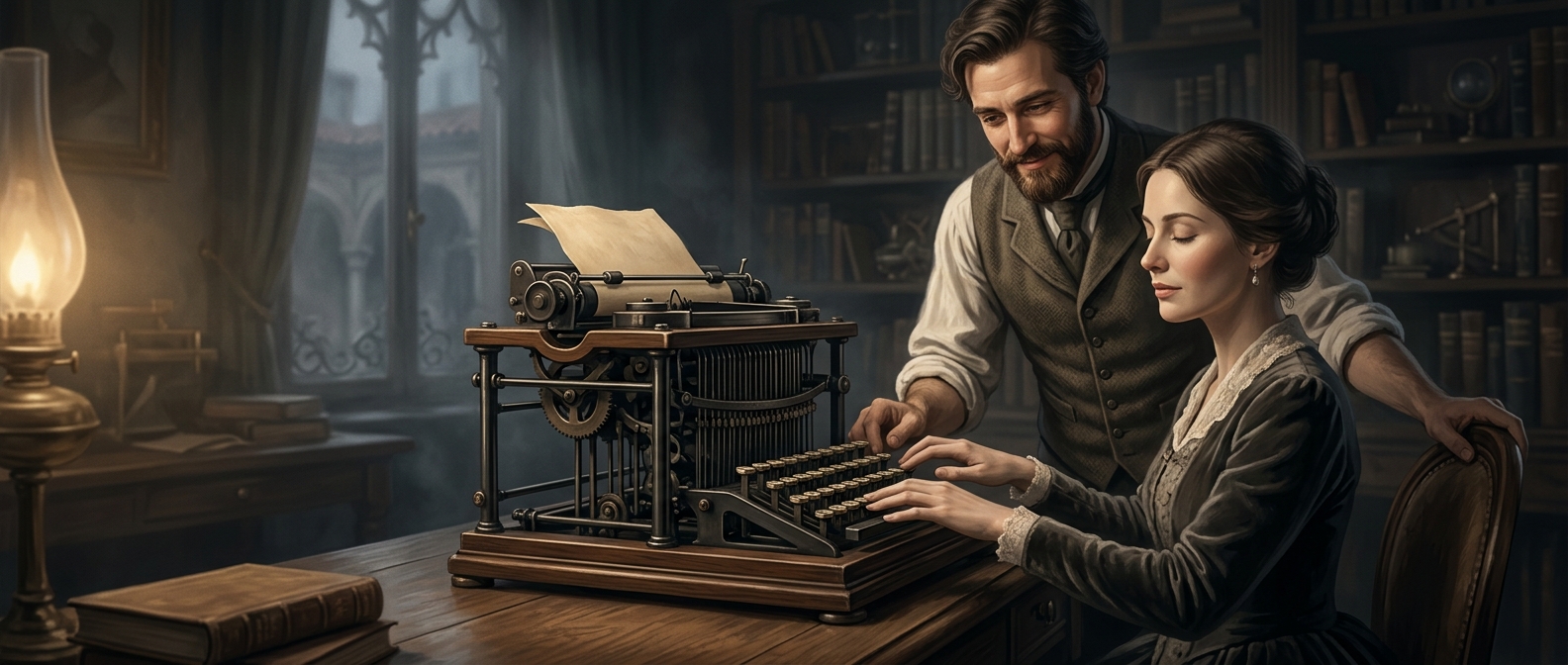
Pellegrino Turri’s early-1800s device was an ancestor of the typewriter, not a modern keyboard in miniature. Its significance lies in the basic engineering idea: give the user a way to select characters mechanically and have the machine transfer them to the page. That made written communication possible without handwriting or a reader at the writer’s side.
Privacy was part of the design
Dictating a letter can reveal more than its words. The person taking it may hear names, plans, complaints, or intimate feelings—and may need to handle the finished page. Turri’s machine offered Countess Carolina Fantoni da Fivizzano a more direct route from thought to text. She could compose without having to speak the contents aloud to a secretary.
The device did not make writing effortless: using a new machine still meant learning how to operate it, and the surviving account does not establish every detail of its mechanism. But it shifted an important boundary. The person sending the letter could retain greater control over what was written and who knew it.
That is why this early typewriter matters beyond its place in the history of office equipment. It addressed a human constraint with a mechanical one—and made privacy a practical feature of writing.