A living filter turns fish waste into plant food
Fish release nitrogen-rich waste, and leftover feed adds more as it breaks down. In a crowded tank, ammonia can build up to levels that harm fish. Aquaponics relies on helpful bacteria to transform it rather than letting it accumulate.
These bacteria live on wet surfaces, often in a dedicated biofilter. One group converts ammonia into nitrite; another turns nitrite into nitrate. Nitrite is also harmful to fish, so the process must keep moving. Nitrate is less acutely toxic and can be taken up by plant roots as a source of nitrogen, which plants use to build leaves and other tissues.
The water links two needs
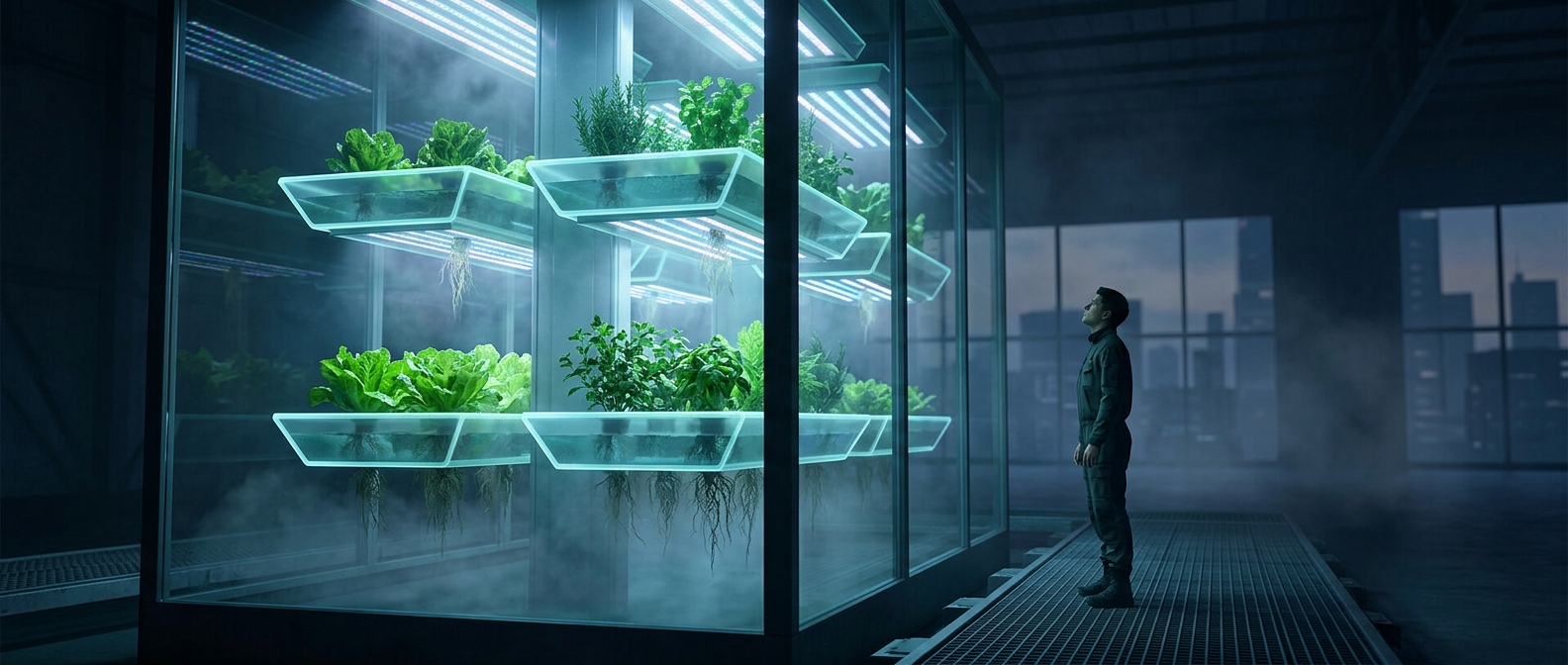
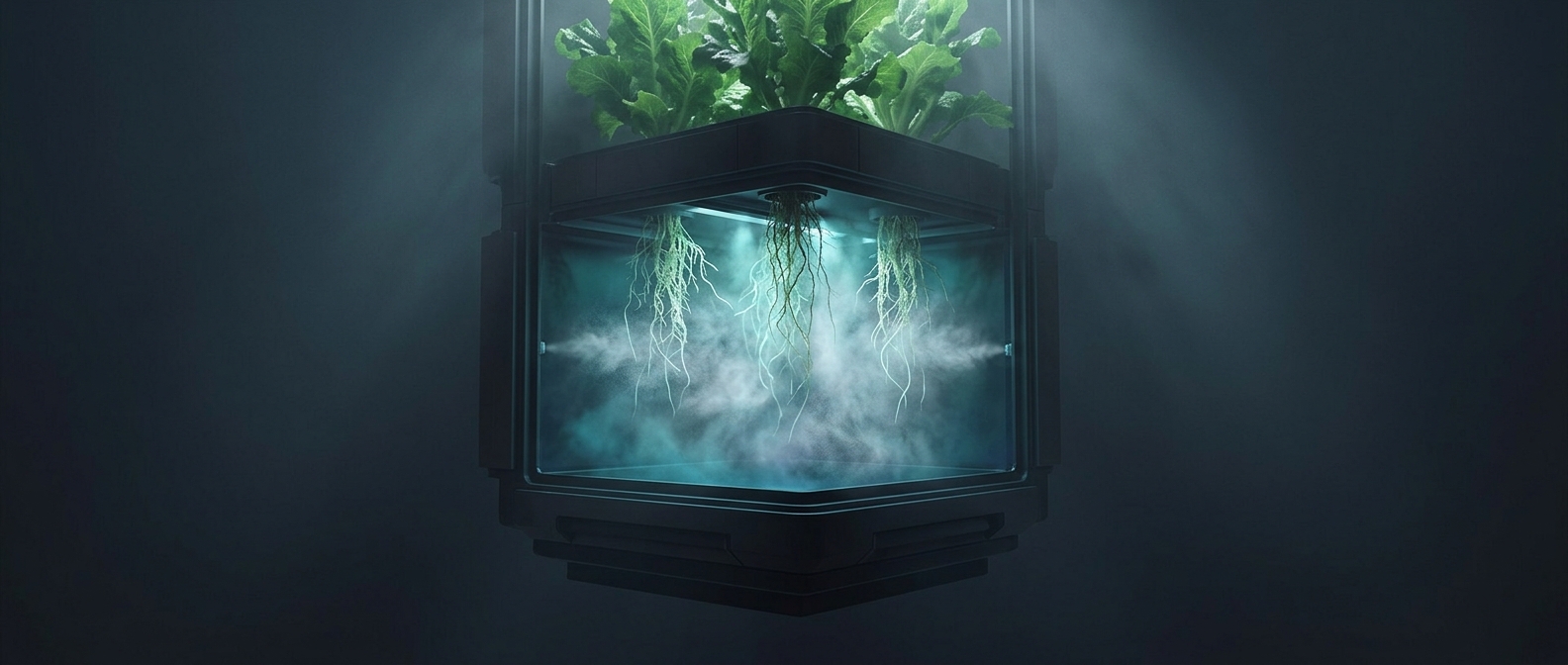
A pump carries nutrient-bearing water to plant beds, where roots meet the dissolved nutrients. The water then returns to the fish tank. The plants remove some waste-derived nutrients, while the bacteria continually process new waste. In this way, the system reuses water and connects fish care with crop growth.
The conversion is biological, not instantaneous: bacteria need time and suitable conditions to establish and keep working. They require oxygen, and changes in water chemistry can slow them. Operators therefore have to balance fish and feed, the capacity of the biofilter, and the amount of plant growth. Too much waste for the filter to process can leave fish exposed to ammonia or nitrite; too little nutrient production may leave plants short of nitrogen.
The key is that the fish do not directly fertilize plants with raw waste. A living community of bacteria makes that waste usable—and helps keep the shared water habitable.