What Soil Normally Does for a Plant
Soil is not the plant’s food. It anchors roots and holds water, air, and dissolved minerals that roots absorb. Hydroponics replaces those jobs with engineered supports and a carefully managed water supply. A plant may sit in an inert material such as rockwool or clay pellets, but that material is not soil and contributes little or no nutrition.
Feeding Roots Without Flooding Them
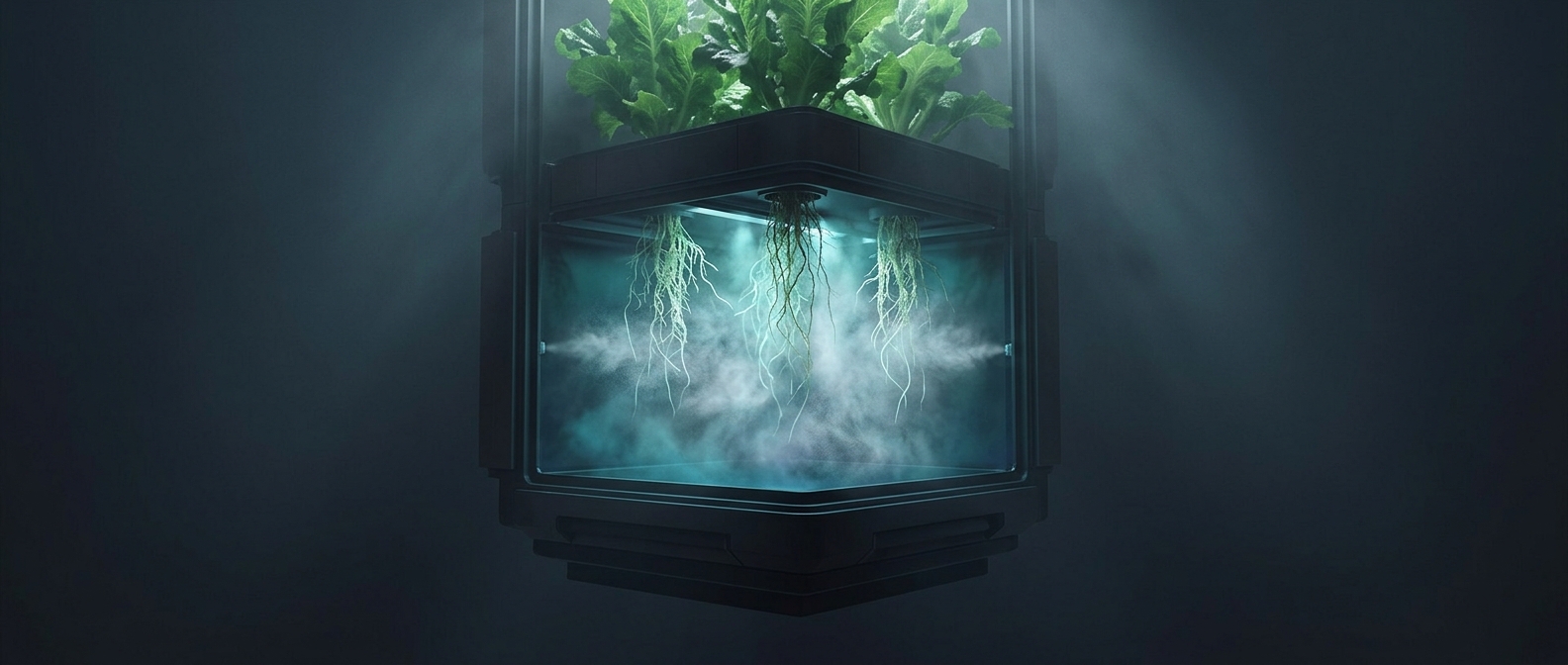
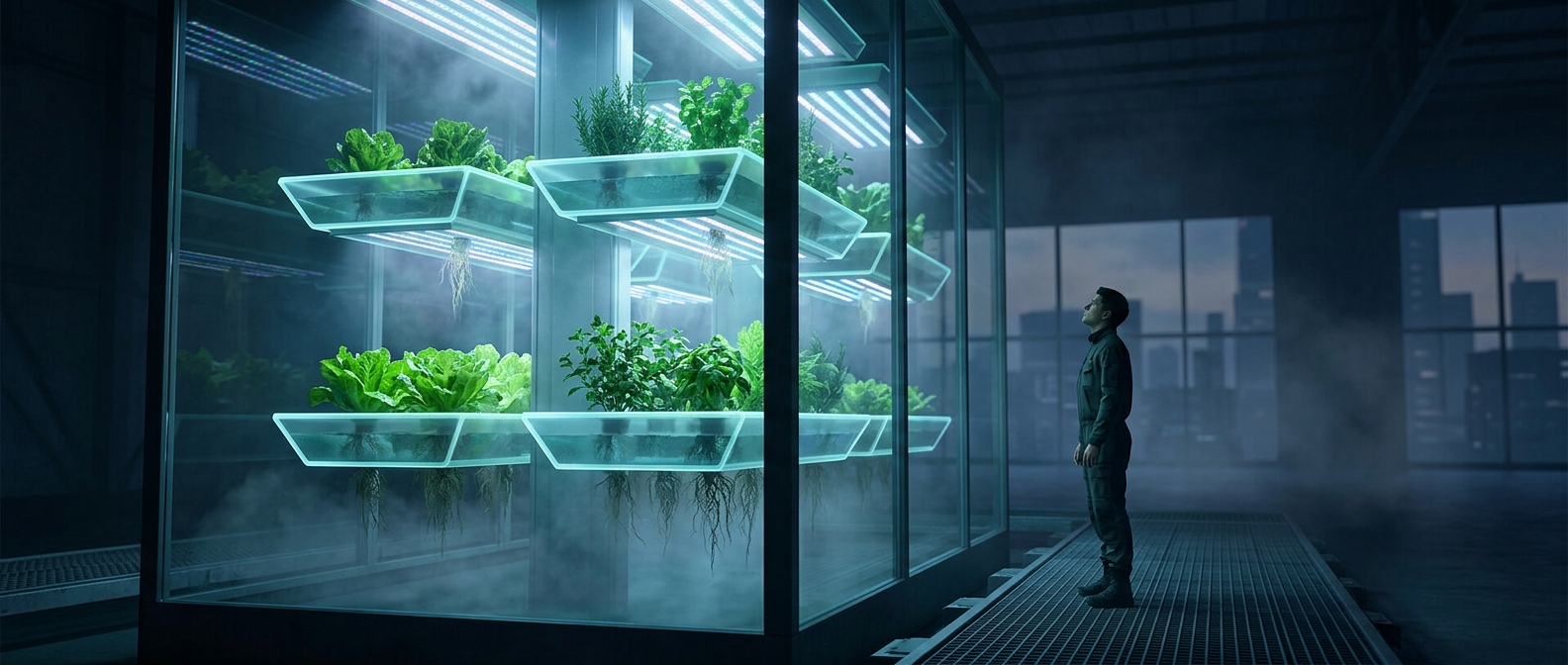
Growers dissolve essential mineral nutrients in water and deliver the solution to the roots. Depending on the design, roots may hang in a flowing channel, rest in a container periodically flooded and drained, or receive a fine spray. The schedule matters: roots need water and minerals, but also oxygen. Keeping them permanently submerged without enough dissolved oxygen can suffocate them.
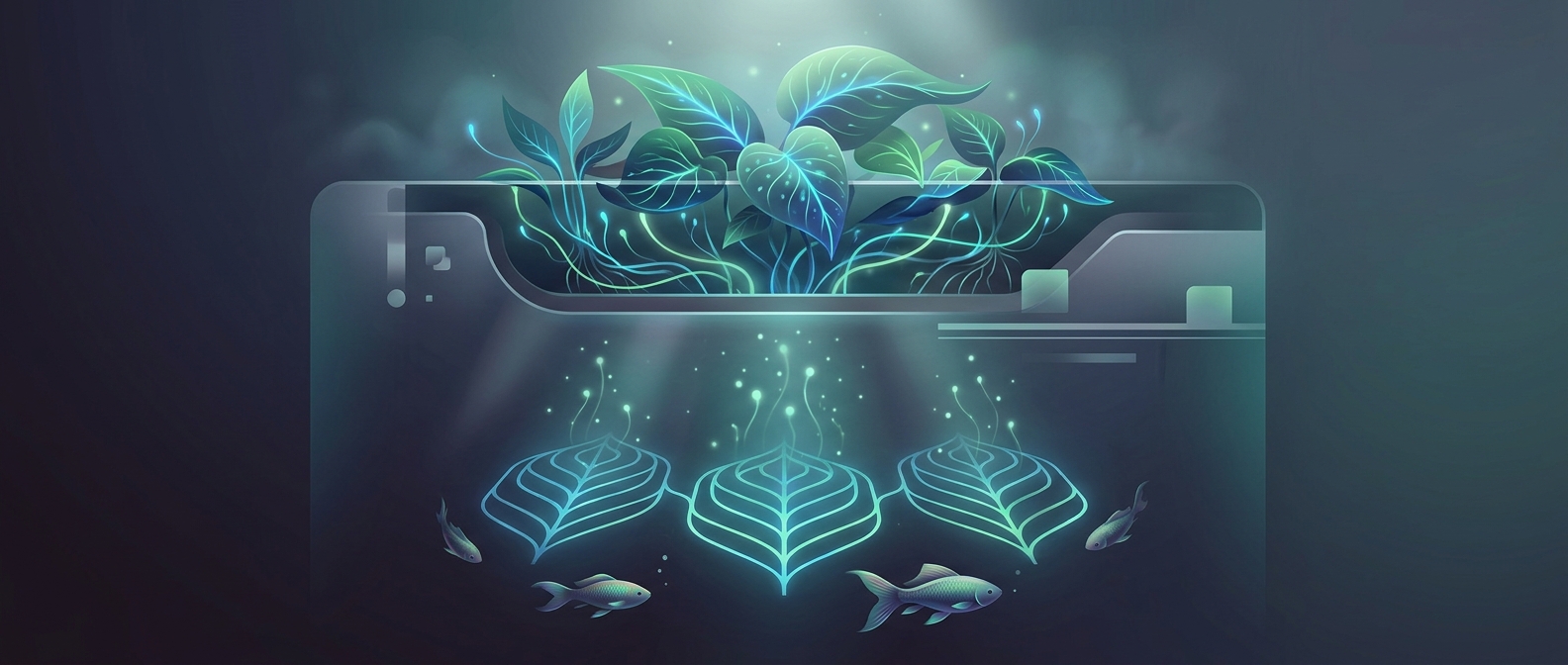
Because the growing solution is the plant’s main supply line, operators monitor its acidity and concentration. If the mixture drifts out of range, roots may struggle to take up particular nutrients even when those nutrients are present. In a recirculating system, the same water can serve many plants, reducing waste—but a root disease can also travel through that shared supply.
A Different Kind of Control
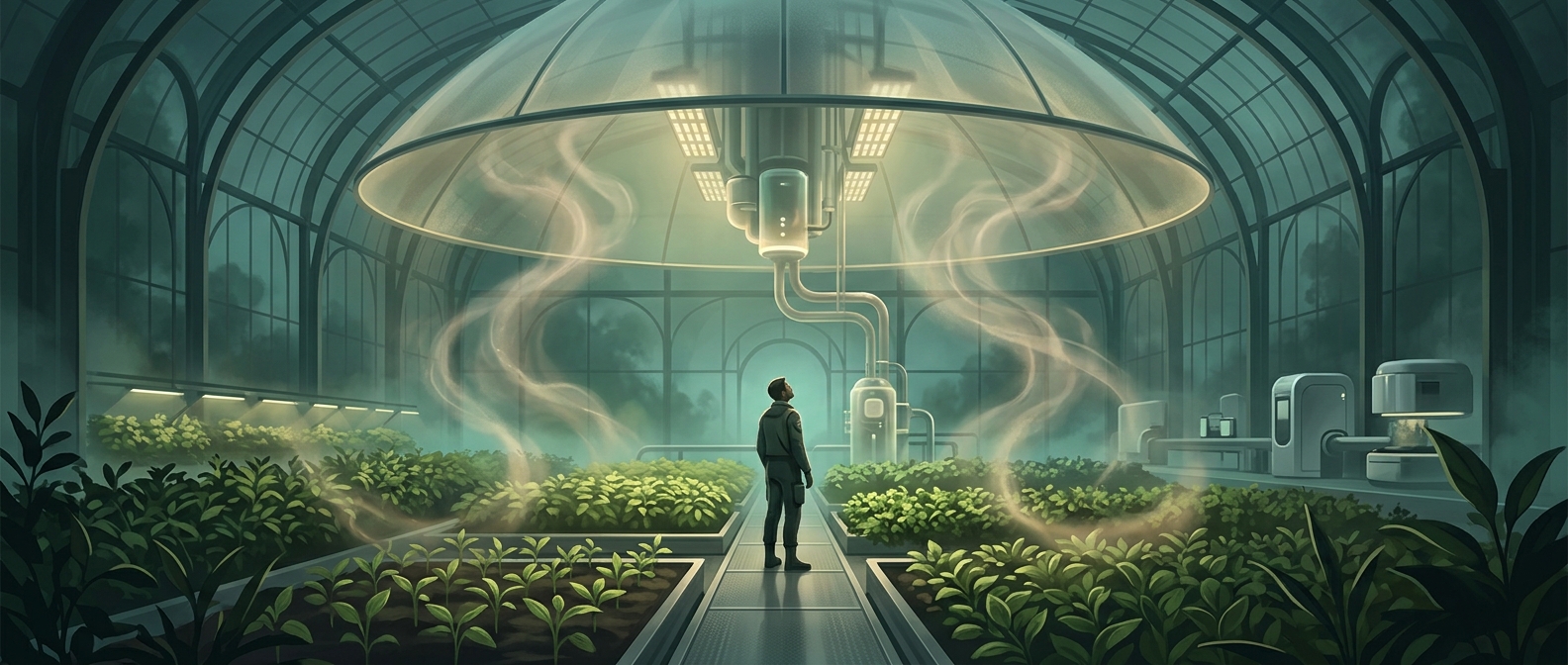
Removing soil makes conditions more adjustable, not effortless. Growers can control what reaches the roots, while pumps, filters, and sensors take over tasks that soil and natural water movement perform less visibly. The key shift is from managing a patch of ground to managing a root-zone system—one that can be precise, but depends on reliable equipment and close attention.