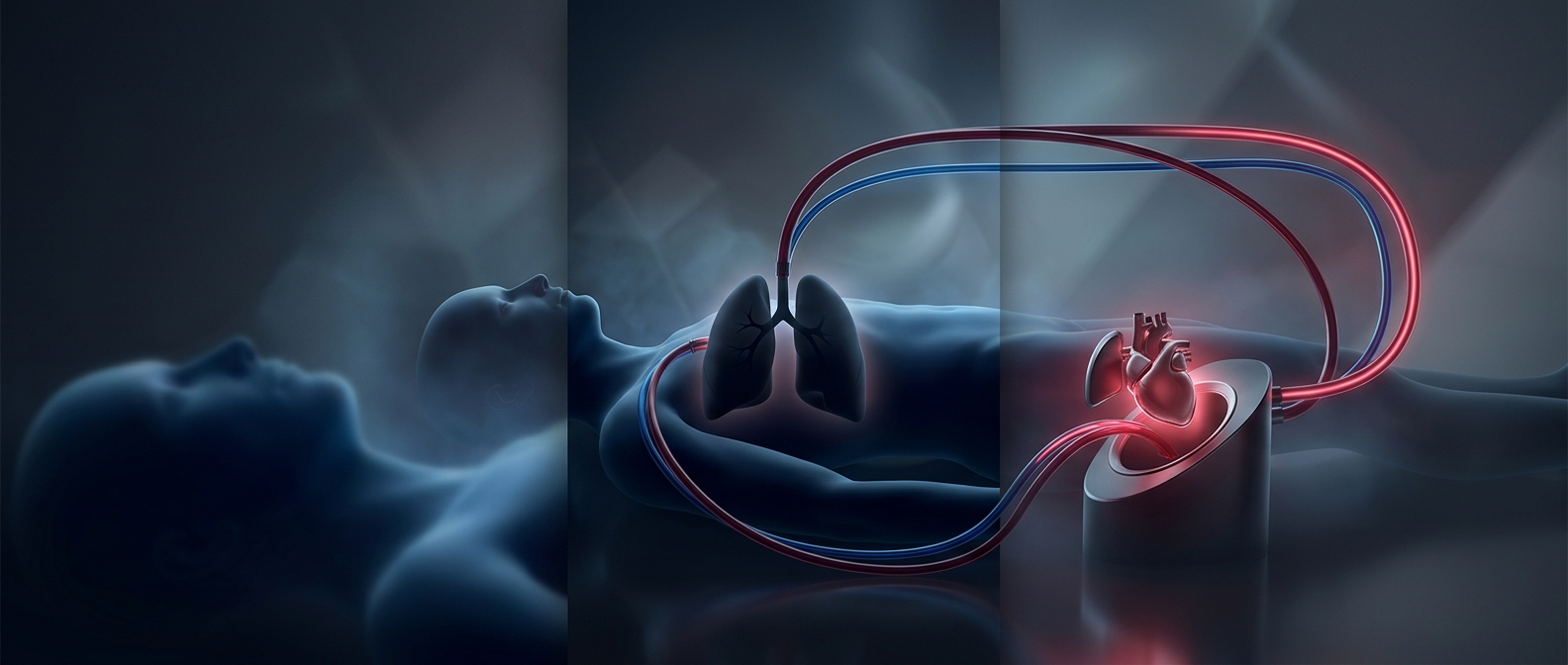
How a Spinning Rotor Can Replace a Beat
A familiar heartbeat is more than blood moving forward. Each contraction of the heart sends a pressure wave through the arteries; that wave is what fingers feel as a pulse. Continuous-flow artificial hearts take a different approach: a motor spins a rotor, whose blades push blood along in a relatively steady stream instead of sending it out in separate bursts.
The rotor does not need to imitate the heart’s squeeze-and-release rhythm to keep blood circulating. It supplies the force that moves blood through the body, carrying oxygen to tissues and returning blood to the lungs for replenishment. The device’s speed and design help maintain that flow, even when there is no strong beat-shaped pressure wave.
Why a Pulse May Be Hard to Find
A pulse is a pressure change, not a direct test of whether blood is moving. With a continuous-flow device, the pressure wave can be so small that a clinician cannot feel it at the wrist. A person may therefore be awake and functioning while appearing pulseless by that ordinary bedside check.
That changes how caregivers assess circulation: they cannot rely on a palpable pulse alone and must use other signs and measurements. The striking tradeoff is that a machine can preserve the essential job of the heartbeat—moving blood—without reproducing its familiar rhythm.